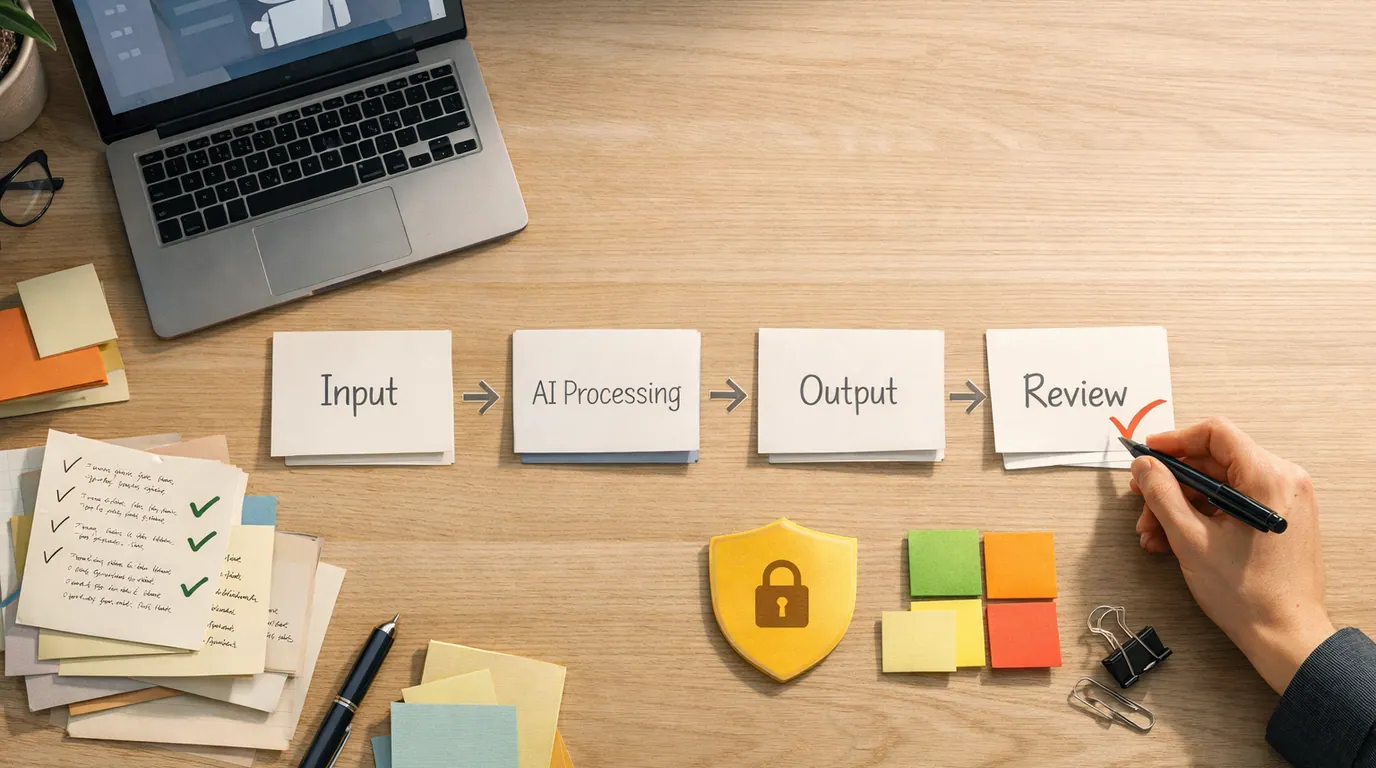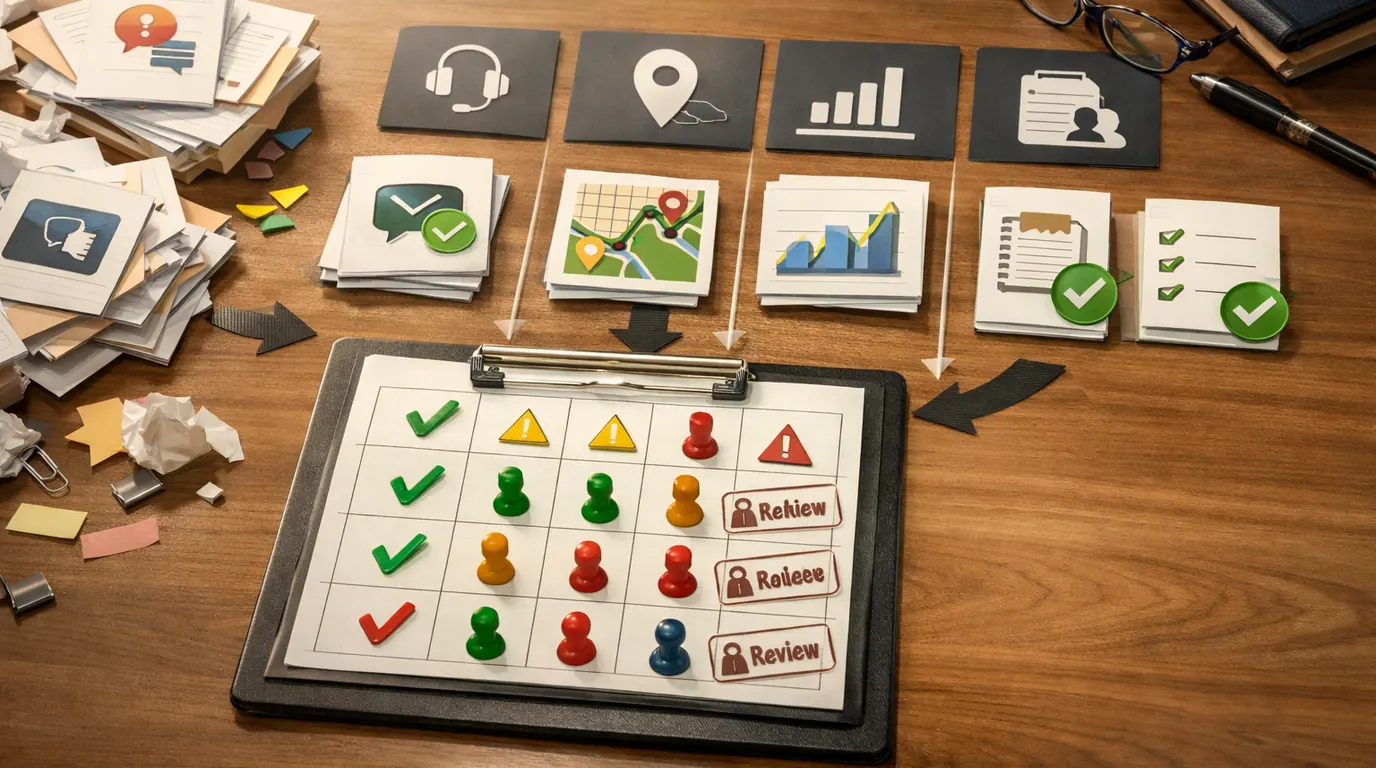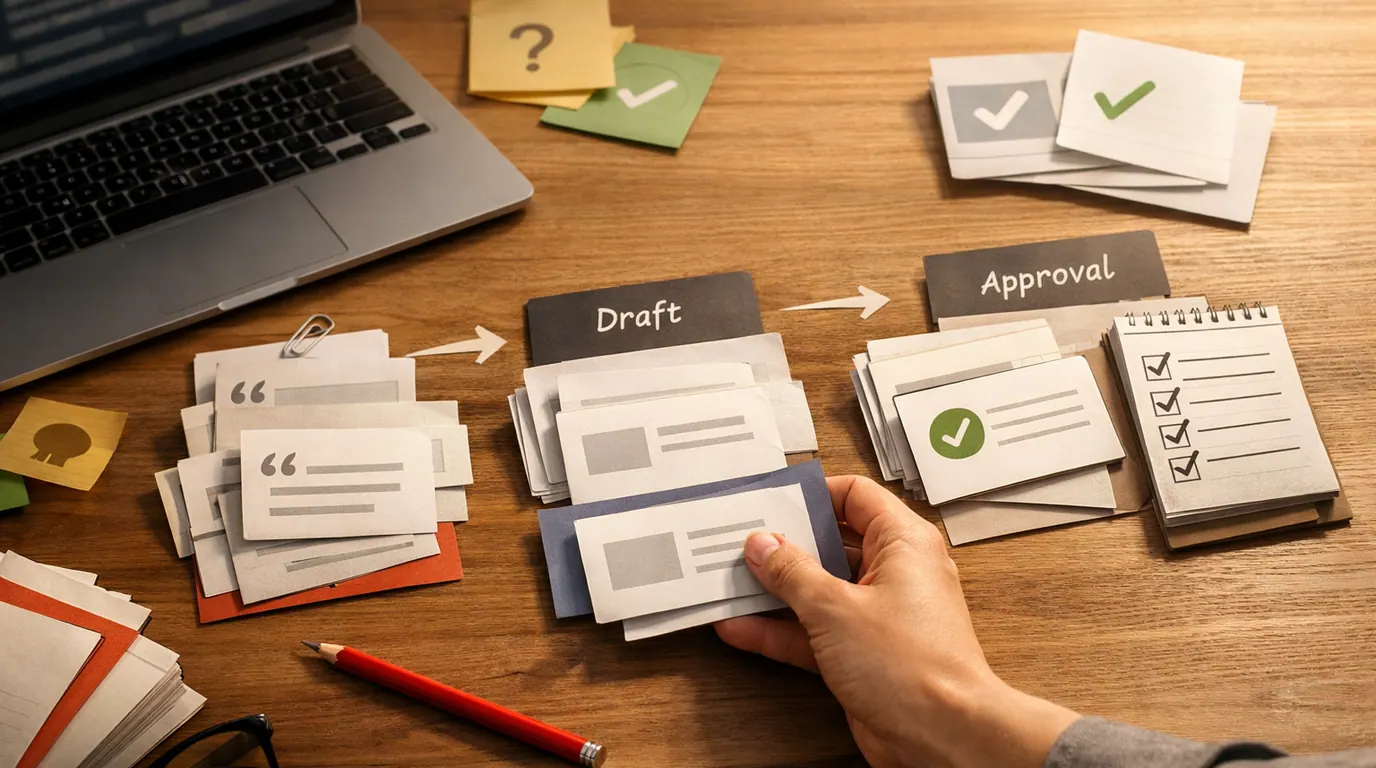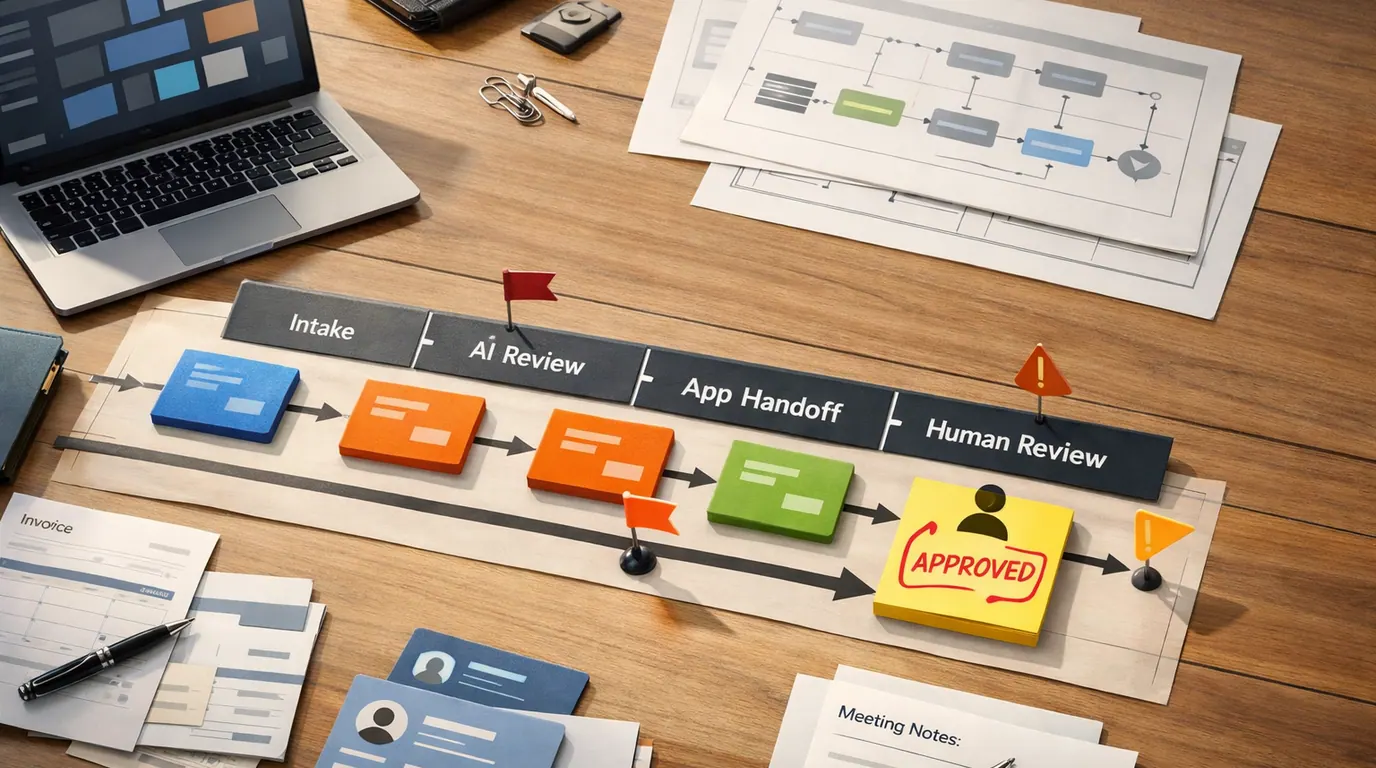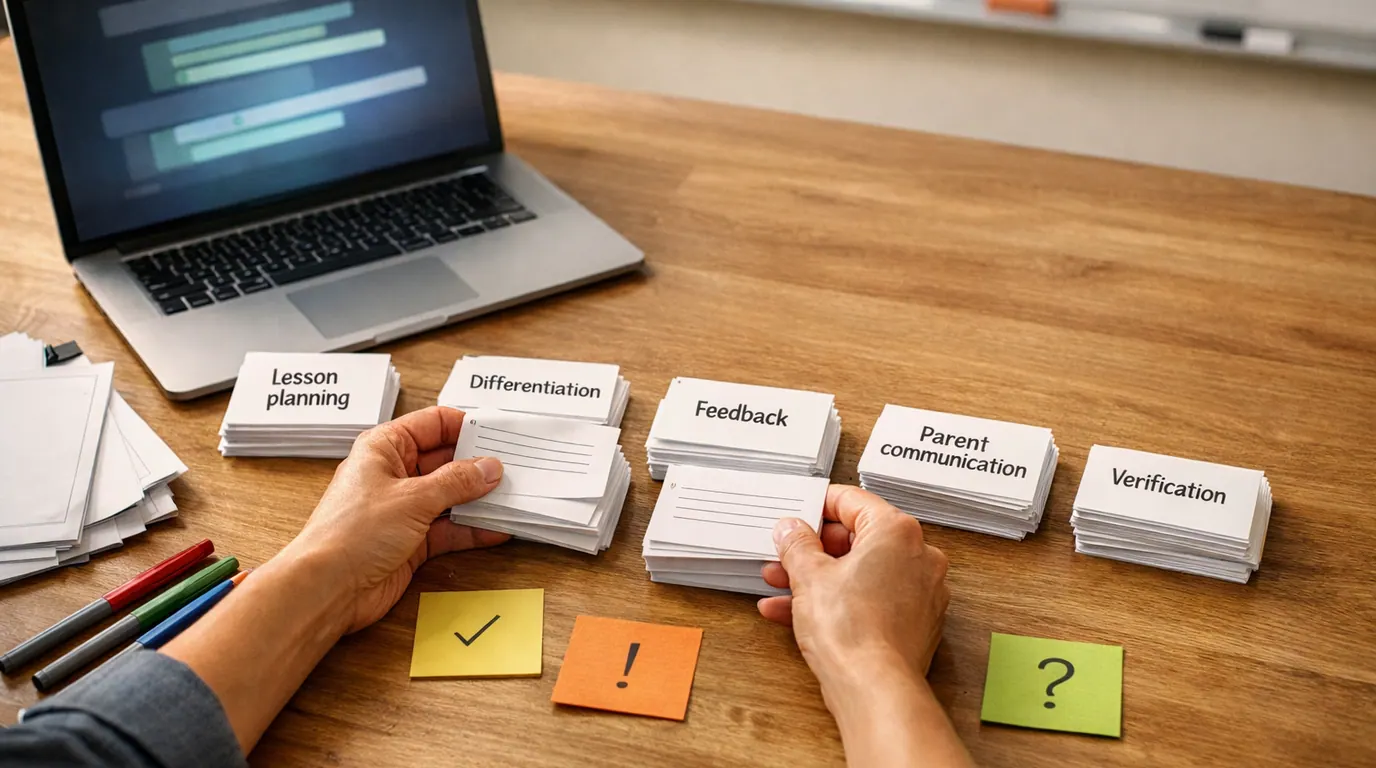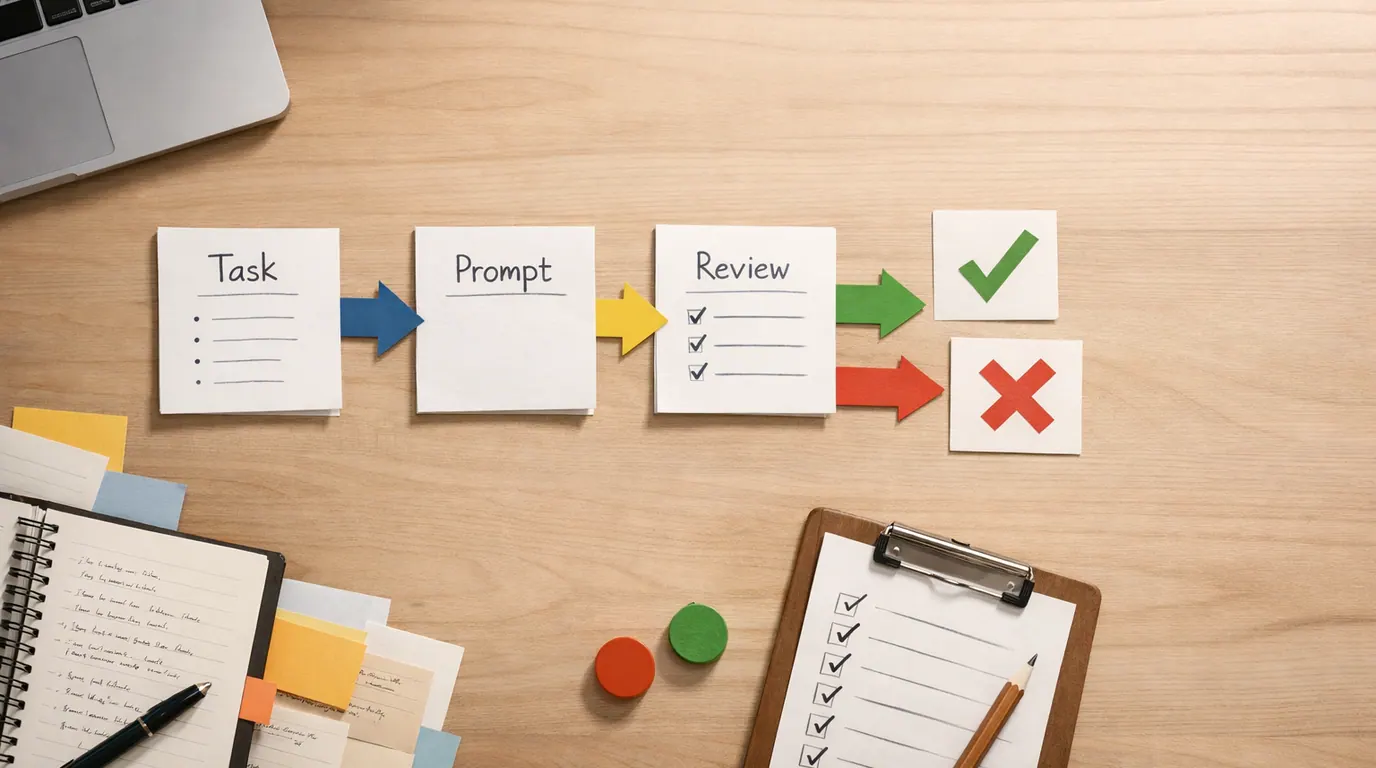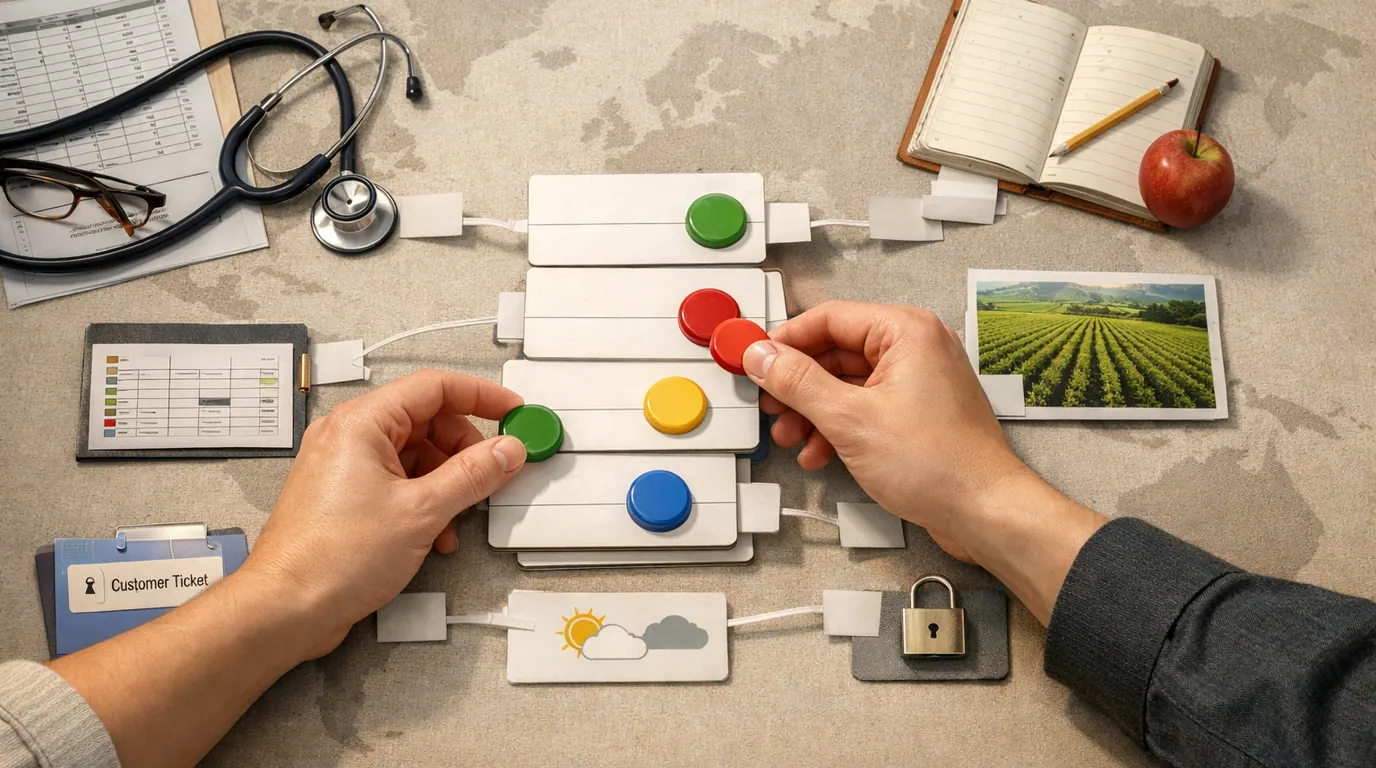
If you searched for “how ai is changing the world,” the useful answer is not that AI will transform everything in the same way. AI is changing the world by entering ordinary decisions: what a doctor reviews first, which student gets extra practice, how a support ticket is routed, what a worker drafts, which crop disease a farmer spots, and which security alert gets escalated.
The important shift is from one-off tools to AI-assisted workflows. AI can read messy inputs, generate a draft, predict a risk, recommend a path, or automate a handoff. That can save time and widen access, but it can also hide bias, expose private data, or make people trust a system that has not earned that trust.
Use this how AI is changing the world guide as a practical map: understand the main changes, look at concrete examples, apply a review framework, and decide where human judgment should stay visible.
The most important changes happen when AI affects what people see, draft, predict, recommend, approve, or automate.
Ask what task changes, who reviews the output, and what happens when the system is wrong.
AI should prepare or support high-stakes decisions before it is allowed to make them.
How AI Is Changing the World: The Plain Answer
AI is changing the world by making prediction, classification, generation, translation, search, simulation, and automation available inside everyday software. That sounds abstract until you name the job. A model can summarize a meeting, flag a suspicious transaction, translate a message, draft code, inspect an image, suggest a lesson, route a customer request, or forecast demand.
The deeper change is that more work now starts with a machine-generated first pass. A person who used to begin from a blank page, a long queue, or a pile of raw data may now begin from a summary, shortlist, alert, draft, or recommendation.
Brookings frames AI as a broad tool for integrating information, analyzing data, and improving decisions across sectors, while also raising governance questions. Microsoft’s AI for Good examples show the same pattern in practical settings such as healthcare, education, accessibility, farming, weather, and conservation. Goldman Sachs adds a useful frontier point: the next wave may include systems that simulate possible outcomes before acting, not only systems that predict text.
For a broader foundation, start with our types of artificial intelligence guide and artificial intelligence examples. They explain why most AI you can use today is narrow and task-specific, even when the interface feels conversational.
Where AI Is Already Changing Everyday Life
How AI is changing the world becomes clearer when you compare fields by workflow, not by hype. The table below uses everyday examples rather than speculative promises.
| Area | Everyday example | What changes | Human review point |
|---|---|---|---|
| Work | Meeting summaries, email drafts, code assistance, support triage. | People start from a draft, summary, or suggested route instead of raw material. | Check facts, tone, permissions, customer promises, and whether the output fits the real context. |
| Healthcare | Image review support, appointment triage, patient-message drafts, operations forecasting. | Clinicians and staff can prioritize signals and reduce some administrative load. | A qualified professional must verify patient-impacting recommendations and explain decisions. |
| Education | Practice questions, tutoring chat, lesson variations, translation, accessibility support. | Students can get more immediate help and teachers can prepare materials faster. | Teachers should protect student data, check age fit, and avoid outsourcing assessment judgment. |
| Daily life | Navigation, search, recommendations, fraud alerts, translation, smart-home routines. | AI becomes invisible infrastructure inside common apps. | Do not treat convenience as proof that the system is fair, private, or always correct. |
| Climate and environment | Weather prediction, biodiversity monitoring, farm-risk detection, energy optimization. | Large datasets can become earlier warnings or better allocation choices. | Review data quality, local context, environmental costs, and who benefits from the recommendation. |
| Media and creativity | Drafting, image concepts, video editing, audio cleanup, personalization. | Creative work can move faster from idea to prototype. | Check originality, rights, source claims, representation, and whether the output is worth publishing. |
These are not separate revolutions. They are variations of the same pattern: AI lowers the cost of first-pass analysis and first-pass creation. That can be useful when the output is easy to inspect. It becomes risky when the output affects people and no one owns the review.
The Best Way to Judge the Change
A search like “best how AI is changing the world” is really asking for a ranking: which changes matter most, which are useful now, and which deserve skepticism. The best answer is to judge AI by the decision it changes.
A realistic how AI is changing the world strategy starts with five questions:
- What input does the AI see? Text, images, files, audio, student records, customer data, medical signals, sensor data, or public sources all carry different risks.
- What output does it create? A draft, prediction, score, alert, recommendation, route, answer, or automated action should be treated differently.
- Who is affected? The higher the consequence for a person, worker, patient, student, customer, or citizen, the stronger the review point should be.
- Can the output be checked? AI is better suited to work where facts, sources, assumptions, and constraints can be inspected before use.
- Who stays accountable? A tool can assist a decision, but a named person or organization should own the policy, exception, and final call.
This lens also explains why two AI uses with similar technology can have very different risk. Summarizing an internal meeting is not the same as summarizing a medical record. Drafting a marketing caption is not the same as scoring a job applicant. Generating code for a prototype is not the same as changing production infrastructure without review.
A Practical How AI Is Changing the World Workflow
Use this how AI is changing the world workflow when you want to evaluate an AI use case at home, at school, or inside a team. It is intentionally plain because the hardest part is usually not the model. It is defining the boundary.
- Name the human job. Write the task in ordinary language: answer a question, spot a risk, draft a reply, classify a request, explain a concept, find a pattern, or prepare a decision.
- Separate assistance from authority. Decide whether AI may suggest, draft, summarize, rank, route, or act. For high-stakes work, keep it on the suggestion side until the process is proven.
- Map the data boundary. List what the system may see and what it must not see. Private, regulated, unreleased, or personal data needs stronger controls.
- Define the review rule. Name who checks accuracy, bias, sources, rights, tone, safety, privacy, and fit before the output is used.
- Test failure cases. Ask what happens if the answer is wrong, unfair, outdated, manipulative, insecure, or too confident.
- Keep a fallback path. The workflow should still work when the AI is unavailable, uncertain, or not allowed to decide.
For prompt-heavy work, our guide to writing better AI prompts gives a reusable task, context, criteria, format, and review structure. For team processes, the AI workflow automation guide shows how to turn assisted steps into a governed workflow instead of a collection of one-off chats.
How AI Is Changing the World Examples You Can Reuse
The most useful how AI is changing the world examples are small enough to copy and inspect. Start with work where the AI output is a draft or signal, not a final decision.
| Situation | AI-assisted step | Better human question |
|---|---|---|
| A student is stuck on a math concept | Generate three practice problems at the same difficulty and explain mistakes after each attempt. | Is the student learning the method, or only getting a smoother answer? |
| A support inbox is overloaded | Classify tickets by urgency, summarize context, and draft replies for a person to approve. | Which customer promises, refunds, or account changes still need human approval? |
| A clinic wants less admin burden | Prepare visit summaries, prioritize messages, and flag missing information for staff review. | Who verifies the summary before it affects care or patient records? |
| A farmer or city team monitors conditions | Analyze images, weather signals, or sensor data to highlight likely risks earlier. | Does the model understand local conditions well enough to recommend action? |
| A manager reviews a complex spreadsheet | Explain formulas, flag anomalies, and draft a narrative summary of trends. | Has someone checked the underlying data, formula logic, and assumptions? |
People often ask a shortened version, “AI change the world,” but the practical answer is plural: AI changes many small decision loops before it changes whole institutions. That is why the examples worth copying are the ones with clear inputs, clear outputs, and clear review.
A Simple Template for Deciding Where AI Belongs
Use this how AI is changing the world template when you are evaluating a new tool, policy, classroom activity, workplace process, or personal habit:
The AI will help with [specific task]. It may use [allowed inputs]. It should produce [reviewable output]. A person will check [accuracy, privacy, bias, source, safety, or tone]. The AI is not allowed to decide [high-stakes action]. If the output is uncertain or risky, the fallback is [human process].
Reusable AI impact template
Here is what that looks like in practice:
- Customer support: “The AI will summarize tickets and draft replies. It may use the current ticket and approved help articles. A support lead checks refunds, legal language, account changes, and angry-customer replies.”
- Education: “The AI will create practice variations. It may use the lesson objective and anonymized examples. The teacher checks correctness, age fit, bias, and whether students still do the learning work.”
- Personal productivity: “The AI will turn messy notes into a plan. It may use my notes and public context. I check deadlines, facts, private details, and whether the plan is realistic.”
- Operations: “The AI will classify incoming requests and suggest routing. It may use form fields and approved account data. A team owner checks exceptions, privacy, and high-value cases.”
This turns AI from a vague trend into a bounded responsibility. If you cannot fill in the template, the use case is not ready.
The Risks and Human Review Points
AI can improve access, speed, and quality in some workflows, but the same features create failure modes. A confident summary can hide a missing source. A ranking can hide bias. A personalized experience can hide surveillance. An automated handoff can make accountability harder to find.
Works Well When
- Routine work becomes easier to start, summarize, translate, classify, or route.
- People can get more individualized support in education, accessibility, and daily software.
- Experts can focus attention on signals, exceptions, and complex judgment instead of every raw input.
- Organizations can prototype ideas, analyze data, and improve service operations faster.
Watch Out For
- Bad data, biased patterns, or weak prompts can produce polished but wrong answers.
- Private records, customer data, student information, and workplace files can be exposed or reused without enough control.
- Automation can remove human review exactly where accountability matters most.
- Labor, energy, water, security, and misinformation costs can be pushed onto people who did not choose the system.
Built In’s future-of-AI overview is useful because it does not treat AI as only upside; it also discusses work, environmental cost, regulation, and liability. The same caution appears in governance-focused coverage: AI is powerful because it changes decisions, so the safeguards must sit near those decisions.
If your use case touches personal data, customer conversations, student records, HR, health, finance, identity, or legal rights, pair this article with our AI privacy concerns guide before uploading files or automating action.
The How AI Is Changing the World Checklist
Use this how AI is changing the world checklist before you adopt a tool, write a policy, approve a workflow, or decide a new AI feature is harmless.
- Task: Can you describe the AI job in one sentence without using vague words like “transform” or “revolutionize”?
- Input: Is the data allowed, accurate enough, current enough, and not more sensitive than the task requires?
- Output: Is the result a draft, prediction, recommendation, score, alert, or action?
- Consequence: Could a wrong output affect money, health, grades, employment, identity, safety, legal rights, or public trust?
- Review: Who checks the output before it affects another person?
- Explanation: Can the team explain the process well enough for affected people to understand or challenge it?
- Fallback: What happens when the AI is unavailable, uncertain, wrong, or not permitted to decide?
- Learning loop: How will errors, complaints, bias signals, and edge cases improve the process?
AI is changing how people work, learn, create, receive services, and make decisions. The checklist keeps the question grounded: not “Is AI impressive?” but “Is this specific AI use useful, reviewable, fair, private, and accountable enough for the job?”
The Bottom Line
How AI is changing the world is best understood as a change in decision loops. AI helps people turn messy inputs into drafts, predictions, recommendations, summaries, classifications, and automated handoffs. That can make everyday work faster and some services more accessible.
The tradeoff is that speed can hide responsibility. The more an AI output affects a person, the more visible the human review point should be.
The useful next step is simple: pick one AI use case in your life, school, or business and run it through the template. If you can name the task, allowed data, output, reviewer, risk, and fallback, you are looking at a manageable workflow. If you cannot, the right move is not more automation. It is clearer accountability.
Frequently asked questions
How is AI changing the world in simple terms?
AI is changing the world by helping software recognize patterns, generate drafts, predict outcomes, personalize services, and automate routine steps. The biggest shift is not one dramatic machine replacement. It is many smaller decision loops in work, school, healthcare, security, media, finance, and daily life.
What are everyday examples of AI changing the world?
Everyday examples include route planning, search suggestions, fraud alerts, spam filters, translation, classroom practice tools, meeting summaries, customer support triage, image analysis, accessibility tools, writing assistants, and product recommendations. Each one changes a small workflow by making prediction or drafting cheaper and faster.
Will AI replace human workers?
AI will replace some tasks, reshape many jobs, and create new work around review, data, operations, security, and model oversight. The safest assumption is task change rather than total job replacement: routine, repeatable work is easier to automate, while judgment, relationships, accountability, and complex context still need people.
What risks matter most as AI spreads?
The main risks are false confidence, biased data, privacy exposure, weak consent, job displacement, over-automation, security misuse, environmental cost, and people trusting fluent answers without evidence. Risk is highest when AI affects health, money, education, employment, safety, legal rights, or identity.
How should a business or school start using AI?
Start with a low-risk workflow where the input is allowed, the output is easy to inspect, and a person still owns the final decision. Good first uses include summaries, lesson variations, internal drafts, spreadsheet explanation, support triage, and research preparation. Avoid sensitive decisions until review rules are clear.
What is the best way to understand AI's impact?
The best way is to map the decision that changes. Ask what input AI sees, what output it creates, who reviews it, what happens if it is wrong, and whether people affected by the decision can understand or challenge it. That turns a vague technology debate into a practical accountability check.