
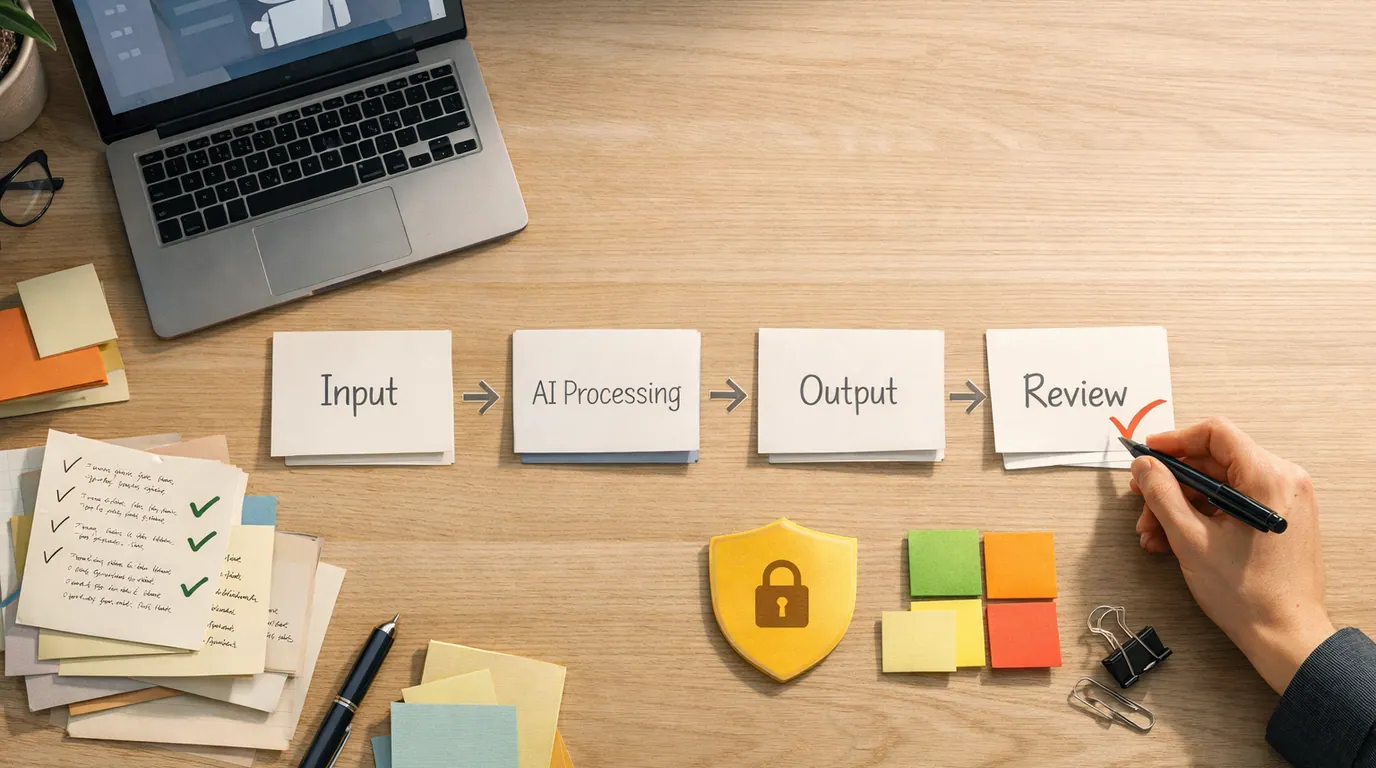
Responsible AI
Beginner's Guide to Artificial Intelligence
A plain, practical introduction to artificial intelligence for beginners: what AI means, where it helps, what to avoid, and how to build a safe first workflow.
Focused reads for this topic. Tag pages stay discoverable for readers and become indexable once enough articles exist.
A plain, practical introduction to artificial intelligence for beginners: what AI means, where it helps, what to avoid, and how to build a safe first workflow.
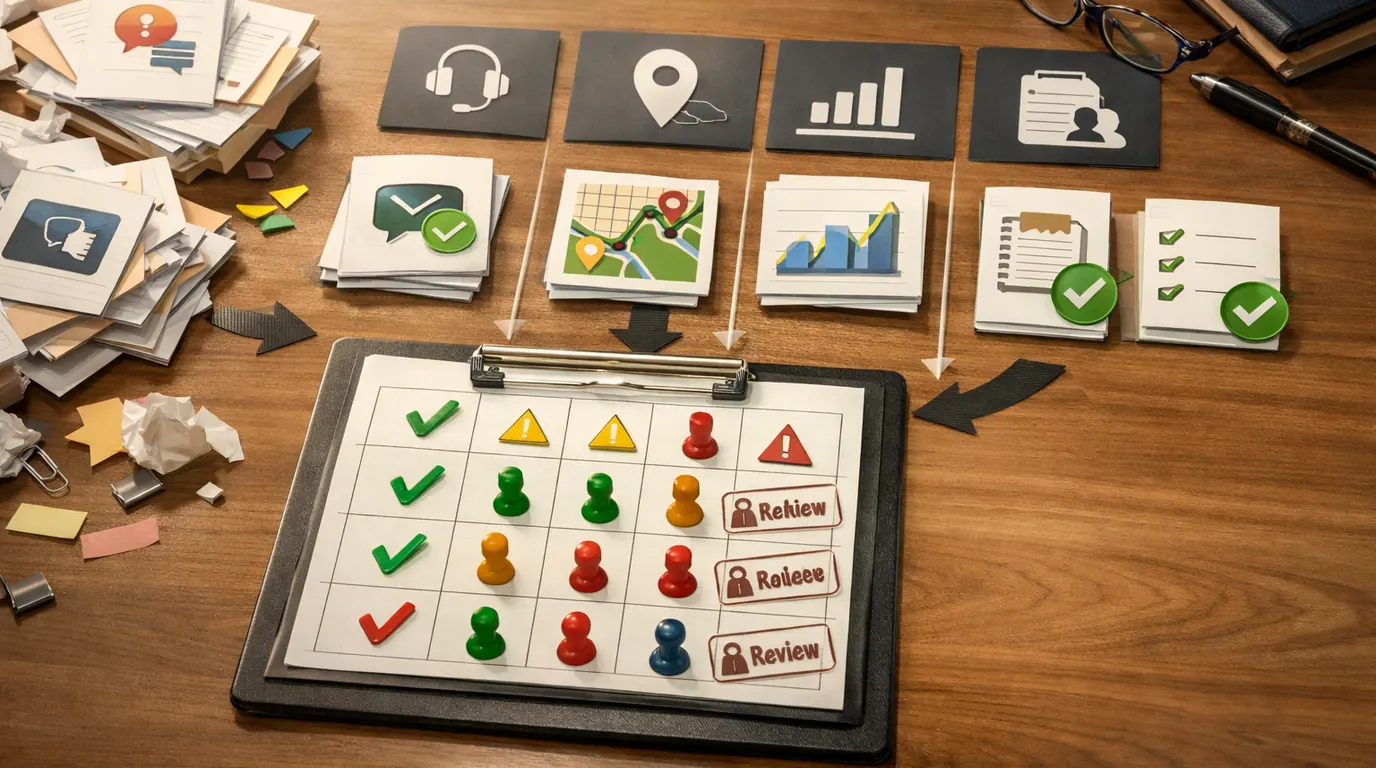
A practical guide to the benefits of artificial intelligence, where AI helps most, where it needs review, and how to choose a safe first use case.
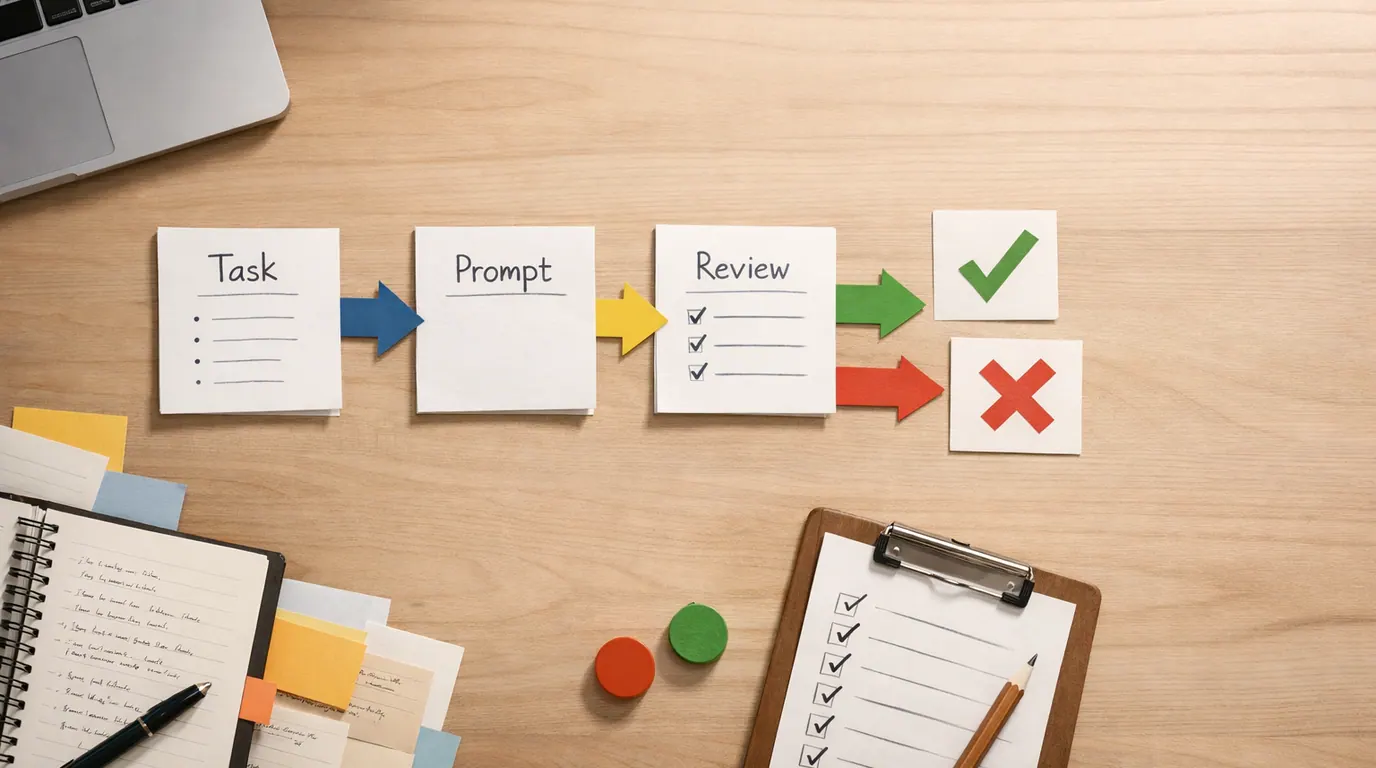
A practical guide to using AI for low-risk, reviewable work: choose a tool, brief it clearly, inspect the output, and build repeatable workflows.

A practical explanation of AI bias, how it appears in daily tools, and how to review systems before unfair patterns scale.

A practical guide to where AI already appears in daily life, how to choose useful use cases, and where human review still matters.

Use AI as a research assistant for questions, source discovery, summaries, synthesis, and review while keeping evidence, judgment, and final claims human.

A practical explanation of how AI works, with everyday examples, a simple workflow, cautions, and human review points.

A practical explanation of generative AI, with everyday examples, a simple workflow, decision criteria, and human-review points for safer use.

A practical explanation of how AI is changing daily life and institutions, with concrete examples, cautions, and a reusable review framework.
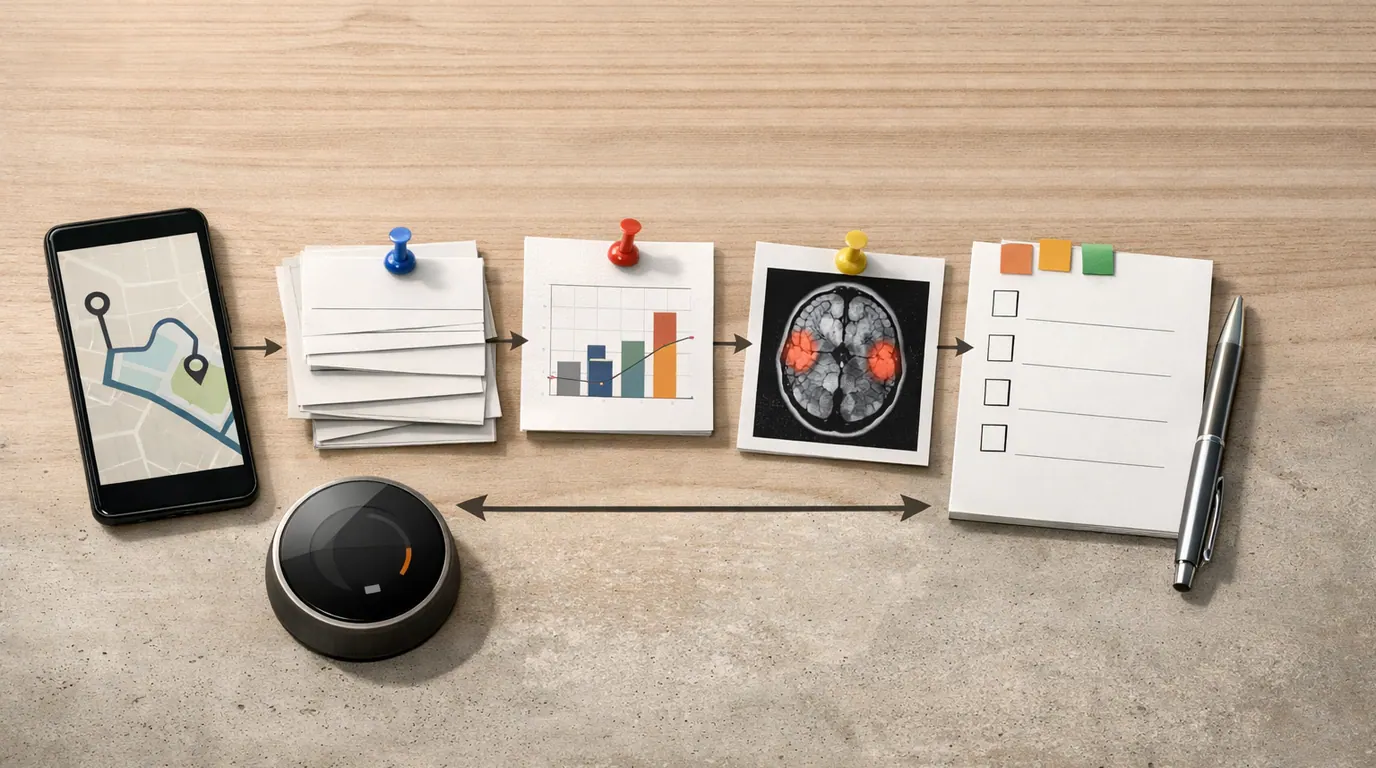
A practical guide to AI examples in everyday life and work, with clear decision rules, common risks, and a reusable workflow for choosing where AI belongs.

A practical guide to understanding AI privacy concerns, spotting risky use cases, and setting simple rules before personal or company data enters an AI system.