Benefits of artificial intelligence are easiest to see when you stop treating AI as a single invention and look at the job it performs. AI can recognize patterns, summarize information, predict likely outcomes, generate drafts, recommend options, monitor activity, and automate repeatable work.
The useful question is not whether AI is impressive. It is where artificial intelligence creates a better workflow without hiding the cost of wrong answers, biased data, privacy exposure, or weak human review.
This benefits of artificial intelligence guide gives you a practical map: what AI does well, everyday and workplace examples, where the benefits are real, where caution matters, and how to choose a safe next step.
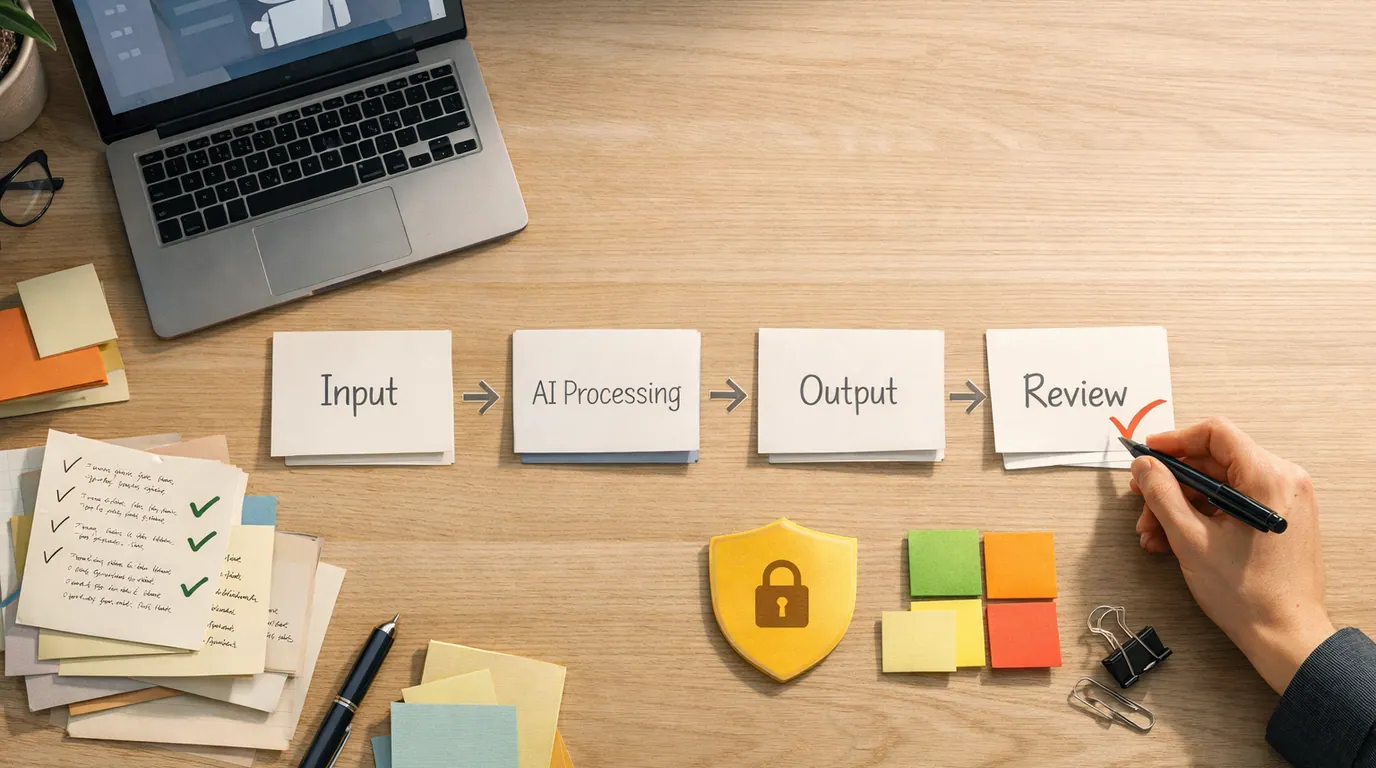
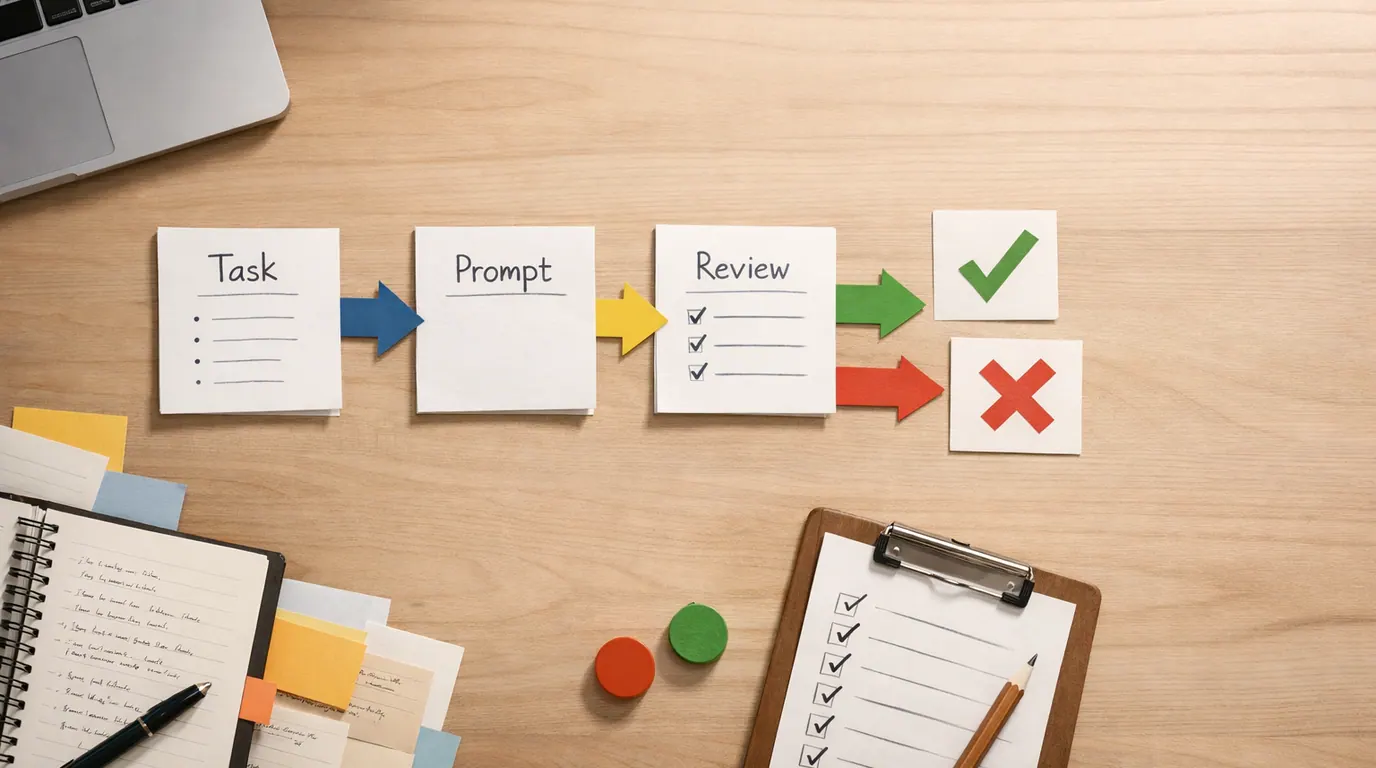
Name the repeated task, the input, the output, and who reviews it before calling the AI valuable.
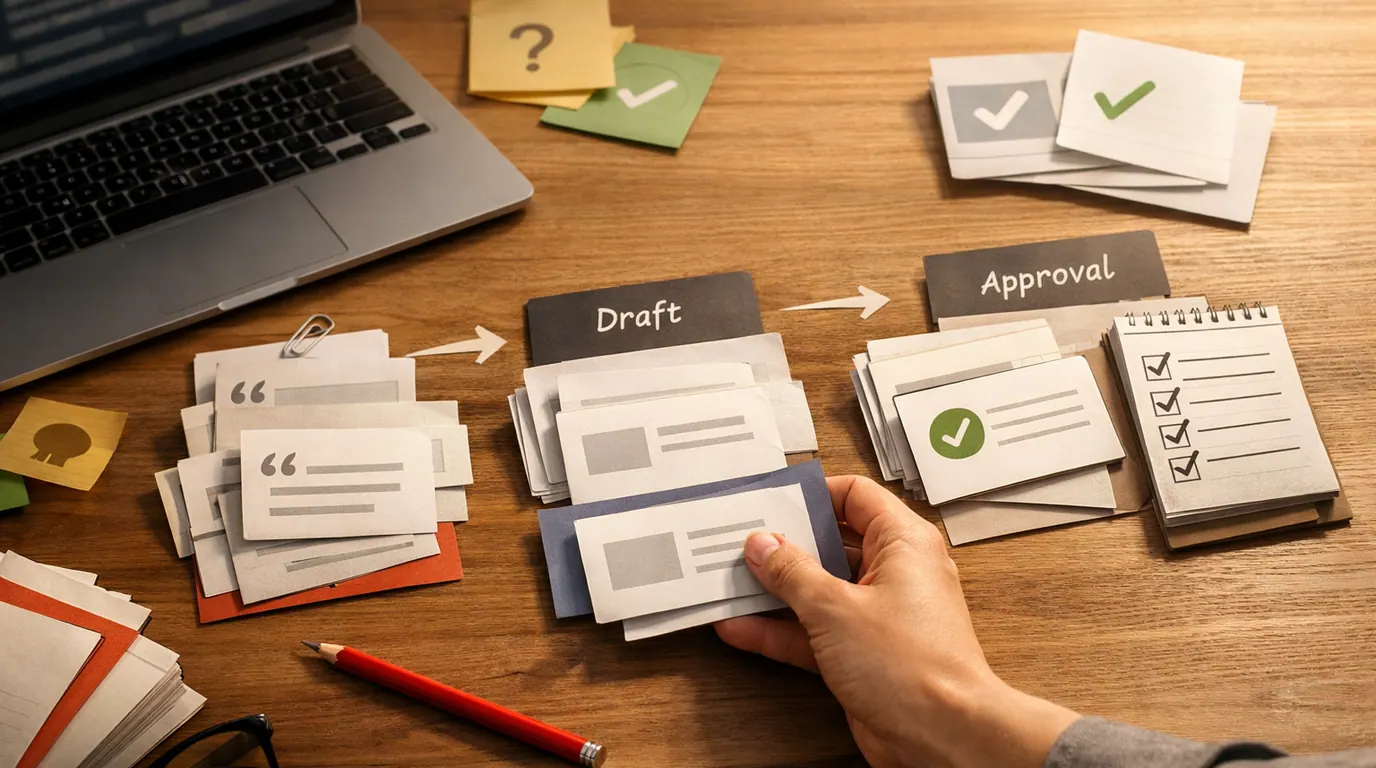
AI is most useful when it produces a draft, score, summary, route, alert, or recommendation a person can inspect.
Privacy, bias, accuracy, and accountability matter more as AI moves closer to final decisions.
Benefits of Artificial Intelligence: The Plain Answer
Artificial intelligence is software or a machine system that performs tasks usually associated with human intelligence, such as understanding language, recognizing images, learning from examples, making predictions, recommending options, generating content, or helping a person decide.
IBM’s overview of artificial intelligence frames AI around machines simulating learning, comprehension, problem solving, decision-making, creativity, and autonomy. Google Cloud’s AI explainer emphasizes systems that learn from data and perform advanced tasks that once required human intelligence. In practical terms, the benefit appears when those abilities improve a real task.
If you are ranking the best benefits of artificial intelligence, do not start with the flashiest demo. Start with the benefit that removes a real bottleneck while keeping the consequence of an error small enough to manage.
That is why a spam filter, fraud alert, or document summarizer may be more valuable than a dramatic autonomous system. The best AI benefit is often quiet: less repetitive work, faster triage, better pattern visibility, and more time for human judgment.
The Main Benefits Mapped to Real Work
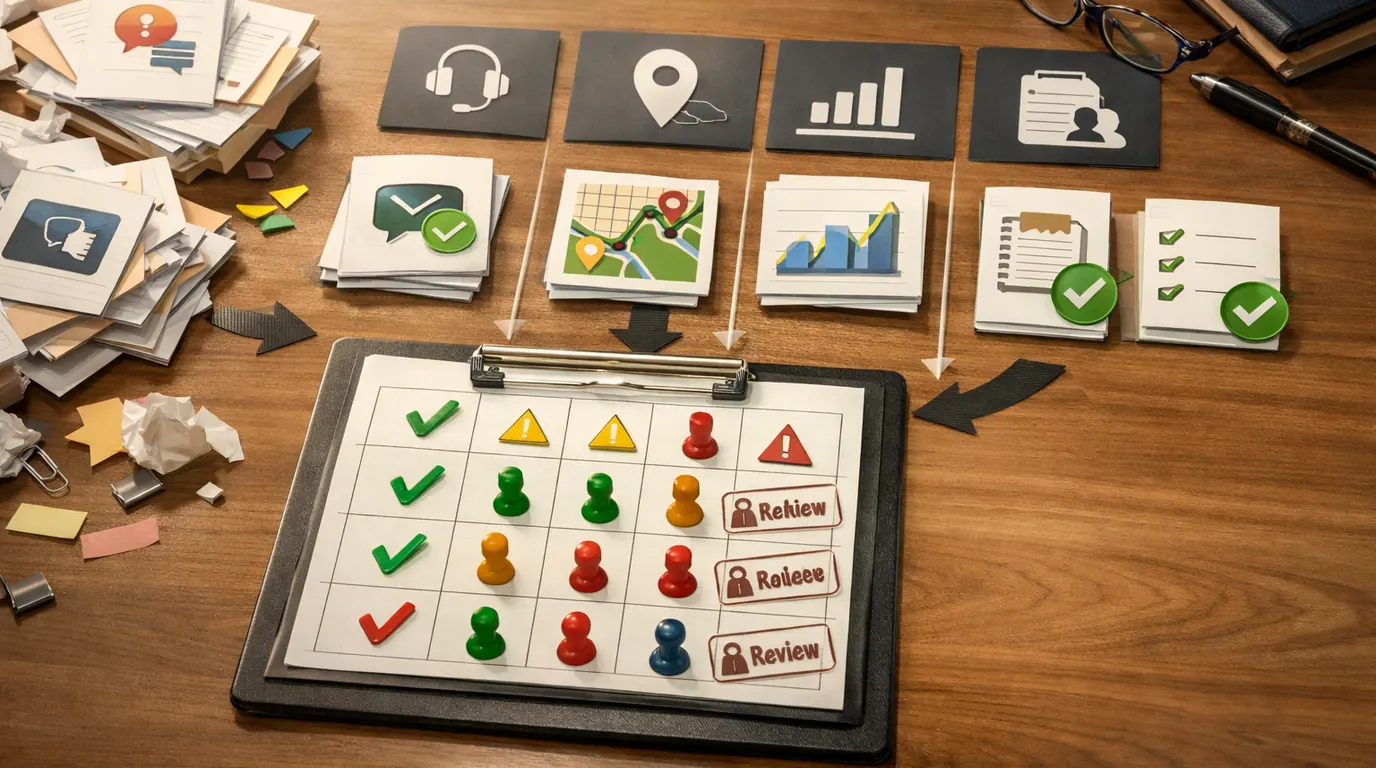
The benefits of AI are not all the same. Some benefits save time, some improve decisions, and some create new ways to serve people. The practical test is whether the benefit matches the workflow and whether a human can review the output before it matters.
| Benefit | What AI does | Everyday example | Human review point |
|---|---|---|---|
| Automation of routine work | Reads, classifies, extracts, drafts, routes, or updates repeatable tasks. | An inbox tool groups receipts, bills, newsletters, and urgent messages before you open them. | Check anything that sends messages, moves money, changes records, or affects another person. |
| Pattern detection | Finds signals across large datasets that would be slow or easy to miss manually. | A bank flags an unusual transaction pattern before the cardholder reports fraud. | Ask what data trained the model, what false alarms look like, and who handles exceptions. |
| Faster information work | Summarizes documents, meetings, search results, transcripts, or support histories. | A student summarizes research papers before deciding which sources deserve close reading. | Verify source material, dates, citations, and whether the summary missed minority viewpoints. |
| Better prediction and planning | Forecasts likely demand, risk, route time, inventory needs, or maintenance issues. | A delivery app adjusts arrival estimates as traffic and route conditions change. | Treat forecasts as probabilities, not guarantees. Keep fallback plans. |
| Personalization | Ranks content, products, lessons, reminders, or recommendations based on context and behavior. | A learning app suggests the next practice exercise based on mistakes and progress. | Watch for narrow recommendations, over-optimization, and unfair assumptions about people. |
| 24/7 support and monitoring | Responds, watches, alerts, or triages outside normal working hours. | A support bot answers common order questions and escalates unusual cases. | Make escalation easy, especially for angry customers, safety issues, account access, or policy exceptions. |
| Creative and analytical assistance | Generates drafts, alternative phrasings, design options, code suggestions, or scenario plans. | A marketer asks AI for first-pass campaign angles, then edits for brand voice and evidence. | Review for originality, factual accuracy, tone, confidentiality, and legal or brand risk. |
This is also where searches for “benefits of artificial” usually lead: people want the practical gains of artificial intelligence, not a vague promise that every process will improve. The gain has to be attached to a task.
For more concrete scenarios, see our artificial intelligence examples guide. If the mechanics are still unclear, our how AI works explainer breaks down data, models, inputs, and outputs in plain language.
Everyday Examples That Make the Benefits Concrete
AI already helps in ordinary moments where a system needs to recognize, rank, predict, or generate something quickly.
Navigation apps combine map data, traffic signals, and route history to suggest faster paths. Email spam filters classify risky messages before they interrupt you. Streaming services and online stores rank recommendations based on behavior and similarity patterns. Photo apps group images by faces, objects, places, or visual similarity. Writing assistants suggest clearer wording, summaries, and first drafts.
Tableau’s discussion of AI benefits points to familiar gains such as efficiency, error reduction, and data-driven decisions. WGU’s AI benefits overview highlights automation, data analysis, operational efficiency, and healthcare support. The common thread is not that AI replaces human intelligence. It helps people handle scale, repetition, and complexity.
Here is the practical difference:
- Without AI: you manually scan every email, compare every route, read every support ticket, or search every document.
- With AI: the system ranks likely importance, extracts useful details, drafts the first version, or flags the item that needs your attention.
- With good governance: a person still reviews sensitive outputs, corrects mistakes, and decides where automation should stop.
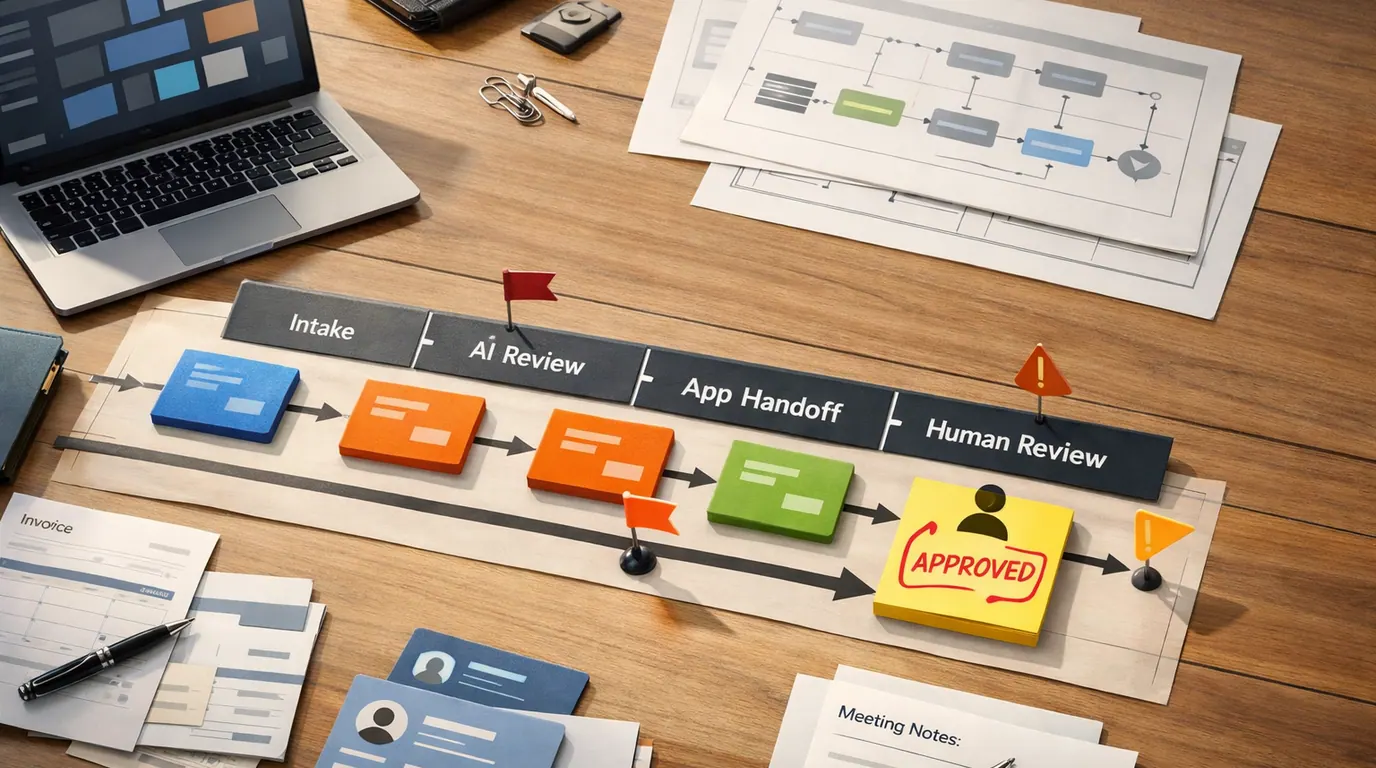
The most useful benefits of artificial intelligence use cases are visible at the handoff: AI reduces the amount of raw material a person must process, then presents a narrower decision with context.
Benefits for Teams and Businesses
For teams, the value of AI usually appears in workflows that already happen every day: customer support, sales research, recruiting coordination, finance operations, reporting, knowledge search, marketing production, software development, quality review, and internal service desks.
A support team can use AI to classify tickets, summarize customer history, draft a reply, and route urgent cases. A finance team can extract invoice fields and flag unusual payment details. A product team can summarize user feedback into themes before roadmap discussion. A developer can use AI to explain unfamiliar code or draft tests, then run and review them.
This is where a benefits of artificial intelligence strategy matters. The strategy should not be “add AI everywhere.” It should be:
- Pick a repeated bottleneck. Choose a task that happens often enough to justify process work.
- Name the AI job. Decide whether AI should summarize, classify, extract, draft, predict, recommend, search, or route.
- Define the review point. Decide who approves outputs and what they must check.
- Measure the workflow, not the demo. Track time saved, rework reduced, response time, accuracy, escalation rate, and user satisfaction.
- Protect sensitive data. Decide what can be uploaded, logged, retained, shared, or used for training.
Our AI automation for business playbook goes deeper on workflow ownership and approval gates. For strategic rollout, see AI business strategy.
Where AI Benefits Need Caution
Artificial intelligence can be useful and still be wrong. It can summarize a document and miss a critical exception. It can recommend an option based on biased data. It can generate a fluent answer that sounds more certain than the evidence allows. It can make private information easier to copy, infer, or expose.
IBM’s advantages and disadvantages overview notes risks around privacy, job displacement, cybersecurity, and ensuring systems behave as intended. TechTarget’s AI pros and cons guide also emphasizes that organizations need to understand both sides to maximize benefits and reduce harm.
Works Well When
- The task is frequent, time-consuming, and has a clear output.
- The AI output can be reviewed before it affects people, money, access, or safety.
- The data is allowed, current, and relevant to the task.
- There is a fallback path when the model is uncertain or wrong.
- The team can measure quality, not just speed.
Watch Out For
- The output becomes a final decision with no human owner.
- The data includes private, regulated, biometric, legal, medical, HR, or financial information without controls.
- The model's answer cannot be checked against sources, tests, or policy.
- The workflow hides bias, surveillance, or unfair treatment behind a score.
- People trust fluent AI output more than evidence.
If privacy is the main concern, our AI privacy concerns guide gives a more detailed checklist for data handling, retention, consent, and vendor review.
A Practical AI Benefits Workflow
A benefits of artificial intelligence workflow should be simple enough for a real team to use. The goal is not to create an AI committee for every small task. The goal is to connect each benefit to an owner, a measurable outcome, and a review rule.
Use this loop:
| Step | Question to ask | Example answer | Proof of value |
|---|---|---|---|
| 1. Task | What repeated task are we improving? | Summarize support tickets before a weekly product review. | The review starts with themes instead of raw tickets. |
| 2. AI role | What should AI produce? | A theme summary, representative examples, and unresolved customer questions. | The output is specific enough to inspect. |
| 3. Data boundary | What data may enter the tool? | Approved ticket text with personal data removed where possible. | No private or regulated data enters unapproved systems. |
| 4. Human check | Who reviews the output and what do they verify? | A product manager checks examples, sentiment, and source tickets. | Important claims trace back to real user feedback. |
| 5. Metric | How will we know the workflow improved? | Less prep time, faster issue grouping, fewer missed themes, better roadmap discussion. | Quality and speed improve together. |
| 6. Stop rule | When should AI not be used? | Legal complaints, account disputes, safety issues, or sensitive personal stories get manual review. | High-risk work is routed before automation goes too far. |
This keeps the benefits grounded. AI does not need to run the whole process to be valuable. Often the highest-return use is one middle step: reading messy input, organizing it, and preparing a better decision for a person.
Benefits of Artificial Intelligence Checklist
Use this benefits of artificial intelligence checklist before adopting a tool, approving a team workflow, or turning a personal AI habit into a business process.
- Task clarity: Can you describe the AI task in one sentence without using hype language?
- Input quality: Is the data accurate, allowed, relevant, current, and not more sensitive than the task requires?
- Output review: Can a person check the result before it affects customers, employees, money, safety, rights, or public claims?
- Error cost: Do you know what a wrong, biased, incomplete, or leaked output would cost?
- Ownership: Is someone responsible for the workflow, not just the tool subscription?
- Measurement: Are you measuring time saved, quality, rework, escalation, and user experience?
- Fallback: Is there a manual path when AI is uncertain, unavailable, or inappropriate?
The checklist is the practical bridge between an explainer and implementation. It turns “AI could help” into “this specific AI step helps this specific workflow under these controls.”
The Bottom Line
The benefits of artificial intelligence are real, but they are not automatic. AI helps most when it handles repetition, scale, pattern recognition, summarization, prediction, personalization, and first-draft work while people keep responsibility for context, judgment, privacy, fairness, and final decisions.
Start small. Pick one repeated task, define the AI role, protect the data, keep the output reviewable, and measure whether the workflow actually improves. The strongest AI benefit is not replacing people. It is giving people a cleaner starting point for better work.
Frequently asked questions
What are the biggest benefits of artificial intelligence?
The biggest benefits are faster routine work, better pattern detection, useful predictions, personalization, 24/7 support, safer monitoring, and help turning large amounts of information into decisions. The value is highest when the output is easy to review and the cost of an error is understood.
How does artificial intelligence help in everyday life?
Artificial intelligence helps through navigation apps, spam filters, product recommendations, voice assistants, photo search, translation, fraud alerts, smart home controls, and writing support. Most everyday AI does one narrow job: classify, predict, rank, summarize, generate, or trigger a next step.
What are examples of AI benefits at work?
At work, AI can summarize meetings, draft first-pass emails, classify support tickets, extract fields from documents, forecast demand, flag unusual transactions, search internal knowledge, and prepare reports. These uses save time when a person still checks accuracy, context, tone, and sensitive information.
Can AI benefits outweigh the risks?
AI benefits can outweigh the risks when the task is bounded, data use is allowed, errors are reviewable, and people remain accountable for important outcomes. The balance changes when AI affects health, money, safety, hiring, education, legal rights, privacy, or customer promises.
What is a good first AI use case?
A good first AI use case is frequent, low-risk, and easy to inspect, such as summarizing notes, drafting a response, organizing research, cleaning spreadsheet text, routing support tickets, or creating a checklist. Avoid irreversible decisions until testing, privacy review, and approval rules are clear.
How should teams measure AI benefits?
Measure AI benefits against the workflow it changes: time saved, fewer handoffs, faster response, better retrieval, lower rework, improved consistency, or earlier risk detection. Pair each metric with a quality check so speed does not hide inaccurate, biased, private, or incomplete outputs.