If you searched for “will ai replace jobs”, the useful answer is neither panic nor comfort. AI will replace some jobs, especially where a company can automate a bundle of routine tasks and still deliver the same service. But the larger near-term pattern is job reshaping: fewer blank pages, fewer manual handoffs, fewer entry-level repetitions, and higher expectations for people who stay in the workflow.
The better question is not only “Will AI replace jobs?” It is: which tasks inside a job are easy to automate, which roles shrink when those tasks disappear, and what should a worker, student, manager, or founder do next?
This will AI replace jobs guide gives you a practical way to judge the risk without pretending anyone can forecast every labor-market move. Use it to map your work, spot exposed tasks, protect the parts where human judgment matters, and decide what to learn next.
AI usually automates pieces of jobs before it removes a whole role from the payroll.
Structured, repeated, text-heavy, data-rich tasks with easy review are the first place to look.
Build the skills that define, judge, approve, explain, and improve AI-assisted work.
Will AI Replace Jobs? The Plain Answer
Yes, AI will replace some jobs. It is already replacing or compressing parts of customer service, administrative support, content production, data processing, coding assistance, research, scheduling, bookkeeping, and routine analysis. But “replace jobs” is the wrong first lens for most people. The first lens should be task exposure.
The same job title can contain both exposed and resilient work. A customer support role may include password-reset triage that AI can handle, but also angry-customer recovery, refund judgment, account context, and escalation decisions that still need people. A junior analyst may spend less time making first-pass charts, but more time checking assumptions, explaining tradeoffs, and turning analysis into a decision.
BCG’s 2026 analysis makes this distinction clearly: task automation does not automatically equal job loss, and many roles are more likely to change substantially than disappear. Harvard Business School Working Knowledge points to early labor-demand signals too: postings for structured, repetitive occupations declined after ChatGPT’s launch, while demand grew for more analytical, technical, or creative roles that AI can augment.
That is the practical middle ground. AI is not harmless, and it is not a single wave that removes every worker at once. It changes the economics of tasks, then companies redesign roles around the new economics.
What Changes First: Tasks, Not Whole Job Titles
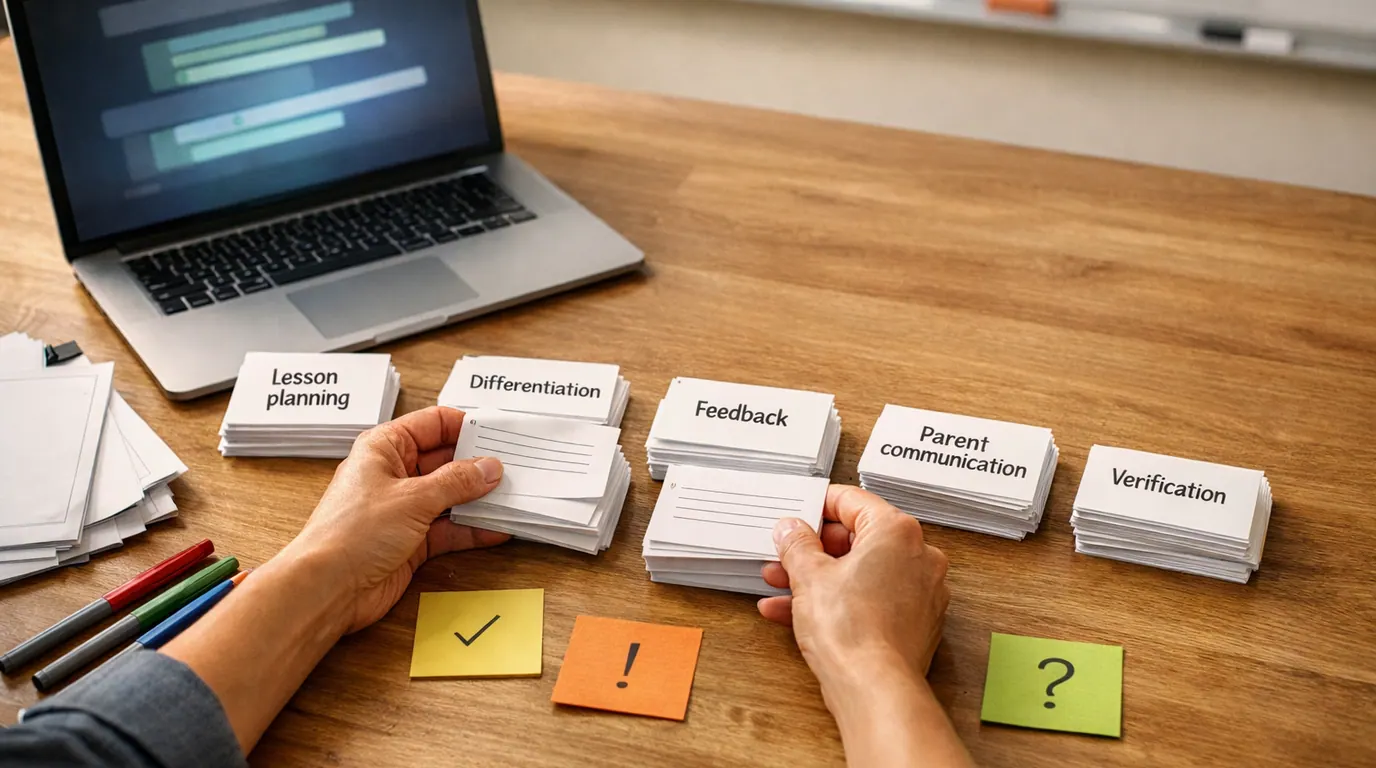
If you typed “best will AI replace jobs”, you probably do not need a fake ranking of doomed careers. You need a way to rank your own tasks by exposure. The table below is the fastest useful filter.
| Task pattern | Replacement risk | Everyday example | Human advantage |
|---|---|---|---|
| Repeated digital input, fixed output | High | Categorizing support tickets, extracting invoice fields, cleaning spreadsheet rows, transcribing calls. | Designing the process, handling exceptions, checking sensitive cases, and improving the source data. |
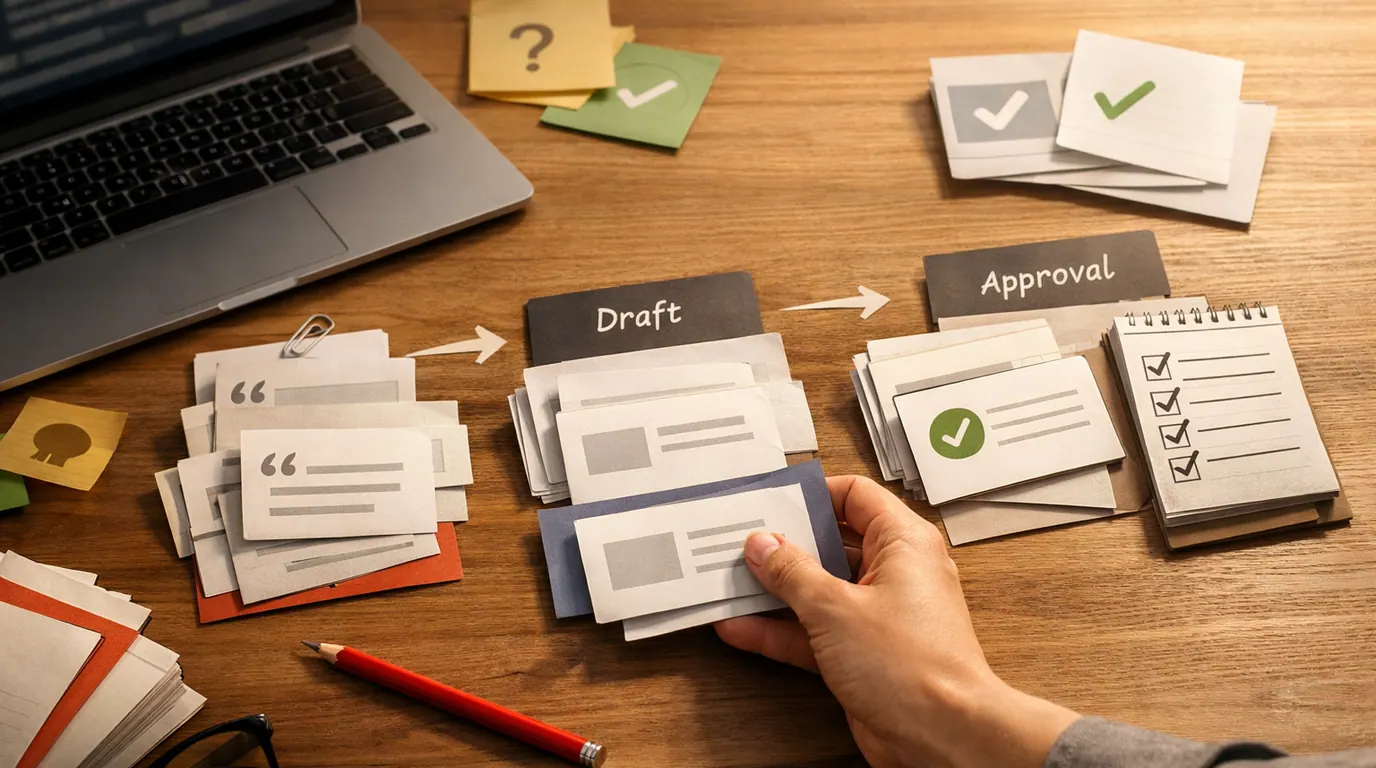
| Template-based communication | High to medium | Drafting routine replies, status updates, product blurbs, simple outreach, or basic internal summaries. | Knowing the relationship, promise, legal boundary, emotional tone, and when not to send. |
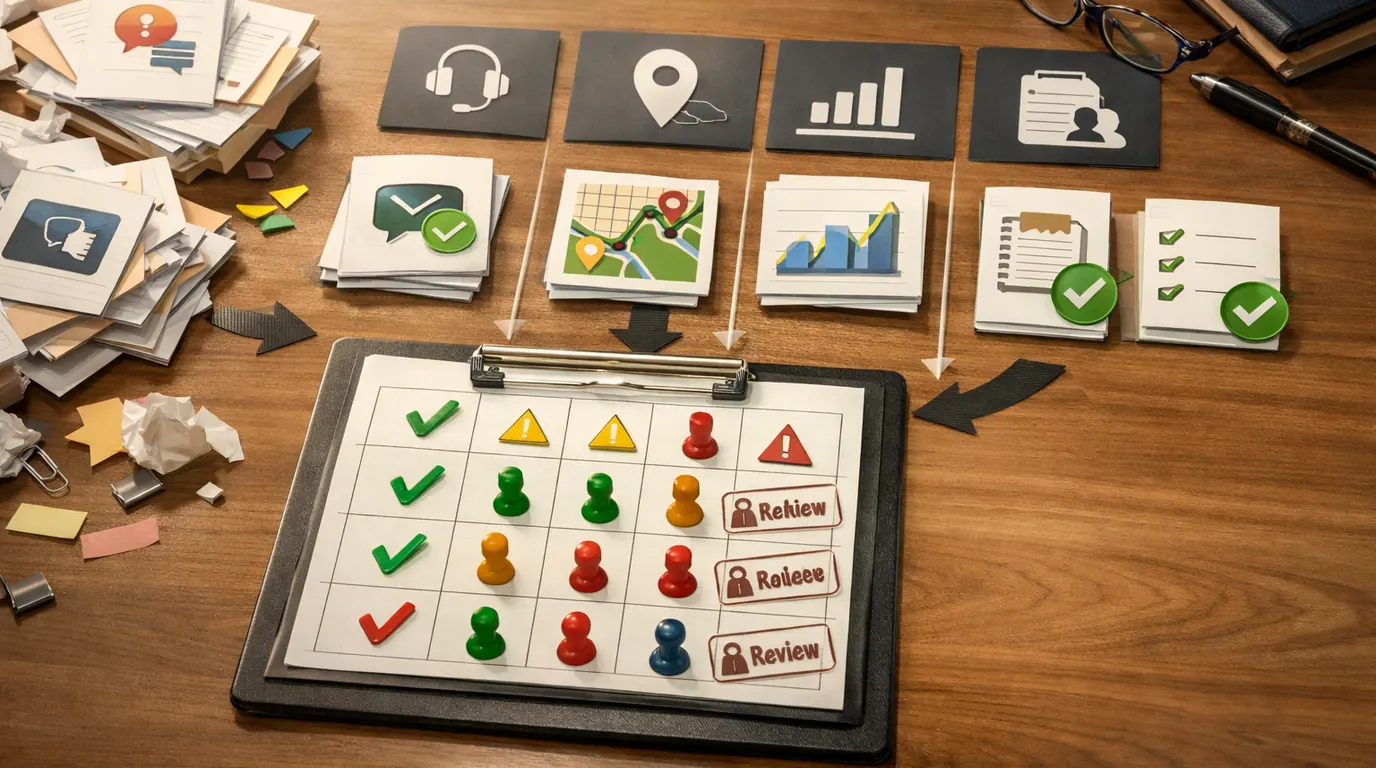
| First-pass analysis | Medium | Summarizing survey responses, explaining a dashboard, drafting a research brief, or finding anomalies. | Asking better questions, validating assumptions, connecting data to business reality, and owning the recommendation. |
| Creative production with clear constraints | Medium | Generating social variants, mockups, image directions, slide outlines, lesson materials, or code scaffolds. | Taste, strategy, originality, editing, rights review, brand fit, and final accountability. |
| Physical, local, or interpersonal work | Lower near-term | Repairing equipment, nursing care, classroom management, field sales, construction, hospitality, conflict resolution. | Reading people and places, adapting in real time, earning trust, and taking responsibility in messy conditions. |
| High-stakes decisions | Lower as full replacement | Hiring, medical care, legal advice, credit decisions, safety calls, disciplinary action, strategic leadership. | Ethical judgment, explanation, accountability, appeal paths, and institution-level responsibility. |
A safer question is not “Will AI replace my job?” but “Which parts of my job can become a reviewed machine step, and which parts still need me to own the result?”
This is also why entry-level work deserves special attention. Junior roles often contain the repetitive tasks that teach judgment over time: first drafts, first reviews, first tickets, first analyses, first bug fixes. If companies automate those tasks without redesigning training, they may save money now and weaken their future talent pipeline.
Will AI Replace Jobs Examples You Can Recognize
The most useful will AI replace jobs examples are ordinary. They show how replacement happens quietly: not always a dramatic layoff, but fewer new hires, smaller teams, faster output expectations, or a role that keeps its title while losing much of its old work.
| Work area | What AI can take over | What changes for workers | What still needs people |
|---|---|---|---|
| Customer service | Answer common questions, summarize cases, classify urgency, suggest replies, and schedule follow-ups. | Fewer people may be needed for routine queues; remaining agents handle harder, angrier, or higher-value cases. | Escalation, empathy, refunds, exceptions, retention, policy judgment, and customer trust. |
| Administrative support | Calendar coordination, call notes, intake forms, document routing, travel drafts, and basic data entry. | The role may shift from doing every step manually to supervising systems and handling exceptions. | Confidentiality, prioritization, executive context, office relationships, and judgment under ambiguity. |
| Marketing and content | Draft outlines, headlines, ad variants, summaries, social posts, image concepts, and SEO briefs. | Teams can produce more versions with fewer blank-page hours, but low-differentiation content becomes easier to replace. | Audience insight, positioning, sources, taste, editing, originality, and responsible claims. |
| Software and IT | Generate boilerplate, explain code, write tests, draft scripts, triage logs, and answer common help-desk questions. | Some junior tasks compress; expectations rise for developers and IT workers who use AI well. | Architecture, security, debugging real systems, stakeholder tradeoffs, incident response, and maintainability. |
| Finance and operations | Extract invoice fields, reconcile simple records, draft reports, forecast from clean data, and flag anomalies. | Manual processing shrinks; analysts spend more time validating exceptions and explaining decisions. | Controls, fraud review, compliance, business context, scenario planning, and accountability. |
| Healthcare, education, and care | Draft notes, prepare practice materials, triage messages, summarize records, and support scheduling. | Administrative load can fall, but bad automation can create privacy, bias, or safety risks. | Patient and student relationships, diagnosis, consent, classroom dynamics, safeguarding, and professional responsibility. |
These will AI replace jobs use cases share one pattern: the more bounded, repeated, and reviewable the task is, the more exposed it is. The more the work depends on trust, local context, ethical responsibility, or messy physical reality, the harder it is to replace outright.
For broader context, see our artificial intelligence examples guide and generative AI explained. They show why most AI systems are still strongest when they produce a draft, label, prediction, or recommendation that a person can inspect.
A Will AI Replace Jobs Checklist for Your Role
Use this will AI replace jobs checklist to map your own work. Do not start with your job title. Start with your calendar, queue, inbox, spreadsheet, tickets, meetings, deliverables, and decisions.
- Task list: Write the 10 to 20 tasks that fill most of your week.
- Repetition: Mark which tasks happen daily or weekly with similar inputs.
- Digital input: Mark which tasks depend mostly on text, documents, forms, calls, images, spreadsheets, or system records.
- Output shape: Mark which tasks produce a predictable output: reply, summary, label, report, code snippet, schedule, forecast, or checklist.
- Reviewability: Ask whether a competent person could quickly check the AI output before use.
- Consequence: Flag anything that affects health, money, legal rights, employment, safety, identity, grades, or customer trust.
- Demand limit: Ask whether the business needs more output if the work becomes cheaper, or whether it simply needs fewer people for the same volume.
- Learning value: Notice which routine tasks currently teach juniors how the real work works.
- Human moat: Identify where you add context, taste, trust, negotiation, judgment, physical skill, or accountability.
When many tasks score high on repetition, digital input, predictable output, and easy review, your role has exposed work. When many tasks score high on consequence, ambiguity, relationship value, and accountability, your role is more likely to be augmented than fully replaced.
A Practical Will AI Replace Jobs Workflow
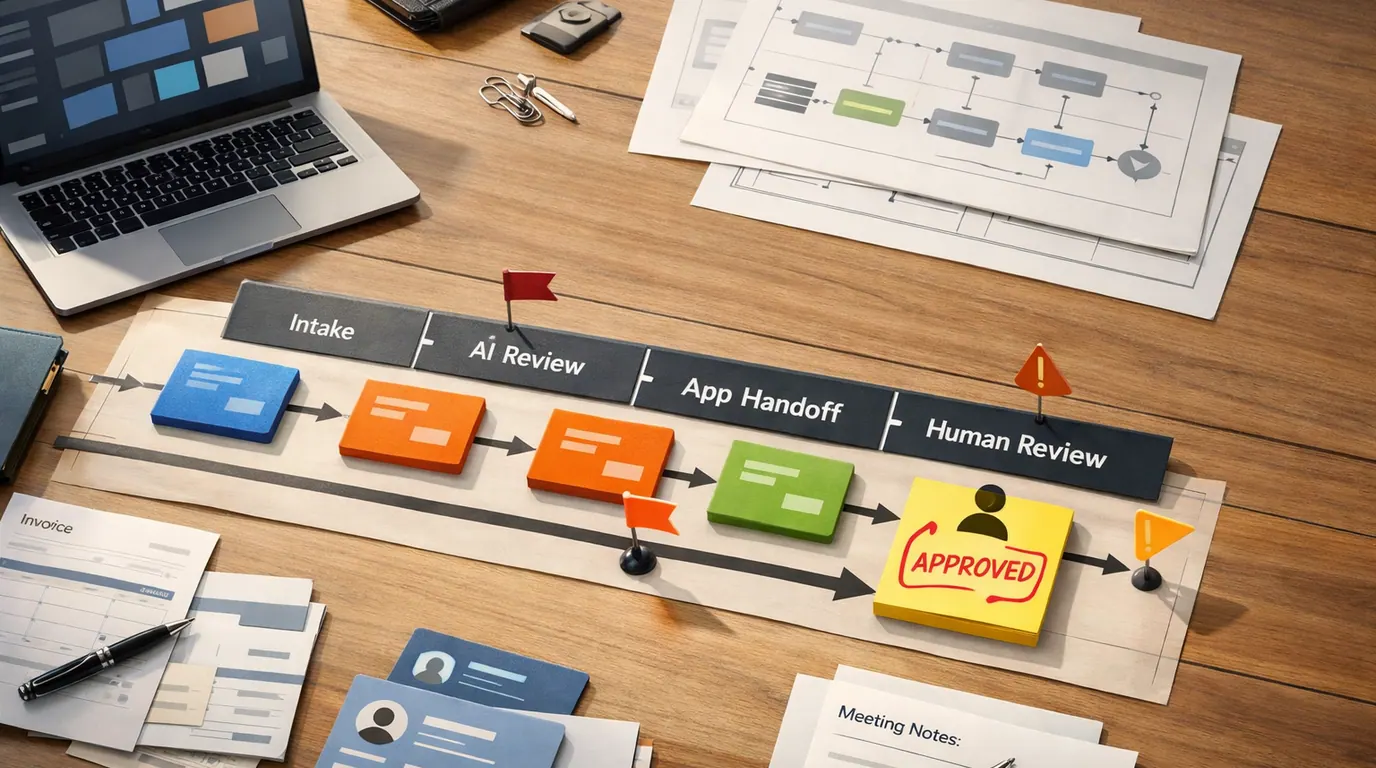
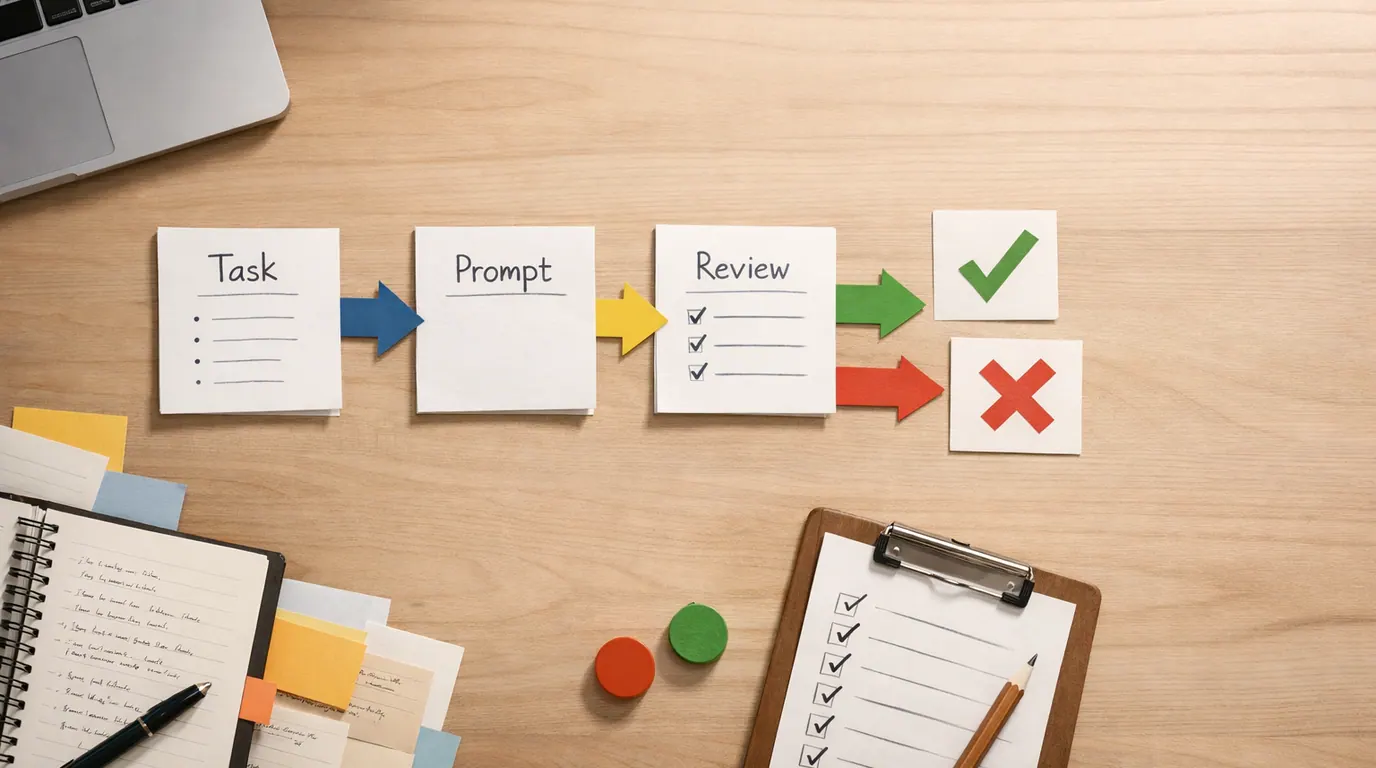
Use this will AI replace jobs workflow when you are choosing a career path, updating a team role, or deciding what to learn next.
- Map the work, not the title. Break the job into tasks, decisions, tools, handoffs, and outcomes.
- Separate automation from augmentation. Ask whether AI can finish the task without a person, or only prepare a draft, signal, shortlist, or recommendation.
- Check the business case. Replacement happens faster when the task is expensive, frequent, bounded, and demand does not expand when output gets cheaper.
- Find the human review point. Name who checks accuracy, bias, privacy, tone, safety, customer promises, and final consequences.
- Protect the learning path. If AI removes junior repetitions, create new ways for people to build judgment: shadow reviews, annotated examples, simulations, and supervised exceptions.
- Upgrade toward ownership. Move from producing a small artifact to owning a workflow, metric, customer outcome, system quality, or decision process.
- Recheck every quarter. AI capability, tool cost, company budgets, and hiring expectations are changing too quickly for a one-time career assessment.
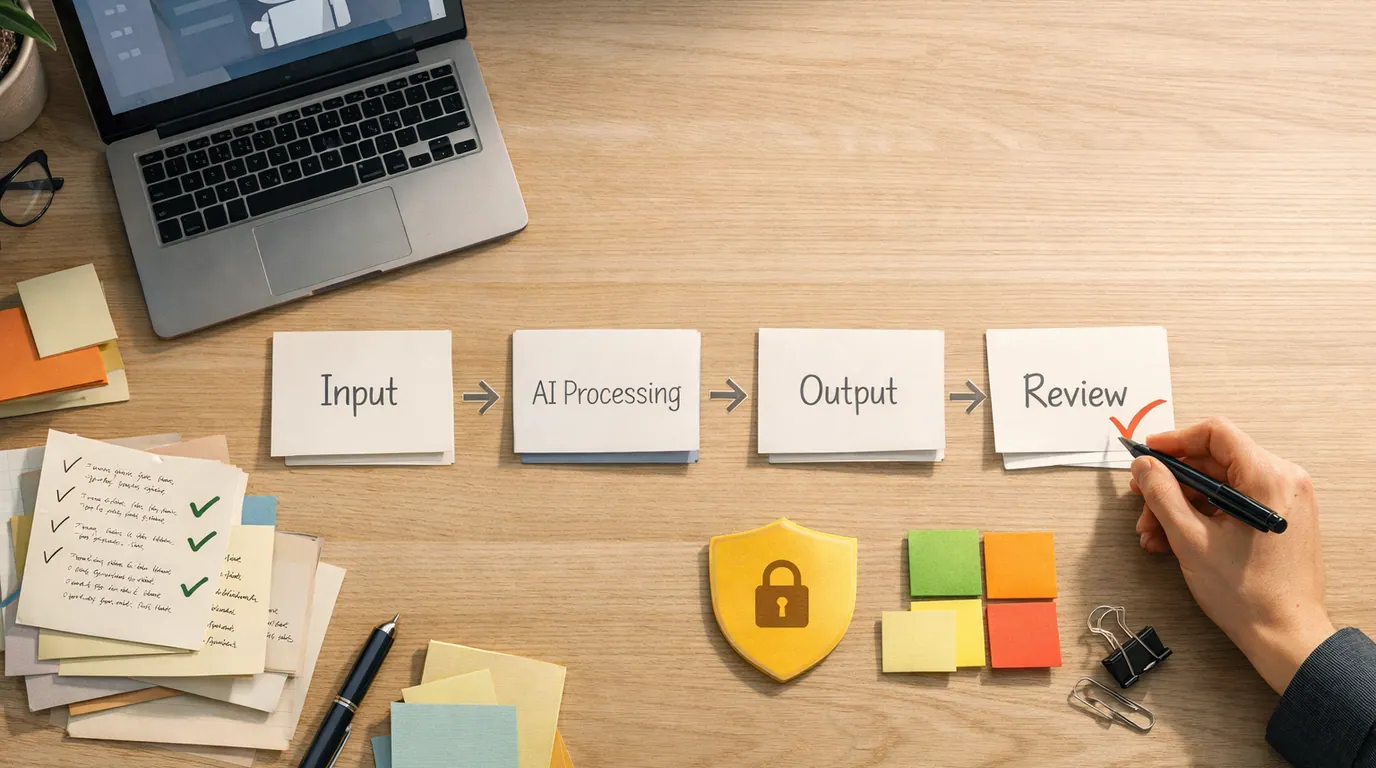
For teams, this connects directly to our AI workflow automation playbook. A good automation plan names the trigger, allowed data, AI output, reviewer, action, and fallback before a workflow touches customers or employees.
Build Your Will AI Replace Jobs Strategy
A good will AI replace jobs strategy has two sides: reduce exposure to pure routine work, and become more useful in the AI-assisted version of your field.
For an individual, that means learning the tools without letting the tools define your value. Prompting is useful, but it is not enough. The stronger move is to understand the workflow so well that you can decide what AI should do, what it should not do, and how to judge the result.
For a manager, the strategy is not “cut people because AI exists.” BCG’s AI at Work research argues that strategy matters more than tool access because organizations need to redesign work, training, and value capture. CBS News also cautions that layoff headlines are only part of the story; quieter changes in hiring, especially junior hiring, may matter just as much.
Use this split:
| If your work is mostly | Do this next | Why it helps |
|---|---|---|
| Routine production | Learn to operate, inspect, and improve the AI-assisted workflow around that production. | You move from being the slowest part of the process to the person who owns quality and throughput. |
| First-pass analysis | Get better at data definitions, assumptions, source checks, and translating findings into decisions. | AI can draft the analysis; people are still needed to decide whether the analysis is true and useful. |
| Customer or stakeholder communication | Build escalation judgment, empathy, negotiation, and context management. | AI can draft language, but trust is earned through timing, judgment, and responsibility. |
| Technical implementation | Shift from boilerplate output toward system design, testing, security, integration, and maintainability. | Code generation is useful; reliable systems still need engineers who understand consequences. |
| Creative or strategic work | Deepen taste, audience insight, source quality, positioning, and editorial standards. | AI can produce variations, but the valuable work is choosing what should exist and why. |
| Management | Learn to redesign roles, training, metrics, approvals, and career paths around AI-assisted work. | The manager's job becomes less about supervising activity and more about shaping the system that produces results. |
A shorter search like “will AI” usually hides this same concern: people want to know whether the future still has a place for them. The practical answer is yes, but not always in the same role shape, salary band, career ladder, or entry path.
A Simple Will AI Replace Jobs Template
Use this will AI replace jobs template for your role, a student’s career plan, or a team redesign:
AI is most likely to change my work by automating [routine task]. It will probably assist, not replace, [judgment task]. My next move is to learn [tool or workflow skill], strengthen [human or domain skill], and prove value by owning [measurable outcome]. The review point I should control is [quality, privacy, safety, customer promise, or final decision].
Reusable role exposure template
Examples:
- Support agent: “AI may automate common answers and summaries. I should get stronger at escalation, customer recovery, policy judgment, and reviewing AI replies before they create bad promises.”
- Junior marketer: “AI may produce drafts and variants. I should get stronger at audience research, offer clarity, source-backed claims, editing, and measuring which messages actually move people.”
- Analyst: “AI may create charts and narrative summaries. I should get stronger at data quality, assumptions, scenario design, stakeholder questions, and explaining the decision risk.”
- Developer: “AI may write boilerplate and tests. I should get stronger at system design, debugging, security, architecture, code review, and understanding what the business actually needs.”
- Student: “AI may make basic assignments easier to fake or finish. I should get stronger at asking better questions, checking work, explaining reasoning, and building projects that show judgment.”
For prompt structure, our guide to writing better AI prompts is useful. The key is to give the model a role, task, context, constraints, output format, and review criteria instead of asking for a vague answer.
What AI Still Needs People For
AI systems are getting better at language, coding, image generation, audio, video, planning, retrieval, and tool use. That does not remove the need for people. It changes where people add value.
Human value is strongest where work requires:
- Accountability: someone must be answerable when a decision affects another person.
- Judgment under uncertainty: the answer depends on incomplete facts, competing values, or tradeoffs that are not in the data.
- Trust: a customer, patient, student, client, employee, or partner needs confidence in a person, not just an output.
- Physical context: the work happens in a real environment where sensors, rules, weather, bodies, tools, safety, and local knowledge matter.
- Creative direction: someone must decide what is worth making, what is original enough, and what should be rejected.
- System design: AI output must fit processes, data, incentives, security, compliance, and maintenance.
- Ethics and appeal: affected people need a way to understand, challenge, or escalate decisions.
The World Economic Forum’s Future of Jobs Report 2025 projects large labor-market churn by 2030, with both job displacement and job creation. The important career lesson is that new work may not appear in the same place, at the same wage, or for the same people who lost routine work. Transition planning matters.
Cautions Before You Trust Any AI Jobs Forecast
Predictions about AI and jobs are noisy because several things are happening at once: AI capability is improving, tool costs are changing, companies are correcting old hiring plans, interest rates and demand affect budgets, and executives have incentives to frame layoffs in ways investors understand.
Works Well When
- Take AI exposure seriously when your work is repetitive, digital, and easy to verify.
- Use AI yourself so you understand which parts of the job are becoming faster or cheaper.
- Move toward review, ownership, domain judgment, customer context, and system design.
- Ask employers how junior workers will learn if first-pass tasks become automated.
Watch Out For
- Do not assume every layoff blamed on AI was actually caused only by AI.
- Do not choose a career only from a viral list of safe and unsafe jobs.
- Do not rely on AI for health, legal, hiring, finance, safety, or employment decisions without qualified human review.
- Do not paste private customer, employee, student, patient, legal, or company data into unapproved AI tools.
The privacy point matters because job automation often begins with data. If a tool needs employee records, resumes, call recordings, customer tickets, patient notes, or private documents, use the rules in our AI privacy concerns guide before uploading or automating anything.
The Bottom Line
AI will replace jobs in some areas, but the more useful forecast is that AI will replace tasks, compress roles, change hiring, and raise the bar for what people are expected to do with the same tools. Routine digital work is most exposed. Human judgment, trust, accountability, physical context, creative direction, and system ownership are more resilient.
If you are worried about your own work, do not stop at headlines. Map your tasks, find the exposed parts, learn the AI tools in your field, and move toward the decisions, relationships, and review points that still need a person.
Frequently asked questions
Will AI replace my job in 2026?
AI could replace parts of your job in 2026 if your work is mostly repetitive, digital, structured, and easy to check. A full job replacement is less likely when the role also needs judgment, relationship management, physical context, accountability, exception handling, or decisions that a company cannot safely leave to software alone.
Which jobs are most at risk from AI?
Jobs with the highest exposure are usually built from repeatable tasks with clean digital inputs: basic customer support, data entry, simple admin work, template-based writing, routine reporting, first-pass research, transcription, and some junior analysis. The risk rises when demand is fixed and one person using AI can handle far more output.
What jobs are safest from AI?
The safest roles combine human trust, physical work, messy local context, creative direction, negotiation, care, leadership, safety responsibility, or high-stakes accountability. Examples include many skilled trades, healthcare and care roles, education, complex sales, management, legal or financial advisory work, and technical roles that design or supervise systems.
Does AI create new jobs too?
Yes, but new jobs are not perfect one-for-one replacements for displaced work. AI creates demand for people who configure systems, review outputs, manage data, secure workflows, train teams, redesign processes, and translate business needs into AI-assisted work. The challenge is timing: people may need new skills before those openings appear.
How do I know if my role is exposed to AI?
Map your week into tasks, then mark each one by repetition, digital input quality, reviewability, risk, and business value. If many hours go to the same structured output and a supervisor can quickly inspect the result, that part is exposed. If the work depends on trust, exceptions, context, and ownership, it is harder to replace.
What should I learn if AI is changing my work?
Learn how to use AI tools inside your field, but do not stop there. Build domain judgment, data literacy, process design, quality review, communication, customer or stakeholder management, and the ability to turn messy work into clear instructions. The durable skill is owning better outcomes with AI, not merely prompting a chatbot.