If you searched for “ai tools for youtube,” the useful answer is not one app that writes, edits, optimizes, clips, narrates, designs, and publishes a whole channel for you. YouTube work is a chain of jobs: finding an angle, writing a script, recording, cutting, polishing audio, making Shorts, choosing titles, publishing, learning from analytics, and sometimes pitching sponsors.
The best AI tools for YouTube are the tools that reduce a specific bottleneck without making the channel feel automated, generic, or risky. A gaming creator clipping streams has a different problem than an educator writing tighter scripts, a faceless channel generating draft visuals, or a brand team trying to keep titles, thumbnails, and approvals under control.
Use this AI tools for YouTube guide as a shortlist and a decision framework. Pick the blocked workflow first, test two tools with the same real video, and keep the one that gives you usable output with the least cleanup.
Choose by task: research, script, edit, clip, optimize, clean audio, generate visuals, automate, or pitch sponsors.
The right tool leaves fewer generic lines, fewer awkward cuts, fewer bad captions, and fewer approval problems.
Check facts, titles, visuals, music, disclosures, monetization risk, and whether the video still sounds like your channel.
Quick Picks: Best AI Tools for YouTube by Job
Start with the job column. AI tools lists get noisy when script assistants, video editors, SEO platforms, audio cleaners, clipping tools, and automation APIs are compared as if they solve the same problem.
| Pick | Best for | Why it fits | Limit | Pricing/free-plan note |
|---|---|---|---|---|
| ChatGPT or Poppy AI | Ideas, outlines, competitor notes, scripts, and channel voice briefs | General assistants are flexible, while Poppy AI is built around a visual creator workspace for sources, notes, scripts, and reusable voice context. | They can produce smooth but generic scripts unless you provide source material, viewer context, and a clear point of view. | ChatGPT access varies by plan and limits. Poppy AI pricing, credits, and offers can vary, so check current checkout details before committing. |
| Gling | Talking-head YouTubers who need faster rough cuts | Gling focuses on YouTube editing jobs such as removing bad takes, silences, filler words, noise, captions, titles, and chapters. | It is strongest for cleanup and first-pass editing, not for replacing creative pacing or a final editor on complex videos. | Gling lists a free plan with limited monthly AI-edited media and watermarked exports; verify current limits before using it weekly. |
| Descript | Text-based editing, podcasts, screen recordings, captions, and voice workflows | Descript lets creators edit video and audio through transcript-style workflows, which is useful when the content is speech-heavy. | Transcript editing can hide rhythm problems. Watch the final timeline, not only the words. | Descript starts free and lists paid creator/team plans. Check current transcription, export, AI, and watermark limits. |
| Invideo AI | Beginners, faceless video drafts, prompt-to-video, voiceovers, stock-based videos, and fast concepts | Invideo AI can turn a topic and settings into a generated video draft with script, media, voiceover, music, and subtitles. | Generated stock-style videos can feel interchangeable. Replace weak media, rewrite the script, and add original evidence. | Invideo says free use is available with limited credits; paid plans and model credit costs can change. |
| OpusClip or WayinVideo | Turning long videos, podcasts, webinars, streams, or gaming sessions into Shorts | Both focus on finding clip moments, reframing vertical video, adding captions, and preparing social-ready short clips. | AI can choose a dramatic moment without enough context. Review the setup, caption accuracy, and whether the clip misleads. | OpusClip lists a free plan with monthly credits and watermarks. WayinVideo uses task-based credits; check current limits. |
| vidIQ or TubeBuddy | Keyword research, titles, descriptions, thumbnails, tags, ideas, and YouTube optimization | These tools are closer to channel growth and discoverability than video creation. They help choose packaging after the video idea exists. | Optimization tools cannot rescue a weak premise, weak retention, or a title that overpromises. | Both have free entry points and paid tiers. Verify current AI credits, channel limits, SEO features, and coaching/add-on pricing. |
| Adobe Podcast | Cleaning rough voice audio before editing or publishing | Enhance Speech and related Adobe Podcast tools are useful when room noise, echo, or uneven voice quality makes a recording harder to watch. | Overprocessing can make a voice sound artificial. Keep an original copy and listen on headphones before exporting. | Adobe Podcast lists free Enhance Speech limits and paid plan upgrades. Check duration, file, video, and bulk-processing limits. |
| Runway or DomoAI | Generative B-roll, animated scenes, stylized visuals, image-to-video, and creative experiments | These generative AI tools for YouTube can help when you need motion ideas or visual material you cannot film easily. | Do not use generated visuals as factual proof. Review rights, realism, disclosure needs, and whether the scene matches the script. | Runway lists one-time free credits. DomoAI lists free credits and paid plans; verify model access, usage rights, and credit costs. |
| Shotstack | Developer-led YouTube automation pipelines and repeatable video assembly | Shotstack fits teams that want API-based rendering, templated videos, captions, variants, and programmatic publishing workflows. | It is not a creator-friendly all-in-one editor. You need technical setup, QA, and monitoring for failed renders or bad inputs. | Shotstack pricing is usage-based with free testing paths. Check current render minutes, sandbox limits, and production costs. |
| Sponscribe | Sponsorship outreach for channels with enough audience data to pitch brands | Sponscribe uses channel data to draft personalized sponsorship emails, replies, and brand outreach workflows. | AI can make outreach faster and still make it feel spammy. Personalize, verify contacts, and watch for scam or phishing signals. | Check current pricing, channel connection permissions, email limits, and data handling before connecting your channel. |
How We Chose the Shortlist
This is not a hands-on benchmark, a lab test, or a claim that every product was tested under identical footage. The shortlist is based on the supplied research packet, recurring SERP patterns for best AI tools for YouTube, creator workflow needs, and a focused check of official product or help pages during drafting on June 15, 2026.
The evaluation criteria were practical: does the tool help with a real YouTube bottleneck, does the output remain editable, does it preserve the creator’s voice, does it support export or handoff, what free-plan or credit limits matter, what data or rights risks appear, and how much human review remains.
Treat this as an AI tools for YouTube comparison, not a generic video AI list. The keyword data may call it AI for YouTube software, but the buyer is usually choosing between different workflow stages: planning, editing, optimization, repurposing, audio repair, generative visuals, automation, and sponsorship work.
For current product details, check vendor pages before paying or connecting a channel: Gling pricing, Descript pricing, Invideo pricing, OpusClip pricing, WayinVideo pricing, vidIQ plans, TubeBuddy pricing, Adobe Podcast plans, Runway pricing, DomoAI, Shotstack pricing, and Sponscribe. Also read YouTube’s own guidance on altered or synthetic content disclosure and channel monetization policies. Pricing, credits, AI feature names, API access, and platform policies can change faster than roundup articles.
Product Recommendations by Workflow
ChatGPT and Poppy AI for planning and scripts
Use ChatGPT when you need a flexible assistant for angles, outlines, hooks, title ideas, critique, and first-pass scripts. Use Poppy AI when the planning problem is more visual and source-heavy: competitor videos, notes, voice samples, PDFs, social examples, and script fragments that need to live in one workspace.
Best for: taking a rough topic like “beginner camera settings” and turning it into three video angles, one outline, five hooks, a first script draft, and a review checklist. The same workflow works for tutorials, commentary, product explainers, educational videos, and creator updates.
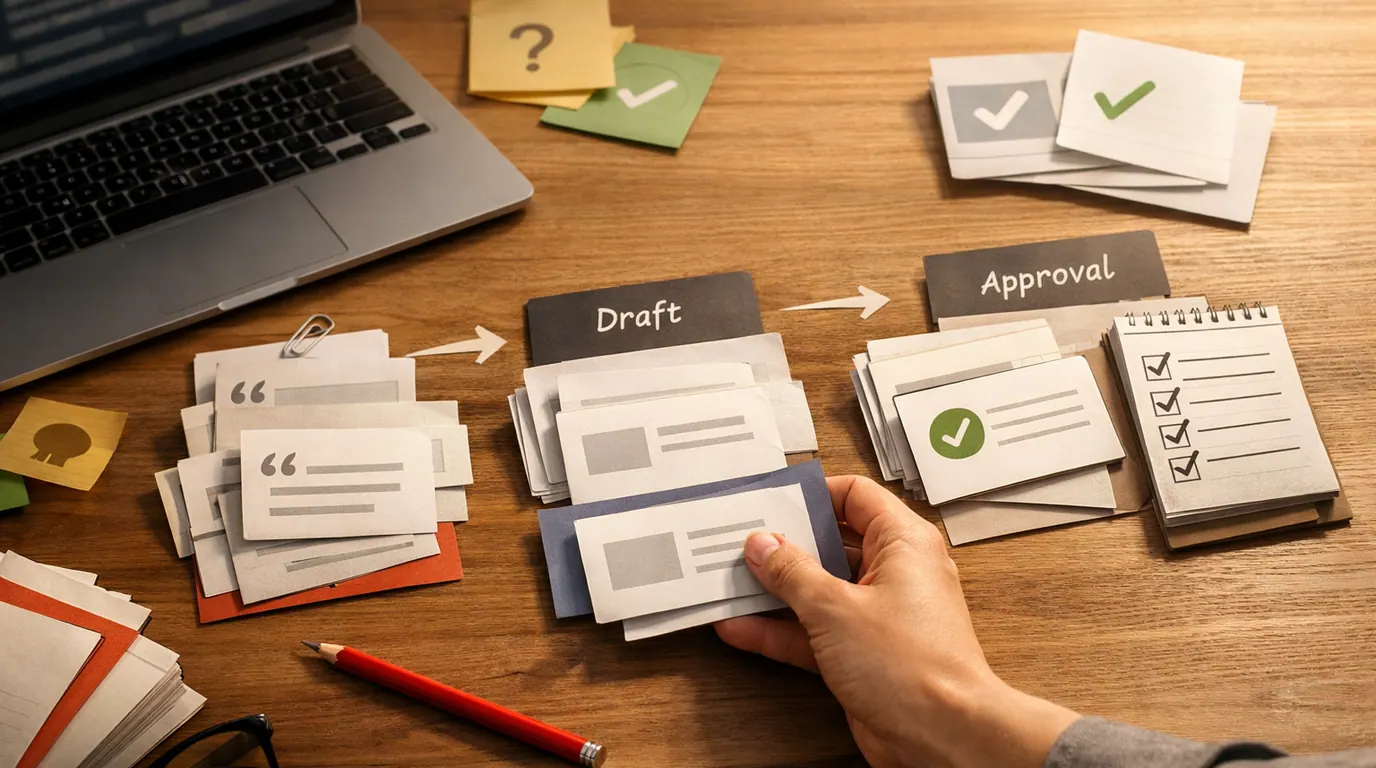
Human review point: do not let a generic script become your channel voice. Feed the tool source notes, viewer objections, examples from your own videos, and phrases you would actually say. For reusable script prompts, start with our ChatGPT prompts for YouTube scripts and the broader prompt structure in How to Write Better AI Prompts.
Gling and Descript for editing speech-heavy videos
Gling is a strong fit for YouTubers who record talking-head videos, interviews, tutorials, courses, or commentary and lose time removing bad takes, dead air, filler words, noise, and captions. Descript is broader: podcasting, screen recording, text-based audio and video editing, captions, summaries, and voice-adjacent workflows.
Best for: a creator recording a 25-minute raw tutorial who needs a first pass before creative editing. Let the tool remove obvious friction, then watch the cut normally and restore anything that matters for timing or personality.
Human review point: a transcript is not the same as a good edit. Look for jumpy cuts, removed pauses that helped the explanation breathe, captions that miss terms, and audio cleanup that makes the voice sound unnatural.
Invideo AI for prompt-to-video drafts
Invideo AI is useful when the bottleneck is creating a complete draft from a topic: script, voiceover, media, music, subtitles, and a basic edit. That makes it attractive for beginners, internal explainers, social video drafts, and faceless channel experiments.
Best for: turning a simple prompt such as “explain five budgeting mistakes for college students” into a draft video that you can inspect, rewrite, and rebuild with better examples.
Human review point: prompt-to-video tools can produce watchable but forgettable videos. Replace generic footage, verify every claim, rewrite the hook, and add something only your channel can provide: a demonstration, story, original framework, data, or opinion.
OpusClip and WayinVideo for Shorts repurposing
OpusClip and WayinVideo belong on the shortlist when the goal is to turn long-form content into YouTube Shorts, TikToks, Reels, or LinkedIn clips. They can identify possible highlights, reframe vertical video, add captions, and export social-ready variants.
Best for: a podcaster making six Shorts from a 60-minute interview, a gaming creator finding high-energy moments, or a software educator turning a long tutorial into short answer clips.
Human review point: the best moment is not always the best clip. Add context, remove misleading cuts, check captions, avoid taking guests out of context, and make sure the short has its own payoff. If the clip needs a title, description, and follow-up social workflow, compare it with our AI tools for social media shortlist.
vidIQ and TubeBuddy for optimization
vidIQ and TubeBuddy are not mainly editing tools. They help with YouTube packaging: keywords, titles, descriptions, thumbnail ideas or analysis, tags, competitor signals, channel data, and optimization workflows. For many creators, that is more valuable than another video generator because discovery problems often start before upload.
Best for: choosing between five title angles, checking whether a topic has search demand, improving a description, finding related questions, or building a publishing checklist before a video goes live.
Human review point: SEO tools can push creators toward searchable but dull videos. The title should match the actual promise, the thumbnail should not mislead, and the description should help viewers rather than only repeat keywords. For broader search thinking, see How to Use AI for SEO.
Adobe Podcast for voice cleanup
Adobe Podcast is a practical choice when the recording is good enough to save but not clean enough to publish comfortably. Enhance Speech can help with background noise and echo, especially for quick creator setups, remote interviews, and voiceover drafts.
Best for: improving a voice track recorded in a bedroom, office, or echo-heavy room before it goes into a full editor.
Human review point: audio repair is easy to overuse. Keep the original file, compare before and after, and listen for clipped words, metallic artifacts, flattened emotion, or music/noise that the tool mistakes for speech.
Runway and DomoAI for generative visuals
Runway and DomoAI fit the creative side of YouTube: image-to-video, stylized motion, generated B-roll, animation experiments, character motion, and scene ideas. These generative AI tools for YouTube are most useful when the visual is illustrative or conceptual, not when it must prove something happened.
Best for: creating abstract B-roll for a tech explainer, animated transitions for a story channel, stylized scenes for a music or commentary video, or visual concepts before filming.
Human review point: generated visuals can create rights, disclosure, and trust issues. Do not imply a generated scene is documentary evidence. Avoid recognizable faces or brands unless you have rights and a clear reason. For still-image workflows, use the review discipline in Best AI Image Generator.
Shotstack for automated video assembly
Shotstack is a better fit for developers, agencies, and content teams than solo creators who want a simple editor. It helps when video creation is a repeatable pipeline: templates, data-driven variants, captions, renders, product videos, localized clips, or batch creative.
Best for: a business generating many product videos from structured data, an education team creating lesson variants, or an agency that needs templated videos without hand-editing each one.
Human review point: automation turns small input errors into many bad outputs. Add preview checks, render monitoring, source validation, caption review, and a rollback plan. Among AI for YouTube automation tools, API systems need the clearest quality gate.
Sponscribe for sponsor outreach
Sponscribe is not a video creation tool, but it fits the YouTube creator workflow once a channel starts pitching brands. It can use channel data to draft sponsorship emails, replies, and outreach notes.
Best for: a creator with a defined niche, audience, recent video performance, and a sponsor list who needs more personalized first drafts.
Human review point: sponsorship outreach is a trust workflow. Verify the brand, personalize the pitch, remove fake urgency, check deliverables, and be alert to phishing. Never let AI send partnership promises, rates, exclusivity, or usage rights without your review.
AI Tools for YouTube Comparison: Pick by Bottleneck
Use this table when you are choosing between AI for YouTube platforms. The practical question is not “which tool has the most AI?” It is “which tool removes the bottleneck that keeps this channel from publishing better videos?”
| Bottleneck | Tools to try first | Good output | Human check |
|---|---|---|---|
| Weak video ideas | ChatGPT, Poppy AI, vidIQ, TubeBuddy | Topic angles, viewer promise, search questions, title directions, and outline options | Check whether the idea deserves a video and whether your channel has a real point of view. |
| Scripts sound generic | ChatGPT, Poppy AI, Descript summaries | Hooks, outline, first draft, critique pass, and voice rewrite | Add source notes, examples, personal language, and remove lines any channel could say. |
| Raw edits take too long | Gling, Descript, CapCut-style AI editors | First-pass cut, removed silences, filler-word cleanup, captions, chapters, and rough export | Watch the full timeline for pacing, jumps, missing context, and audio artifacts. |
| Need more Shorts | OpusClip, WayinVideo, Descript, CapCut | Vertical clips, highlight suggestions, captions, reframing, and social-ready exports | Make each clip understandable alone and check that edits do not distort the original point. |
| Titles and packaging are weak | vidIQ, TubeBuddy, ChatGPT | Title variants, keyword ideas, description drafts, thumbnail prompts, and upload checklist | Reject clickbait, unsupported promises, and thumbnails that misrepresent the video. |
| Audio quality is hurting retention | Adobe Podcast, Descript, Gling | Cleaner speech, reduced noise, captions, and better voice clarity | Compare against the original and keep the voice natural. |
| Need visuals you cannot film | Runway, DomoAI, Invideo AI, image generators | Generated B-roll, animation drafts, prompt-to-video scenes, and concept variants | Check realism, rights, disclosure needs, factual accuracy, and visual consistency. |
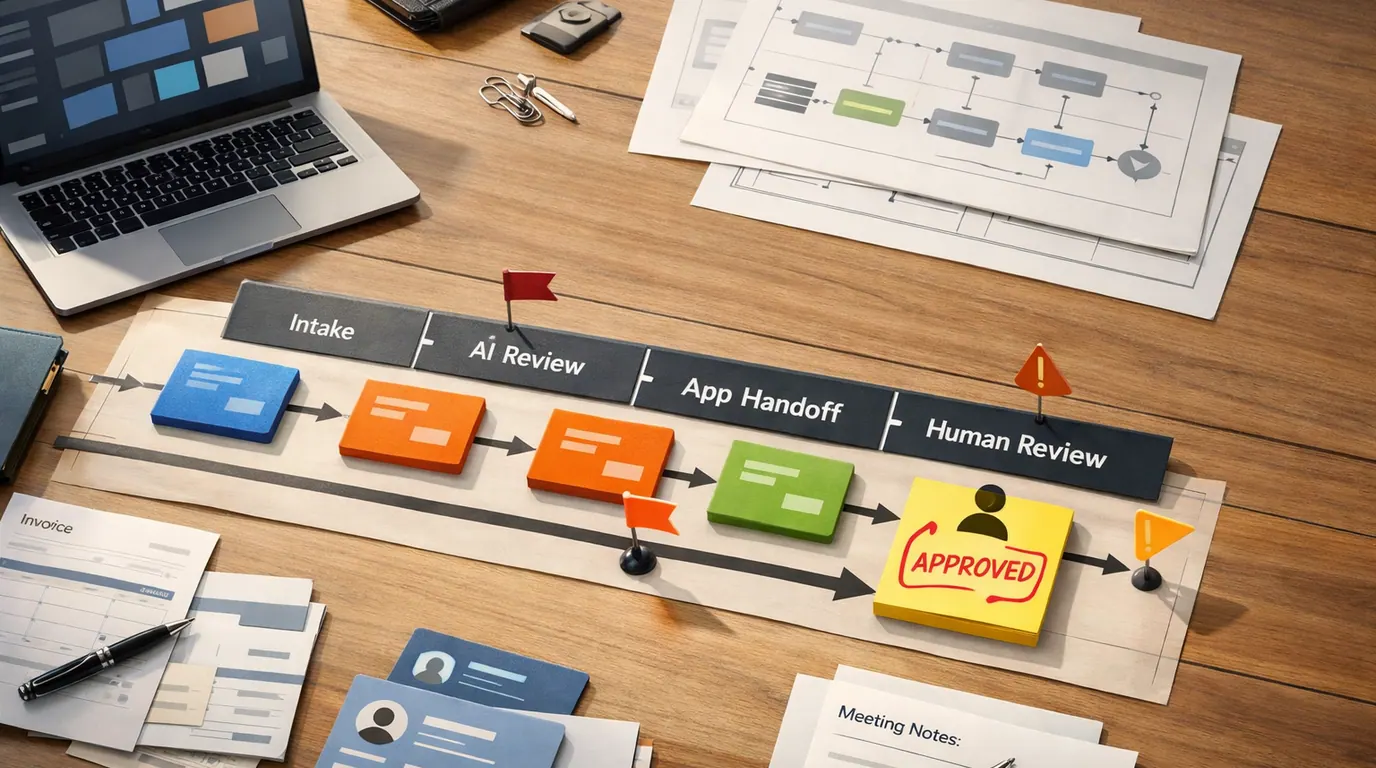
| Need programmatic scale | Shotstack, Invideo workflows, Zapier-style automations | Template-driven renders, batches, captions, variants, and repeatable handoffs | Add QA gates, logs, source validation, and approval before publishing. |
| Need sponsor outreach | Sponscribe, ChatGPT with verified channel notes | Personalized pitch drafts, replies, and brand-fit notes | Verify contacts, avoid spam, protect channel data, and approve every commercial claim. |
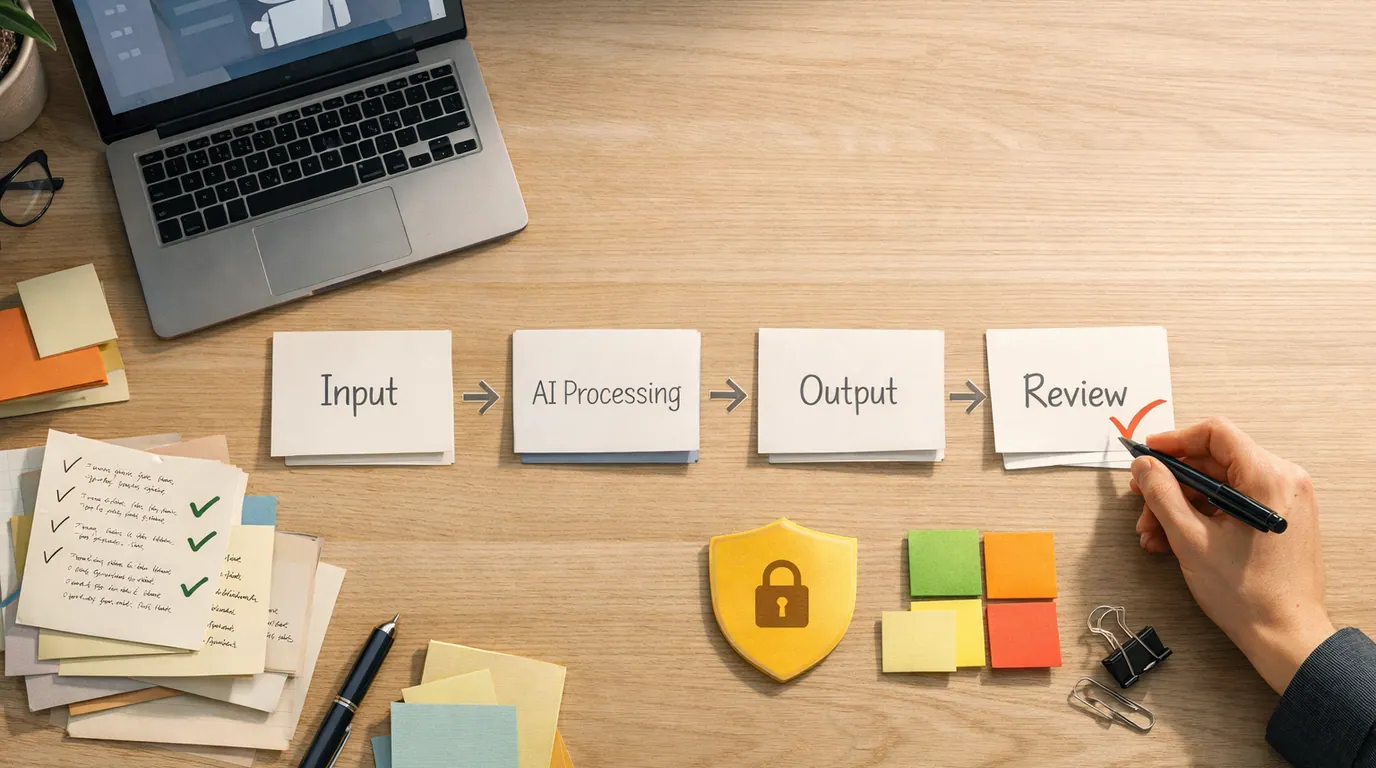
A weak YouTube AI stack creates more assets than you can responsibly review. A strong stack makes the next human decision clearer.
Build a Small YouTube AI Stack
Most creators should not subscribe to ten tools. Start with a small stack around the part of the workflow that repeats every week.
- Name the constraint. Write one sentence: “My channel loses time because…” Examples include slow scripts, bad rough cuts, weak titles, noisy audio, no Shorts pipeline, or too many repetitive production steps.
- Pick one category. Compare tools inside the same job. Do not compare Gling to vidIQ if the real problem is whether your raw footage takes too long to cut.
- Use one real video. Give both tools the same footage, transcript, source notes, or topic brief. Generic demos do not reveal enough about your channel.
- Measure cleanup cost. Count how much you must fix: facts, voice, pacing, captions, thumbnails, titles, exports, credits, watermarks, and privacy settings.
- Publish a reviewed test. Try the winner on one video or one small batch of clips. Watch comments, retention signals, and your own editing notes before expanding.
- Save the reusable system. Keep the brief, prompt, review checklist, export settings, naming rules, and final examples together so the workflow improves over time.
For a solo creator, a realistic starter stack might be ChatGPT for planning, Gling or Descript for editing, Adobe Podcast for emergency audio cleanup, and vidIQ or TubeBuddy for packaging. For a podcast or interview channel, add OpusClip or WayinVideo for Shorts. For a brand or agency, add a scheduling/social workflow and consider Shotstack only when template-based video volume justifies engineering time.
Free and Paid Plan Caveats
Start with free AI tools for YouTube when the work is low risk: brainstorming angles, cleaning a short audio sample, clipping one long video, testing title ideas, generating a rough concept, or learning whether transcript editing fits your style.
Check these details before upgrading:
- Credits and resets: video generation, clipping, transcription, and API rendering often consume credits by minute, model, export, or task.
- Watermarks and exports: free plans may watermark clips, limit resolution, block downloads after a period, or restrict editing.
- Commercial and monetization use: confirm terms for generated video, music, stock assets, voice, avatars, thumbnails, and client work.
- Connected channels: optimization and sponsorship tools may request YouTube channel access. Review permissions before connecting.
- Brand and voice controls: serious workflows need saved briefs, style rules, reusable prompts, approved terminology, and examples from your channel.
- Privacy and training: do not upload unreleased videos, contracts, sponsor terms, customer data, or private analytics into unapproved tools.
- Cancellation and lock-in: know whether you can export projects, captions, scripts, clips, reports, and templates before leaving a tool.
Exact pricing in this category ages quickly because AI video models, YouTube APIs, rendering minutes, storage, and credit systems keep changing. Treat any price you see in a roundup as a prompt to check the vendor page, not as procurement evidence.
Human Review, Disclosure, and Monetization Risks
YouTube creators should use AI to speed up reviewable work, not to bury weak ideas under more output. The biggest risk is not that a tool helps with a script or cut. The bigger risk is publishing repetitive, synthetic, low-value, misleading, or rights-unclear content at scale.
Works Well When
- Use AI to draft options, remove obvious editing friction, create captions, clean audio, summarize footage, and prepare title ideas.
- Keep source files, prompts, review notes, and exports organized so you can explain how a video was made.
- Disclose altered or synthetic realistic content when YouTube requires it, and add your own commentary, evidence, or creative work.
Watch Out For
- Do not upload batches of near-identical videos where only the background, voice, or stock footage changes.
- Do not use generated faces, voices, music, visuals, or brand assets without checking rights, consent, and disclosure rules.
- Do not let AI write sponsor claims, medical or financial advice, product promises, or controversial statements without human verification.
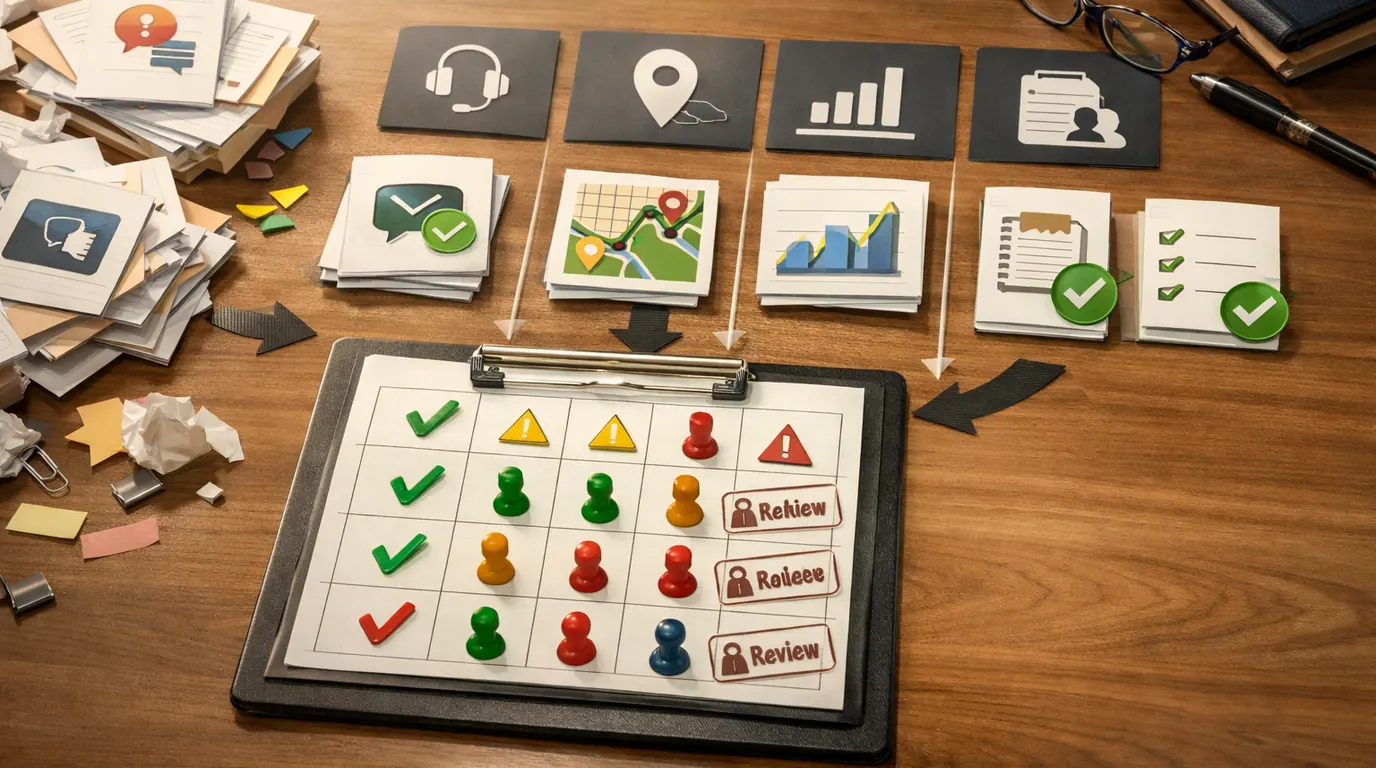
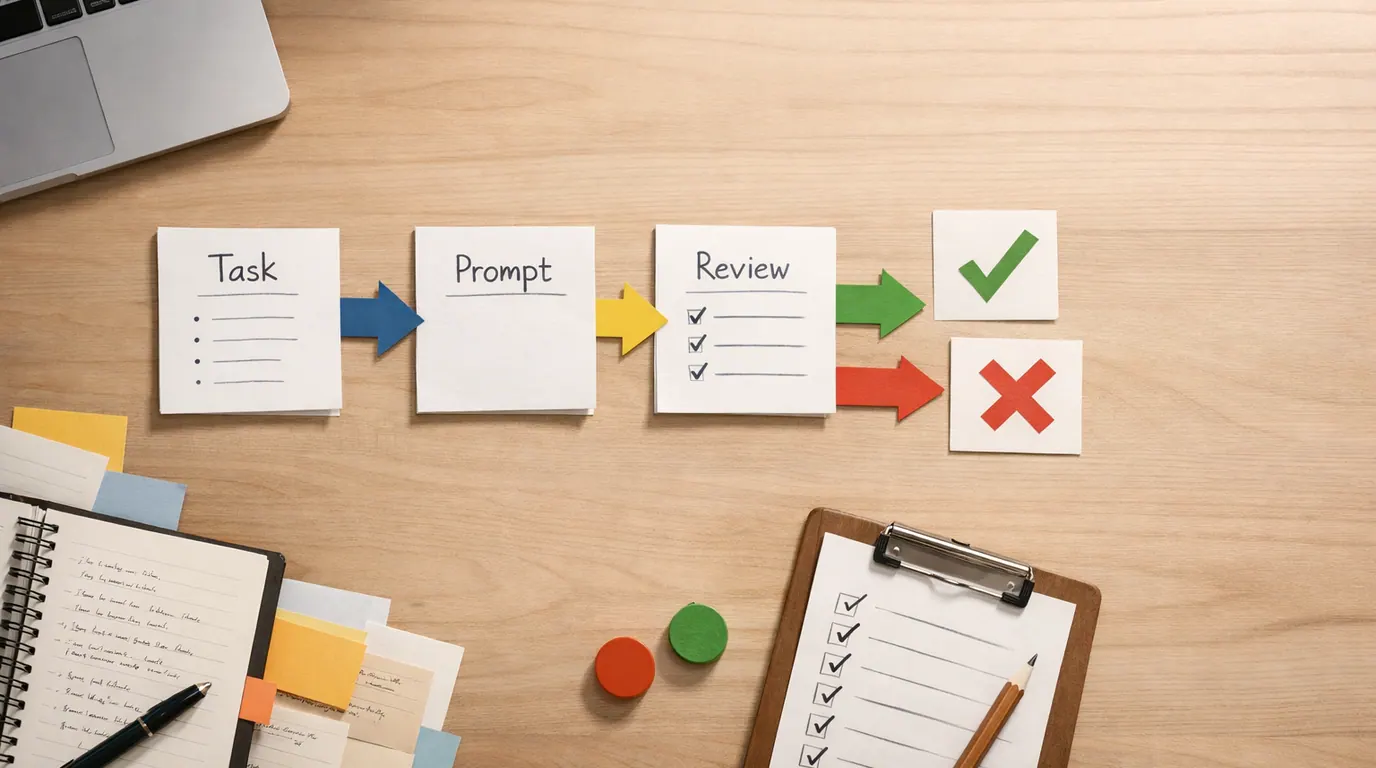
Use this review checklist before publishing an AI-assisted video:
- Viewer promise: does the title and thumbnail accurately match what the video delivers?
- Original value: did you add commentary, demonstration, examples, testing, curation, or a point of view?
- Facts and sources: are claims checked against real sources, not only an AI summary?
- Voice and pacing: does the script sound like your channel, and does the edit still feel watchable?
- Rights: are footage, music, images, voices, faces, and brand references safe to use?
- Disclosure: does any realistic altered or synthetic content need YouTube’s AI-use disclosure?
- Monetization: would a reviewer see meaningful original creation, not thin reused or repetitive content?
The Bottom Line
The best AI tools for YouTube are not the tools that promise full automation. They are the tools that help a creator make better decisions faster: a sharper premise, a tighter script, a cleaner edit, a better clip, clearer audio, a more honest title, or a repeatable review process.
If you are starting from scratch, choose one planning tool, one editing or clipping tool, and one optimization tool. Test them on a real video before adding generative visuals, automation APIs, or sponsorship outreach. When in doubt, buy less software and keep the review loop stronger.
Frequently asked questions
What are the best AI tools for YouTube creators?
The best AI tools for YouTube depend on the creator job. Use ChatGPT or Poppy AI for planning and scripts, Gling or Descript for talking-head edits, OpusClip or WayinVideo for Shorts, vidIQ or TubeBuddy for optimization, Invideo for prompt-to-video drafts, and Adobe Podcast for cleaner voice audio.
Are there free AI tools for YouTube?
Yes, several tools offer free starts, credits, trials, or limited plans. Free access is useful for testing scripts, audio cleanup, Shorts clipping, or basic optimization, but check watermarks, credit resets, export limits, connected channel limits, commercial rights, and whether your uploaded footage can be used safely.
Can I monetize YouTube videos made with AI?
AI assistance alone does not automatically block monetization, but low-value reused, repetitive, or misleading synthetic content can create problems. Add original scripting, commentary, editing, examples, and human judgment. If realistic content is meaningfully altered or synthetic, follow YouTube disclosure requirements.
Which AI tool is best for YouTube Shorts?
For Shorts from long videos, start with OpusClip or WayinVideo, then review every clip for context, pacing, captions, and viewer promise. AI can find likely highlights, reframe vertical video, and add captions, but it can also remove the setup that makes a moment understandable or fair.
How should I compare AI for YouTube software?
Compare tools with one real workflow: plan one video, draft the script, edit a raw clip, create two Shorts, generate titles, and clean the audio. Score each tool by edit distance, export quality, review control, privacy, pricing limits, integrations, and whether it makes the final video better or only faster.
What should humans review before publishing AI-assisted YouTube content?
Review the premise, facts, title promise, script voice, pacing, visual rights, music rights, synthetic voice or likeness use, disclosure needs, captions, thumbnail accuracy, sponsorship claims, and whether the video adds original value. AI should make the work easier to inspect, not remove the inspection.