If you searched for “Best AI tools for presentations,” the useful answer is not a 30-tool directory. It is a shortlist matched to the deck you need to ship: a client proposal, board update, classroom lesson, sales deck, investor pitch, product training, webinar, or internal status report.
AI presentation tools are strongest at removing the blank-slide problem. They can turn a rough idea, outline, document, PDF, URL, or set of notes into a first draft with structure, layouts, and sometimes speaker notes. They are weaker at strategy, evidence, nuance, sensitive claims, and final delivery.
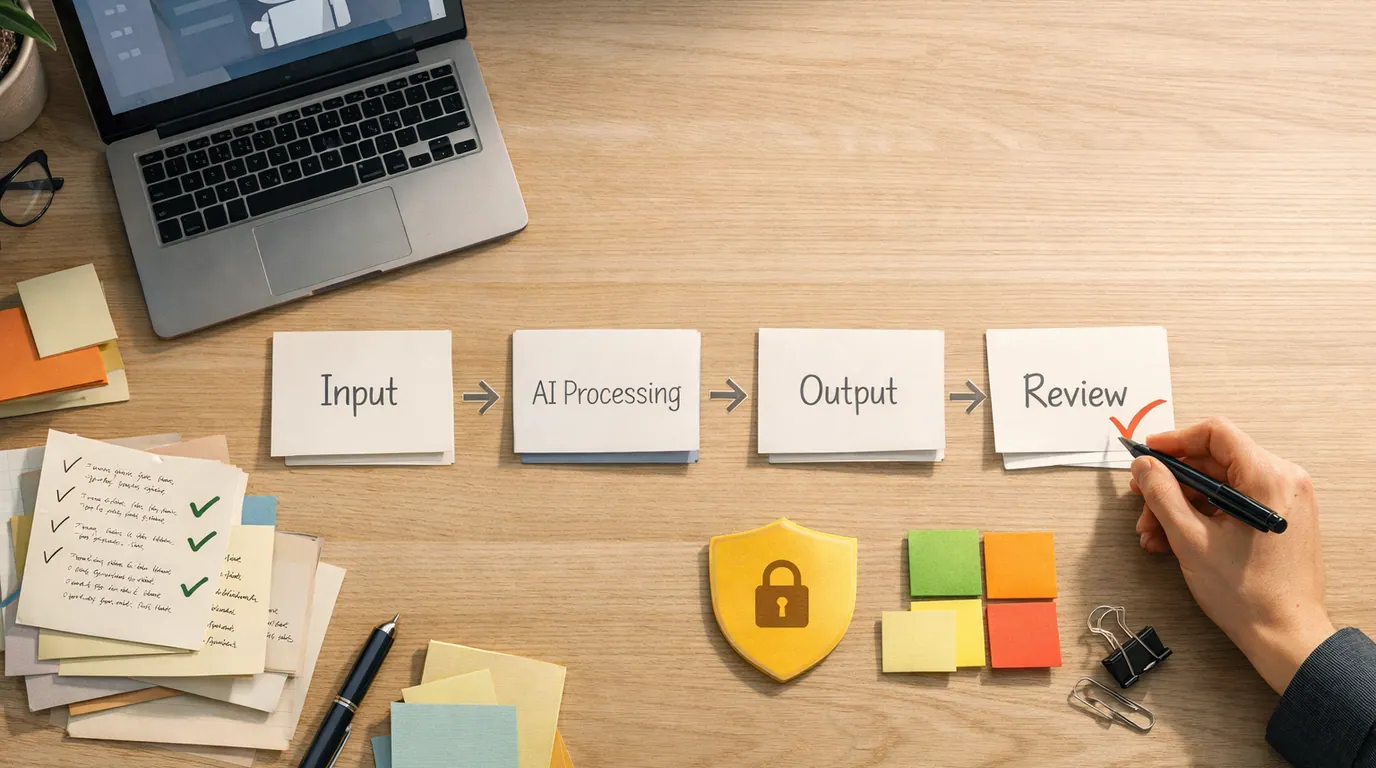
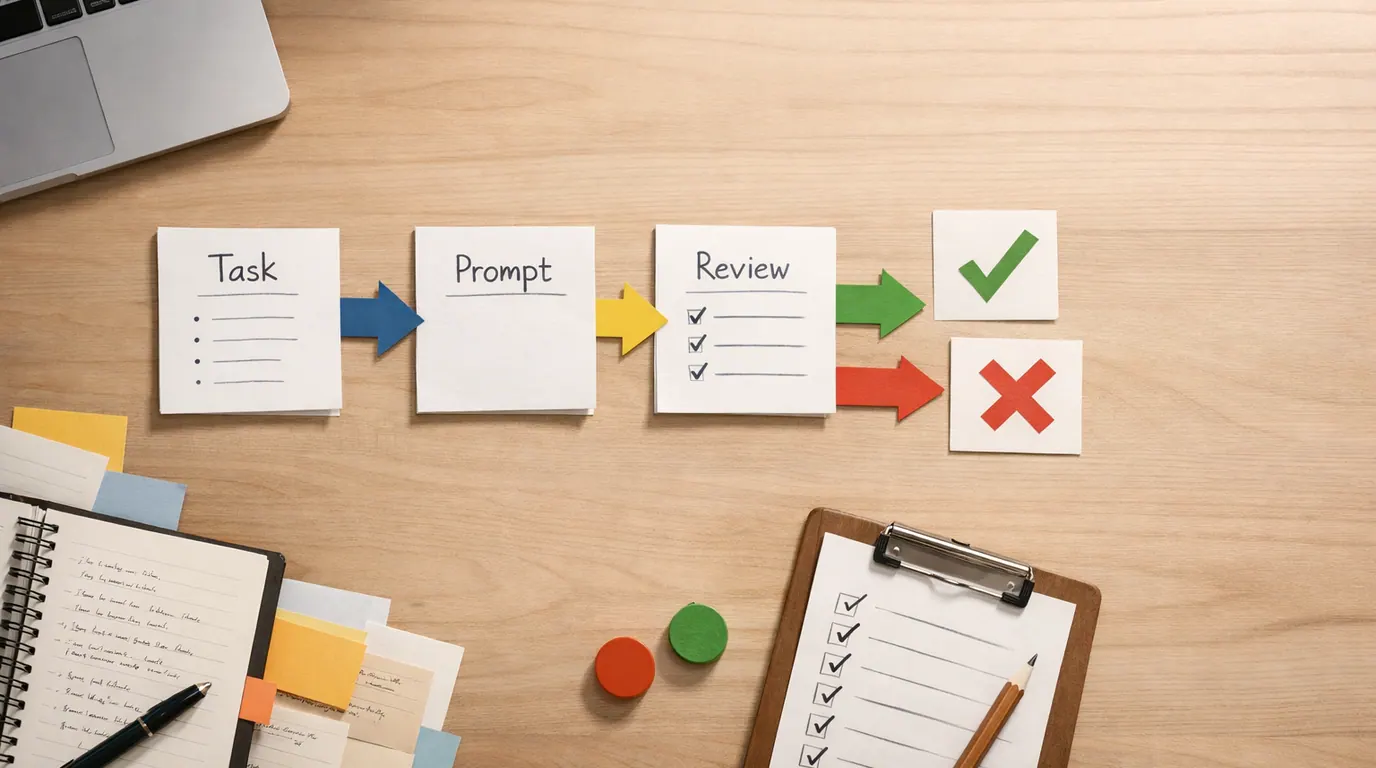
Use this AI presentation tools guide as a buying and workflow filter. Pick the deck job first, choose one tool category, test export quality, then assign a human review point before the deck leaves your workspace.
Choose by the outcome: web-first story, PowerPoint handoff, branded sales deck, class lesson, or quick visual draft.
The right tool gets you closer to a presentable deck with fewer rewrites, layout fixes, and export repairs.
Check facts, numbers, sources, brand fit, private data, accessibility, and whether the file survives handoff.
Quick Picks: Best AI Presentation Tools by Job
Start with the “Best for” column. The best AI presentation tools are not interchangeable: a web-first deck builder, a design suite, a PowerPoint-native assistant, and a template marketplace solve different problems.
| Pick | Best for | Why it fits | Limit | Pricing/free-plan note |
|---|---|---|---|---|
| Gamma | Fast web-first decks, proposals, updates, courses, and async share links | Gamma is useful when you want to turn an idea or outline into a polished, shareable presentation without designing every slide from scratch. | PowerPoint export, detailed corporate formatting, and slide-by-slide editability still need checking before client handoff. | A start-free entry is advertised. Check current credits, exports, brand controls, analytics, and team limits. |
| Canva | Visual marketing decks, social repurposing, education, simple pitch decks, and teams that need a broad design suite | Canva combines AI presentation drafts with templates, stock assets, brand kits, writing help, translation, animation, and image tools. | It can be stronger inside Canva than after a PowerPoint export. Expect manual cleanup for precise business decks. | Canva has free and paid plans. Check current Magic Design, Brand Kit, AI generation, export, and collaboration limits. |
| Microsoft 365 Copilot in PowerPoint | PowerPoint-native business decks, enterprise templates, existing Microsoft files, and teams that cannot switch tools | It works inside PowerPoint, so the deck stays close to familiar themes, files, comments, and enterprise workflows. | It is not the most visually adventurous option, and output depends on prompt quality plus available source material. | Copilot in PowerPoint requires an eligible Microsoft 365 subscription and is not included with free PowerPoint. |
| Presentations.AI | Branded corporate decks, sales decks, board updates, document-to-deck work, and repeatable business presentations | It can start from topics, notes, documents, PDFs, URLs, and data sources, then produce structured decks with brand and export support. | Teams should verify privacy, data connectors, brand sync, and export fidelity before using it for sensitive or regulated work. | A free-start credit model is advertised. Check current credits, PowerPoint export, branding, collaboration, and enterprise controls. |
| Adobe Express | Turning files or prompts into editable presentation drafts inside a general creative suite | Adobe Express can start from prompts or source files and then use templates, assets, collaboration, and PowerPoint/PDF download options. | It is a strong first-draft and design workspace, not a guarantee that a high-stakes deck is ready to present. | Adobe lists a free plan, with limited complimentary presentation generations before paid plans may be needed. |
| Slidesgo | Free AI presentation starts, classroom decks, student projects, template-heavy business slides, and quick PPTX downloads | Slidesgo is useful when you want a topic-to-deck draft, many templates, and editable PPTX output for PowerPoint or Google Slides. | Template quality and originality still need review. It may not fit executive, consulting, or highly custom brand decks. | The AI presentation maker is positioned as free. Check account requirements, usage limits, licensing, and export terms. |
| Plus AI | Teams that want AI inside Google Slides or PowerPoint instead of another standalone editor | Plus AI fits users who need to generate, rewrite, or reformat slides while staying inside existing slide tools. | It inherits the design and workflow constraints of the host app. It may be less useful if you want a full AI-native deck environment. | Check current vendor pricing, marketplace terms, trial availability, and host-app requirements. |
| Beautiful.ai | Brand-controlled business decks, recurring team presentations, and users who want layouts to stay consistent | Beautiful.ai is a fit when the pain is keeping decks clean, formatted, and on brand across many contributors. | Smart layout rules can feel restrictive when you need unusual structures or very custom slide design. | Check current plans, trial terms, export rules, brand controls, and team administration. |
| Alai or Prezi | Design-forward AI-native decks or more dynamic presentation storytelling | Alai emphasizes complete AI-drafted decks with context-aware refinement. Prezi is worth considering when the story benefits from movement and non-linear navigation. | Treat both as workflow tests before adopting. Make sure the output, export path, and delivery style match your audience. | Check current pricing, free trials, export options, analytics, and collaboration limits before relying on either. |
A presentation tool earns its keep when it gives you a deck you can argue with, edit, and hand off without rebuilding every slide.
Selection Method: How We Chose
This shortlist is based on the supplied research packet, current SERP patterns for “ai presentation tools,” and official product pages checked during drafting on June 17, 2026. It is not a hands-on benchmark, security audit, live pricing database, or claim that each product was tested with the same prompt.
The evaluation criteria were practical:
- Deck job: which presentation scenario the tool is best positioned to solve.
- Input flexibility: whether it can start from a prompt, outline, PDF, Word doc, PowerPoint file, URL, spreadsheet, or existing deck.
- First-draft usefulness: whether the output has a clear story, slide sequence, visual hierarchy, and enough structure to edit.
- Editability and export: whether a person can revise the deck and whether PPTX, PDF, Google Slides, or link sharing works for the handoff.
- Brand and team fit: whether it supports brand kits, templates, collaboration, permissions, analytics, and repeatable workflows.
- Risk shape: what a human must check before the deck is presented, shared, or sent to a customer.
- Commercial caveats: whether free plans, credits, exports, AI usage, data handling, and team controls could affect the real cost.
For current details, check vendor pages before subscribing or uploading sensitive work: Gamma, Canva AI presentations, Microsoft Copilot in PowerPoint, Presentations.AI, Adobe Express presentation generator, Slidesgo AI Presentation Maker, Plus AI, Beautiful.ai, Alai, and Prezi. Pricing, free generations, export rules, and AI credits can change faster than a roundup article.
Compare the Main AI Presentation Software Patterns
An AI presentation tools comparison is only useful when you compare tools that solve the same kind of problem. These are the main patterns to separate before you start a trial.
| Pattern | Best fit | Examples | Human-review point |
|---|---|---|---|
| Standalone AI deck builder | Prompt-to-deck work, fast story structure, web-first sharing, and new presentations from rough ideas | Gamma, Presentations.AI, Alai, Decktopus | Review story logic, unsupported claims, export fidelity, and whether the deck works outside the native viewer. |
| Design suite with AI slides | Marketing, education, social repurposing, visual assets, and teams that need more than presentations | Canva, Adobe Express | Review brand fit, licensing, PowerPoint cleanup, image rights, and whether design polish hides weak content. |
| Native PowerPoint or Google Slides AI | Teams that must stay in existing slide tools, templates, comments, and file systems | Microsoft 365 Copilot, Plus AI, Gemini in Google Slides | Review whether AI output follows the template, preserves editability, and uses approved source material. |
| Template-first or free maker | Students, teachers, simple business drafts, and budget-conscious users testing free AI presentation tools | Slidesgo, SlidesAI, Google Slides templates | Review originality, licensing, slide density, and whether the deck looks too template-like for the audience. |
| Brand-controlled business platform | Recurring team decks, sales proposals, board reports, and strict visual consistency | Beautiful.ai, Prezent, Pitch, Presentations.AI | Review admin controls, brand rules, permissions, analytics, and cancellation or migration risk. |
| Presentation automation layer | Recurring sales decks, data updates, proposal variants, and AI presentation automation tools | Presentations.AI, Gamma API, Zapier-connected deck workflows | Review data sources, refresh rules, approval gates, and what happens when connected data changes. |
| Dynamic storytelling canvas | Keynotes, workshops, education, visual narratives, and nonlinear talks | Prezi | Review whether movement helps comprehension or distracts from the decision the audience must make. |
This is why AI presentation software should be evaluated by workflow, not novelty. If your company lives in PowerPoint, native editing may matter more than a beautiful web deck. If your audience clicks a link asynchronously, a web-first presentation may beat a traditional file.
Product Notes: Best Fits, Limits, and Review Points
Gamma
Gamma is one of the easiest starting points when the presentation is also a shareable document, landing-style narrative, proposal, lesson, or async update. It is especially useful when you want a polished first draft from an idea, outline, or imported content and you plan to share the result as a link.
Everyday example: a founder turns a messy launch plan into a 10-slide product update, then shares the link with advisors before converting the strongest version into a board deck.
Human review point: check whether the deck still works when exported. If the final recipient expects a clean PPTX, open the file in PowerPoint, edit several slides, and confirm fonts, images, charts, and slide order before sending.
Canva
Canva is a good fit when presentations are part of a broader content workflow. Marketing teams, educators, freelancers, and small businesses can create a deck, resize parts into social graphics, add AI-generated images, animate slides, translate text, and stay near brand assets.
Everyday example: a marketing manager creates a webinar deck, then repurposes three slides into LinkedIn carousels and a newsletter image without leaving the same design workspace.
Human review point: do not assume a visually pleasing Canva deck is ready for a PowerPoint-heavy client. Test exports, clean up spacing, and verify that generated images, translated text, and speaker notes are accurate.
Microsoft 365 Copilot in PowerPoint
Copilot is the practical choice for teams that already work in Microsoft 365 and need presentations to stay inside PowerPoint. It can help draft outlines, create slides, rewrite content, add speaker notes, and work near existing Word documents or company templates when the account and plan support it.
Everyday example: a project lead starts from a status memo and asks Copilot to create an executive update deck. The team then edits in PowerPoint, adds real metrics, and leaves comments for finance and operations.
Human review point: Copilot is close to the source files, but proximity is not proof. Check whether it used the right document, whether old data slipped in, and whether the deck follows the approved template.
Presentations.AI
Presentations.AI is a stronger candidate when the presentation is a repeatable business asset: sales proposal, board update, training deck, quarterly report, or customer-specific narrative. Its positioning around documents, URLs, brand sync, native PPT export, and data-driven updates makes it relevant for readers evaluating AI presentation platforms rather than one-off slide generators.
Everyday example: a sales team starts from a master deck, changes the prospect context, updates data from connected systems, and creates a tailored proposal draft for review.
Human review point: recurring deck automation creates recurring risk. Verify data sources, update rules, account permissions, brand settings, and who approves each generated proposal before it reaches a customer.
Adobe Express
Adobe Express fits readers who want a general creative workspace that can turn prompts or existing files into a presentation draft. It is useful for people who already use Adobe tools, need editable templates, want to start from PDFs or Office files, or need to collaborate and download a PowerPoint or PDF output.
Everyday example: a training manager uploads an onboarding document, generates a draft deck, edits the outline, adds approved visuals, and exports a PowerPoint for the facilitator.
Human review point: file-to-deck generation can compress too much. Review the outline before generating, then check that the final deck preserves the parts of the source document that actually matter.
Slidesgo
Slidesgo is a practical budget-conscious option for teachers, students, freelancers, and simple business decks. It emphasizes a free AI presentation maker, template selection, editing control, and PPTX output that can continue in PowerPoint or Google Slides.
Everyday example: a teacher creates a lesson deck from a topic, picks a style, edits the examples, and exports the PPTX to adjust activities in Google Slides.
Human review point: template-first decks can look generic. Check slide density, accessibility, image licensing, citations, and whether the examples match your audience.
Plus AI, Beautiful.ai, Alai, and Prezi
Plus AI belongs on the shortlist when the requirement is “stay in Google Slides or PowerPoint.” It is less about replacing your slide tool and more about adding generation, rewriting, and formatting help inside the tools your team already uses.
Beautiful.ai is worth considering when the pain is brand consistency and recurring team decks. Smart slide behavior can reduce layout drift, but the same guardrails can feel limiting for unusual slide structures.
Alai is a design-forward AI-native option to test if you care about context across a whole deck and want an editable AI-drafted presentation rather than a traditional template flow. Prezi is a better fit when the presentation benefits from motion, spatial storytelling, workshops, or teaching.
Human review point: run one real deck through any of these before committing. Measure how much cleanup remains after export, how well collaborators can edit it, and whether the delivery format fits the audience.
Free Plans, Pricing Caveats, and Lock-In
Free AI presentation tools are useful for exploration. They are not always safe for recurring work, client decks, confidential material, or teams that need strict exports and admin controls.
Before adopting any tool, check:
- Usage limits: AI credits, generations, slide counts, uploads, storage, exports, and watermark rules.
- Export quality: whether PPTX, PDF, Google Slides, images, animations, charts, and speaker notes survive the handoff.
- Brand controls: whether the tool can enforce fonts, colors, layouts, logos, tone, templates, and approval rules.
- Data handling: whether prompts, files, transcripts, PDFs, customer data, and generated decks are retained or used for model improvement.
- Collaboration: comments, roles, guest access, version history, shared workspaces, analytics, and admin controls.
- Cancellation risk: whether you can export editable files, preserve brand assets, and keep deck history if you leave.
If budget is the main constraint, use the broader shortlist in Best Free AI Tools to compare no-cost starting points. Upgrade only when a real presentation workflow is blocked by limits, privacy, export quality, collaboration, or brand controls.
A Practical Workflow for a Better AI-Generated Deck
Generative slide features are useful, but generative AI presentation tools work best when you give them the raw material a good presentation designer would ask for. A vague prompt creates a vague deck. A specific brief creates something worth editing.
Use this next-action framework:
- Name the audience and decision. Write who will see the deck, what they know already, and what they must decide after the presentation.
- Give source material. Add the outline, memo, report, data notes, product brief, customer objections, or approved source document. Do not ask the tool to invent evidence.
- Specify the deck type. State whether this is a sales proposal, board update, class lesson, investor pitch, webinar, training deck, or internal status report.
- Ask for a structure before slides. Review the story arc, section order, claims, and missing evidence before generating the final deck.
- Generate, then cut. AI drafts often over-explain. Remove duplicate slides, split crowded slides, and turn generic bullets into examples or visuals.
- Run the handoff test. Export the file, open it in the final tool, edit a few slides, check presenter notes, and confirm that the deck still looks intentional.
Use this prompt pattern when the input is still messy:
Create a presentation outline for [audience] who need to decide [decision]. Use only the facts from [source material]. Make the deck [number] slides. For each slide, give the slide purpose, key message, visual idea, evidence needed, and human review note. Flag any claim that needs a source before the deck is generated.
If the prompt itself is the bottleneck, use the structure in How to Write Better AI Prompts before choosing another tool.
Human Review Points AI Cannot Own
AI can draft a deck. It cannot own the stakes of the presentation.
Works Well When
- Use AI to create outlines, first drafts, alternate slide structures, speaker-note drafts, translation drafts, visual directions, and repetitive formatting passes.
- Use AI to turn source documents into a reviewable deck when a person will check the story, facts, charts, and final audience fit.
- Use AI presentation automation tools for recurring sales, report, or proposal variants only after source data, approval gates, and export checks are stable.
Watch Out For
- Do not ship AI-generated financial claims, legal language, medical guidance, customer promises, or cited statistics without source verification.
- Do not paste confidential files, customer data, employee records, unreleased strategy, or private meeting transcripts into tools your organization has not approved.
- Do not treat a beautiful deck as a finished deck. Review narrative flow, accessibility, image rights, slide density, presenter notes, and file editability.
For research-heavy decks, pair the tool with the source discipline in How to Use AI for Research. For recurring deck handoffs, the approval and monitoring habits in AI Workflow Automation are more important than another slide template.
The Bottom Line
The best AI presentation tools are job-specific. Pick Gamma for fast web-first narratives, Canva for visual content workflows, Copilot for PowerPoint-native teams, Presentations.AI for repeatable branded business decks, Adobe Express for file-to-deck drafts, Slidesgo for free template starts, and Plus AI when you need to stay inside Google Slides or PowerPoint.
Then run one real deck through the tool before you pay. Measure edit distance, export quality, brand fit, privacy comfort, and human review effort. A good AI deck tool should reduce the blank-slide burden without taking ownership of the message away from the person presenting it.
Frequently asked questions
What are ai presentation tools?
AI presentation tools help turn prompts, outlines, documents, URLs, or existing decks into slide drafts. The useful ones do more than generate bullets: they help structure the story, choose layouts, apply a brand style, create speaker notes, export editable files, and leave a clear place for human review.
Which AI tool is best for making presentations?
There is no single best tool for every deck. Gamma fits fast web-first narratives, Canva fits visual marketing decks, Microsoft Copilot fits PowerPoint-native teams, Presentations.AI fits branded business decks, Slidesgo fits free template-based starts, and Adobe Express fits document-to-presentation drafts.
Are free AI presentation tools good enough?
Free AI presentation tools are good enough for class projects, rough outlines, template exploration, and testing whether a workflow saves time. They are usually weaker for brand controls, export quality, usage limits, team permissions, private data handling, analytics, and high-stakes business handoffs.
Can AI create editable PowerPoint presentations?
Yes, several tools can create or export PowerPoint files, including Microsoft Copilot in PowerPoint, Gamma, Presentations.AI, Adobe Express, Slidesgo, and Plus AI. Always open the exported deck before sending it. Text boxes, charts, fonts, animation, and layouts may need cleanup after conversion.
How should I compare AI presentation software?
Compare AI presentation software by the source input it accepts, the story quality of the first draft, whether the slides remain editable, brand-kit support, export formats, collaboration, privacy controls, pricing limits, and the human review point. A pretty demo matters less than a deck your team can safely revise.
What still needs human review in an AI-generated deck?
Human review is required for facts, numbers, sources, customer promises, financial claims, legal or medical language, private files, chart accuracy, accessibility, image rights, brand fit, and final speaker notes. AI can prepare the deck, but a person should own the message and the risk.