If you searched for “perplexity vs chatgpt vs gemini,” the useful answer is not a single winner. These tools overlap, but they are built around different jobs: finding sourced answers, thinking and creating in a general workspace, and working close to Google’s apps.
The fastest way to choose is to stop asking which model is smartest and ask which workflow is blocked. Do you need source links you can open? A long drafting and analysis session? Help inside Gmail, Docs, Sheets, Drive, or Google-style research? That question usually decides the shortlist faster than another feature table.
Treat this as a practical perplexity vs ChatGPT vs gemini guide for everyday work. It covers quick picks, source basis, product-level recommendations, examples, pricing caveats, and the human checks that still matter before you send, cite, publish, or buy.
Use Perplexity for source-backed research, ChatGPT for broad creation, and Gemini for Google-centered workflows.
The best tool gives you links, drafts, files, tables, or decisions you can inspect before acting.
Pricing, plan names, model access, quotas, and data controls change. Check vendor pages before committing.
Quick Picks: Perplexity vs ChatGPT vs Gemini
Readers searching “best perplexity vs ChatGPT vs gemini” usually need a buying or workflow decision, not a philosophical ranking. Start with the job column.
| Pick | Best for | Why it fits | Limit | Pricing/free-plan note |
|---|---|---|---|---|
| Perplexity | Research orientation, source discovery, fact-checking, market scans, and current-topic exploration | It is built like an answer engine: the workflow pushes you toward sourced answers, follow-up searches, and links you can open. | A source link is not proof. It can cite weak pages, miss primary sources, or summarize a page in a way the page does not fully support. | Free and paid access exist, but search depth, model choice, file features, and enterprise controls can change. Check current Perplexity plan pages. |
| ChatGPT | General assistant work, drafting, planning, coding help, file analysis, brainstorming, critique, and reusable prompts | It is the strongest default when the work is broad and conversational: turn messy input into outlines, drafts, tables, code explanations, plans, or review checklists. | It can sound certain without enough evidence. Treat factual claims, citations, calculations, code, and customer-facing language as drafts until reviewed. | Free, paid individual, business, and enterprise options can differ by model, quota, admin controls, and app access. Check current OpenAI pricing and terms. |
| Gemini | Google Workspace habits, Gmail, Docs, Sheets, Drive, Calendar, multimodal prompts, and Google-centered document workflows | It fits when the value comes from being close to Google files, email, spreadsheets, and the ecosystem where the work already lives. | Its advantage weakens if your work is not in Google tools or if you need a neutral source trail outside your workspace. | Free, paid Google AI, Workspace, education, and regional access can vary. Check current Google plan packaging and data settings. |
This is the core perplexity vs ChatGPT vs gemini strategy: use the product’s default strength, then make the output pass a human review step. Treat the three tools as roles in a workflow, not as three tabs fighting for one permanent subscription.
How We Chose
This comparison uses the supplied research packet, SERP patterns around Perplexity, ChatGPT, and Gemini, and a limited check of official vendor pages on June 24, 2026 for broad plan caveats. It is not a hands-on benchmark, security review, live procurement audit, or claim that every tool was tested under identical prompts.
For current plan details, verify the vendor pages directly: ChatGPT pricing, Perplexity Pro, Perplexity Pro help, and Gemini plans. Pricing, free tiers, credits, supported models, admin controls, and regional access can change faster than comparison articles.
The evaluation criteria were practical:
- Workflow fit: Does the tool solve source discovery, creation, analysis, coding, Google work, or document handling better than the others?
- Reviewability: Can a person inspect the source links, draft, code, spreadsheet logic, file summary, or next action?
- Context access: Does the tool work near the web, user files, workspace apps, or uploaded material needed for the task?
- Commercial fit: Are free-plan limits, paid features, exports, team controls, model menus, and cancellation risk clear enough to evaluate?
- Human risk: What happens if the answer is wrong, private, stale, biased, copyrighted, or used as a source of record?
The research pattern is consistent: Perplexity is usually framed as the research-first, source-backed option; ChatGPT as the broad generalist; and Gemini as the Google-native assistant. The right choice depends on which of those jobs you actually repeat.
Product Recommendations by Use Case
Perplexity for sourced research and fast verification
Choose Perplexity when the first job is orientation: find relevant pages, compare what sources say, build a source trail, and decide what to open next. It is especially useful for market research, product comparisons, current topics, competitor scans, and checking claims from another AI answer.
Everyday example: before writing a vendor comparison, ask Perplexity for the main differences, official pages to inspect, customer concerns to investigate, and questions that remain unresolved. Then open the cited pages and build your own notes.
Human review point: never treat a Perplexity answer as the source of record. Open the original source, check the date, inspect whether the source really supports the claim, and cite the original page or document. For deeper source habits, use the workflow in How to Use AI for Research.
ChatGPT for drafting, thinking, coding, and flexible work
Choose ChatGPT when the job is broad: draft an email, turn notes into an outline, brainstorm product angles, explain code, analyze a file, create a checklist, critique a plan, or help you iterate through an unclear problem. It is often the best default if you want one assistant before building a stack.
Everyday example: paste meeting notes, product constraints, and a rough goal. Ask ChatGPT to return a decision memo, risks, open questions, and a review checklist. Then check the facts, numbers, owners, and tone before sending it to anyone.
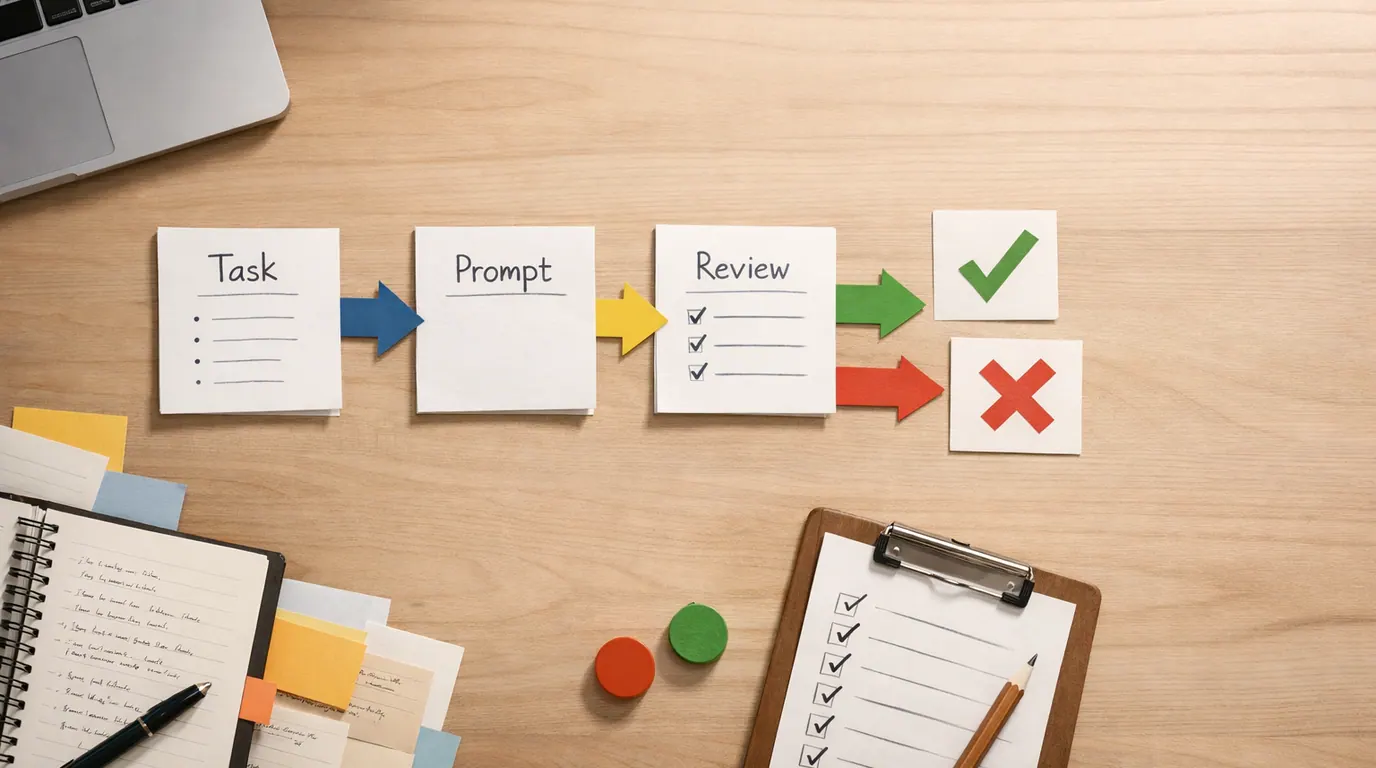
Human review point: ChatGPT is useful because it can create structure quickly. That same fluency can hide missing evidence. Use the task, context, criteria, format, and review pattern from How to Write Better AI Prompts so the output is easier to inspect.
Gemini for Google-centered workflows
Choose Gemini when your work is already anchored in Google habits: Gmail, Docs, Sheets, Drive, Calendar, visual inputs, and Google-side research or document workflows. The advantage is not only the chat answer. It is the possibility of working closer to the files, messages, and spreadsheets you already use, depending on your plan and account type.
Everyday example: use Gemini to draft a project update from a Google Doc and related notes, then check the numbers against a Sheet and the commitments against the original email thread before sharing.
Human review point: workspace context is powerful only when the source files are current, permissions are correct, and the person approving the output understands the context. For a ChatGPT gemini choice, ask whether the work belongs in a flexible standalone assistant or inside Google-side files and communication.
Compare the Perplexity vs ChatGPT vs Gemini Use Cases
The most useful perplexity vs ChatGPT vs gemini use cases are ordinary work tasks. Compare tools with examples from your last week, not with abstract prompts.
| Use case | Start with | Good output | Human review point |
|---|---|---|---|
| Current market or product research | Perplexity | Source-linked overview, key players, disagreements, official pages, and follow-up questions | Open primary sources, check dates, and avoid citing the AI summary. |
| Long memo, brief, or article draft | ChatGPT | Outline, argument, draft, critique, missing-evidence list, and revision options | Verify claims, preserve voice, and remove unsupported statements. |
| Google Docs, Gmail, Sheets, or Drive work | Gemini | Drafts, summaries, spreadsheet explanations, and project updates close to Google files | Confirm file permissions, source freshness, numbers, names, and commitments. |
| Fact-checking another AI answer | Perplexity, then source pages | Links that help you confirm or reject a claim | Use original pages as evidence, not the Perplexity answer. |
| Coding help or technical explanation | ChatGPT, then Gemini if Google context matters | Bug explanation, small fix, test ideas, and assumptions | Run tests, review security, and avoid pasting secrets. |
| Student or personal learning | ChatGPT or Gemini, with Perplexity for sources | Plain explanation, practice questions, source leads, and study checklist | Follow school rules and do the final reasoning yourself. |
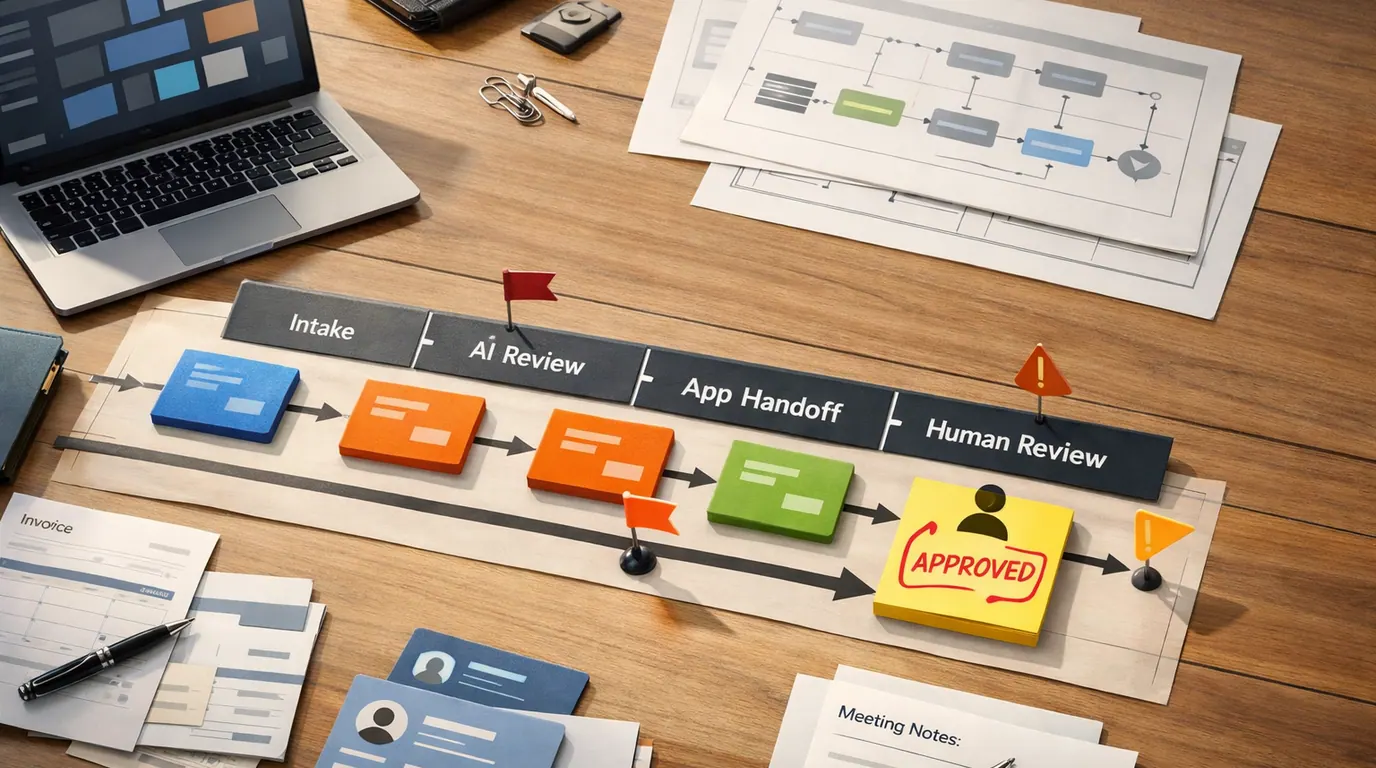
| Team workflow or automation planning | ChatGPT for process design, Perplexity for research, Gemini for Google work | Workflow map, risks, handoff points, and prompt templates | Assign owners before automating. For rollouts, see [AI Workflow Automation](/blog/ai-workflow-automation/). |
These perplexity vs ChatGPT vs gemini examples show why “which is best” is too broad. Perplexity wins when source trail matters most. ChatGPT wins when you need a flexible thinking and drafting partner. Gemini wins when the work is already sitting inside Google’s surfaces.
A Practical Perplexity vs ChatGPT vs Gemini Workflow
Use this perplexity vs ChatGPT vs gemini workflow when the output matters enough to verify, but not enough to build a formal research process.
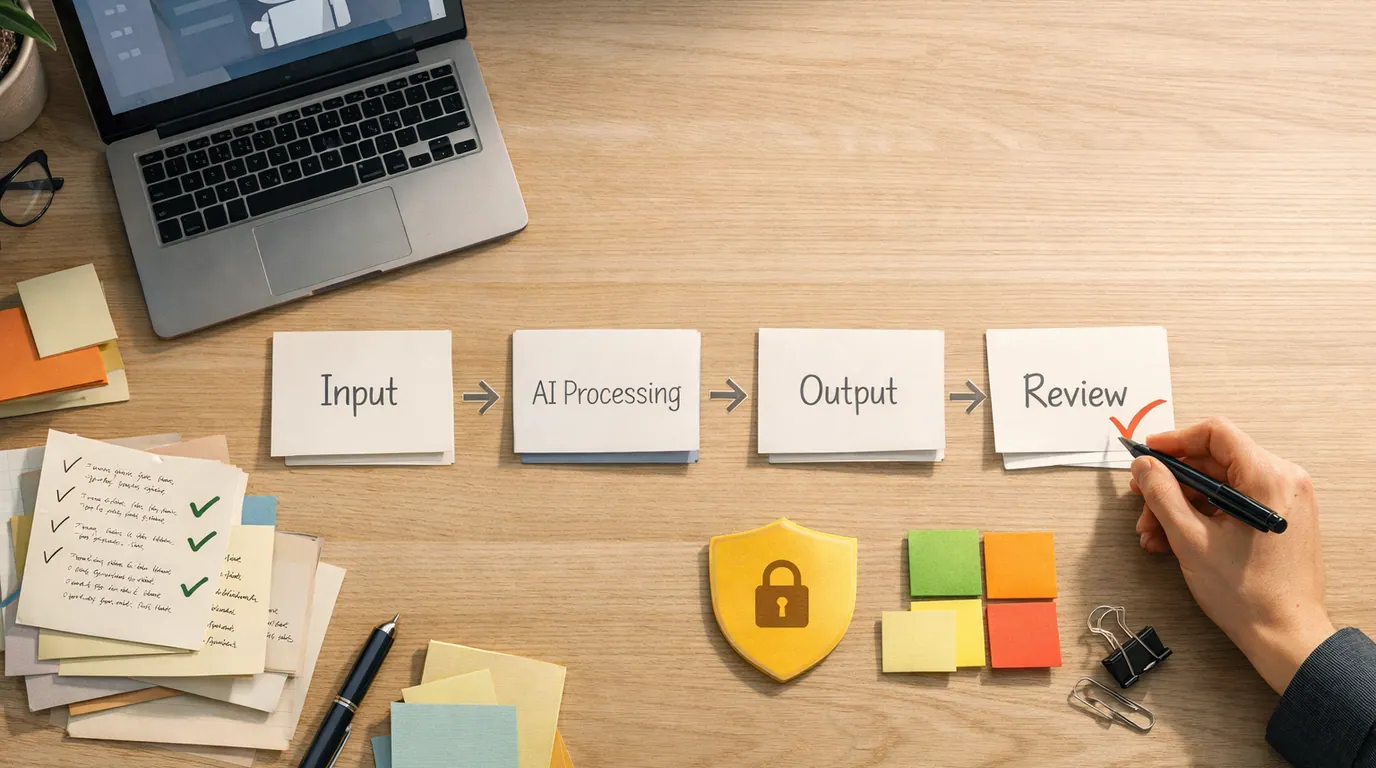
- Start in Perplexity for the map. Ask for the main facts, source categories, disagreements, official pages, and claims that need verification.
- Open the sources yourself. Save the official pages, primary documents, credible reviews, and source notes you trust. Remove links that do not support the claim.
- Move notes into ChatGPT for synthesis. Ask for a decision memo, comparison table, outline, risk list, or draft using only the notes you provide.
- Use Gemini where Google context matters. Bring the result into Docs, Sheets, Gmail, Drive, or Calendar workflows if that is where the next action happens.
- Run a final human review. Check facts, dates, numbers, privacy, tone, promises, and whether the conclusion is actually supported.
This stack is useful because each tool has a narrow job. Perplexity reduces source-search time. ChatGPT turns verified notes into structure. Gemini helps when the final work lives in Google apps. If one tool can do the whole job well enough, keep the stack smaller.
Pricing, Free-Plan, and Data Caveats
Do not choose from a table of old prices. AI plans change through new model access, usage caps, file limits, credits, team controls, browser or app features, and regional availability. A plan that is enough for casual prompts may be wrong for weekly research, team files, or client work.
Check these details before you pay:
- Usage limits: messages, searches, deep research runs, file uploads, image features, model access, and speed.
- Source handling: whether citations are visible, easy to open, and suitable for the kind of work you do.
- Data controls: prompt retention, model-training settings, admin controls, deletion, and whether your company or school approves the tool.
- Workspace fit: whether the tool works with Google files, standalone uploads, browser research, team spaces, or your existing app stack.
- Export and lock-in: whether you can move chats, source notes, documents, outputs, and shared work if you cancel.
- Overlap: whether you are paying three times for the same general assistant behavior.
If budget is the constraint, pair this comparison with Best Free AI Tools. Use free access to test whether the workflow fits, then upgrade only when a repeated job is blocked by limits, privacy needs, integrations, or collaboration.
Human Review Checklist
Use this perplexity vs ChatGPT vs gemini checklist before turning an AI answer into a decision, source, message, or workflow.
Works Well When
- The tool shows sources, assumptions, drafts, or steps you can inspect.
- You used real context rather than a vague one-line prompt.
- The output improves a specific recurring job.
- A person has checked facts, dates, numbers, source support, and tone.
- Sensitive data stayed inside approved systems and account types.
- You know where the result goes next: source note, draft, doc, email, task, or decision memo.
Watch Out For
- The answer includes statistics, legal claims, medical claims, financial advice, hiring decisions, or customer promises.
- The tool cites links you have not opened.
- The model summarizes private files, transcripts, client records, student data, or internal strategy without approval.
- The output sounds polished but does not show evidence.
- A paid plan is being justified by curiosity instead of a weekly bottleneck.
- The workflow would keep running if the AI made the wrong call.
The review bar should rise with the consequence. A travel idea, lunch plan, or study explanation needs light checking. A customer email, source citation, code change, hiring note, compliance answer, financial claim, or automation needs named human ownership.
Copyable Decision Template
Use this perplexity vs ChatGPT vs gemini template when you are deciding which tool to use for a real task.
Task I need help with:
[research, draft, code, plan, compare, summarize, Google doc/email/sheet work]

Where the source material lives:
[open web, official pages, PDFs, notes, Google Docs, Gmail, Sheets, Drive, code, meeting transcript]

What output I need:
[source list, brief, table, draft, checklist, memo, code explanation, project update]

First tool to try:
[Perplexity / ChatGPT / Gemini]

Why this tool:
[source trail / flexible drafting and analysis / Google workspace context]

Human review required:
[facts, sources, dates, numbers, privacy, tone, code, commitments, policy]

Upgrade only if:
[the free or current plan blocks a recurring weekly workflow]
Here is the short version:
- Pick Perplexity when your first verb is find, verify, compare sources, or get current context.
- Pick ChatGPT when your first verb is draft, think, plan, code, critique, structure, or iterate.
- Pick Gemini when your first verb happens inside Google apps: summarize a Doc, draft from Gmail context, analyze a Sheet, or work around Drive files.
The Bottom Line
Perplexity vs ChatGPT vs Gemini is not one contest. It is three product shapes that happen to answer many of the same prompts.
Use Perplexity when the value is sourced research and quick verification. Use ChatGPT when the value is flexible creation, analysis, coding help, and reusable prompting. Use Gemini when the value is Google-native work around docs, email, sheets, files, and multimodal context.
The safest buying rule is simple: choose the tool that improves one repeated workflow, verify the output before it matters, and avoid paying for overlapping assistants until each one has a distinct job.
Frequently asked questions
What is the main difference between Perplexity, ChatGPT, and Gemini?
Perplexity is built around search-style answers with source links, ChatGPT is a broad assistant for drafting, reasoning, coding, files, and creative work, and Gemini is strongest when your work already lives in Google's apps. The practical difference is not intelligence alone; it is where the answer comes from and where it goes next.
Which is better for research, Perplexity or ChatGPT?
Use Perplexity first when the job is to find current sources, map a topic, or check what different pages say. Use ChatGPT after that when you need synthesis, outlines, critique, or a draft based on sources you provide. For serious research, open the cited sources yourself and cite original material, not the AI answer.
Is Gemini better than ChatGPT if I use Google Workspace?
Gemini is often the first tool to compare when your daily work happens in Gmail, Docs, Sheets, Drive, Calendar, or other Google surfaces. ChatGPT can still be stronger as a standalone thinking and drafting workspace. The deciding question is whether Google context matters more than a flexible general assistant.
Which AI tool should I pay for first?
Pay for the tool that removes your most repeated bottleneck. Choose Perplexity if you research and verify sources every week, ChatGPT if you draft, analyze, code, or brainstorm across many tasks, and Gemini if Google app integration is central. Check current limits, data terms, and cancellation rules before upgrading.
Can Perplexity replace Google Search?
Perplexity can replace many quick search sessions when you need a sourced overview, but it should not replace opening primary sources. It can miss context, choose weak pages, or summarize a source too confidently. Use it to narrow the search space, then verify official pages, original documents, dates, and numbers.
Should I use all three tools together?
Using all three can be sensible if each has a clear role: Perplexity for source discovery, ChatGPT for synthesis and drafting, and Gemini for Google-native documents or files. It becomes wasteful when all three are used for the same vague prompt. Assign jobs first, then keep only the subscriptions that earn their place.