
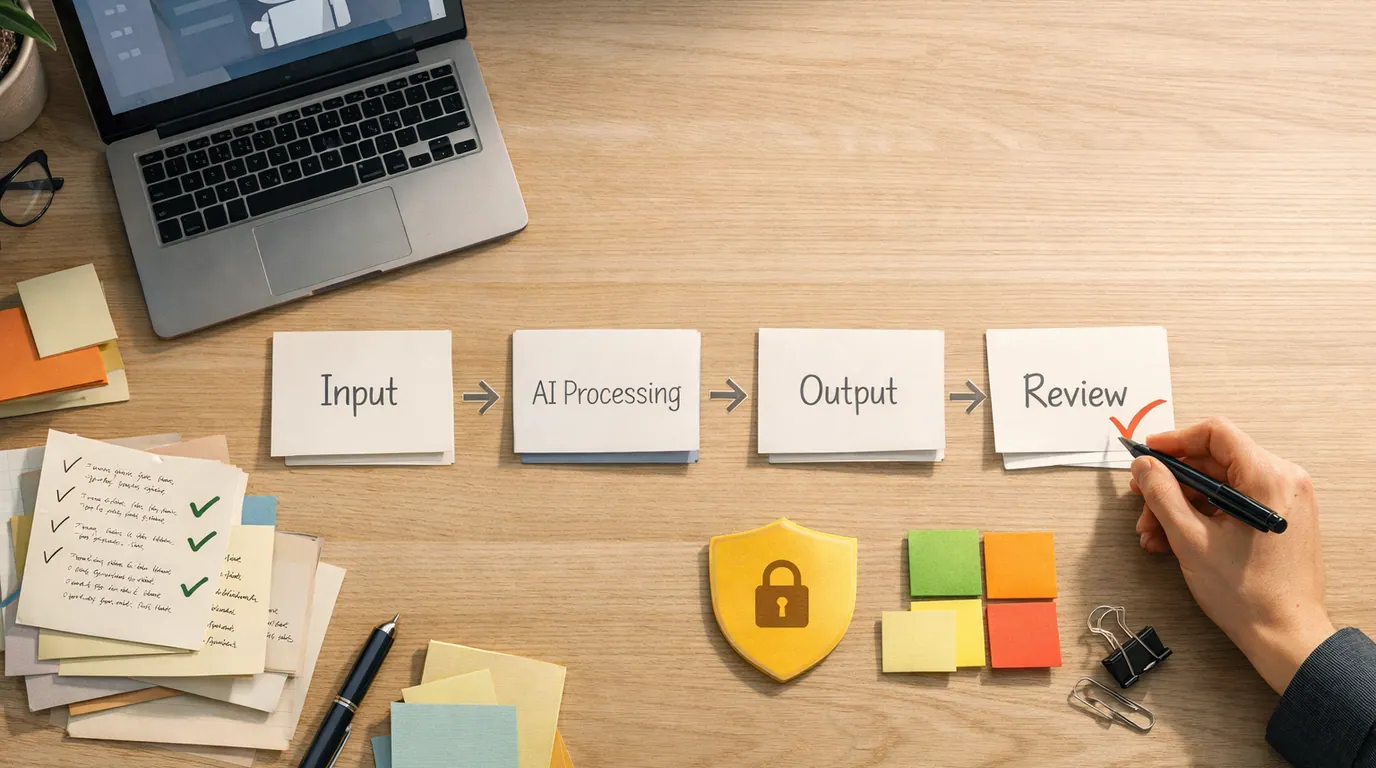
AI Guides
Beginner's Guide to Artificial Intelligence
A plain, practical introduction to artificial intelligence for beginners: what AI means, where it helps, what to avoid, and how to build a safe first workflow.
Step-by-step AI tutorials for people who want useful results without jargon.
A plain, practical introduction to artificial intelligence for beginners: what AI means, where it helps, what to avoid, and how to build a safe first workflow.
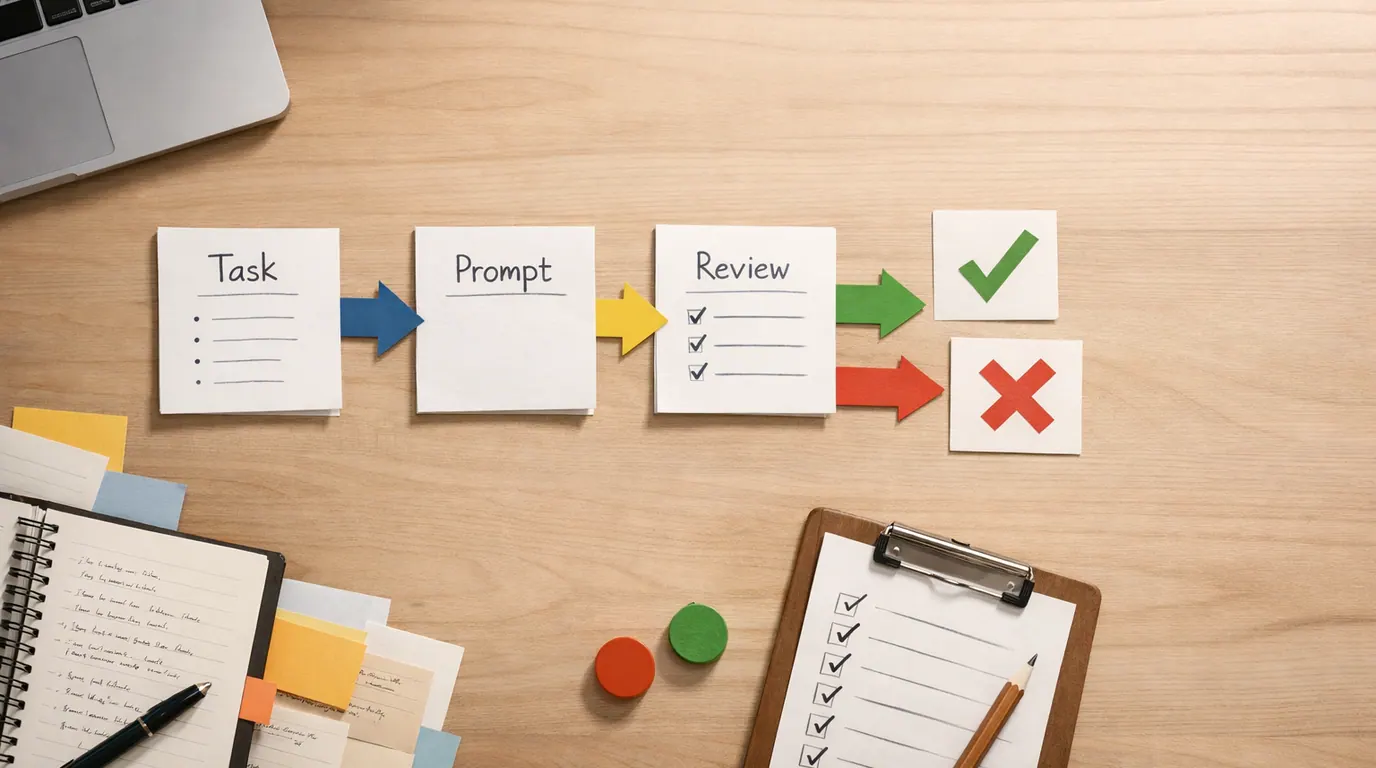
A practical guide to using AI for low-risk, reviewable work: choose a tool, brief it clearly, inspect the output, and build repeatable workflows.

A practical workflow for creating AI images: choose the right tool, write a stronger prompt, generate variants, refine the best draft, and review before publishing.
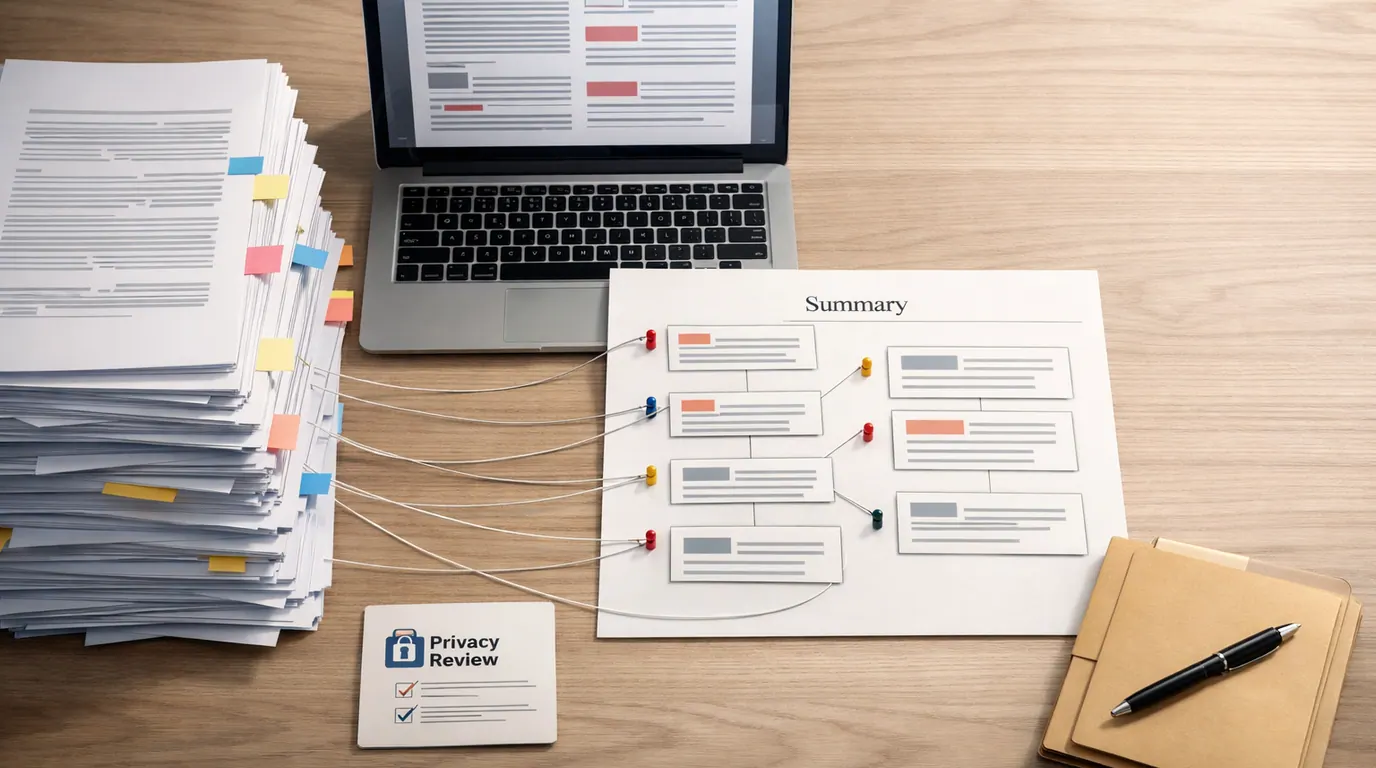
A practical PDF summarizing workflow: choose the right tool, ask better prompts, verify source pages, and know when human review matters.

A practical guide to using AI for marketing research, campaigns, copy, analytics, automation, and safer human review.

A practical guide to using AI for presentations with tool choices, prompts, examples, review checks, and a workflow that keeps the final message human.
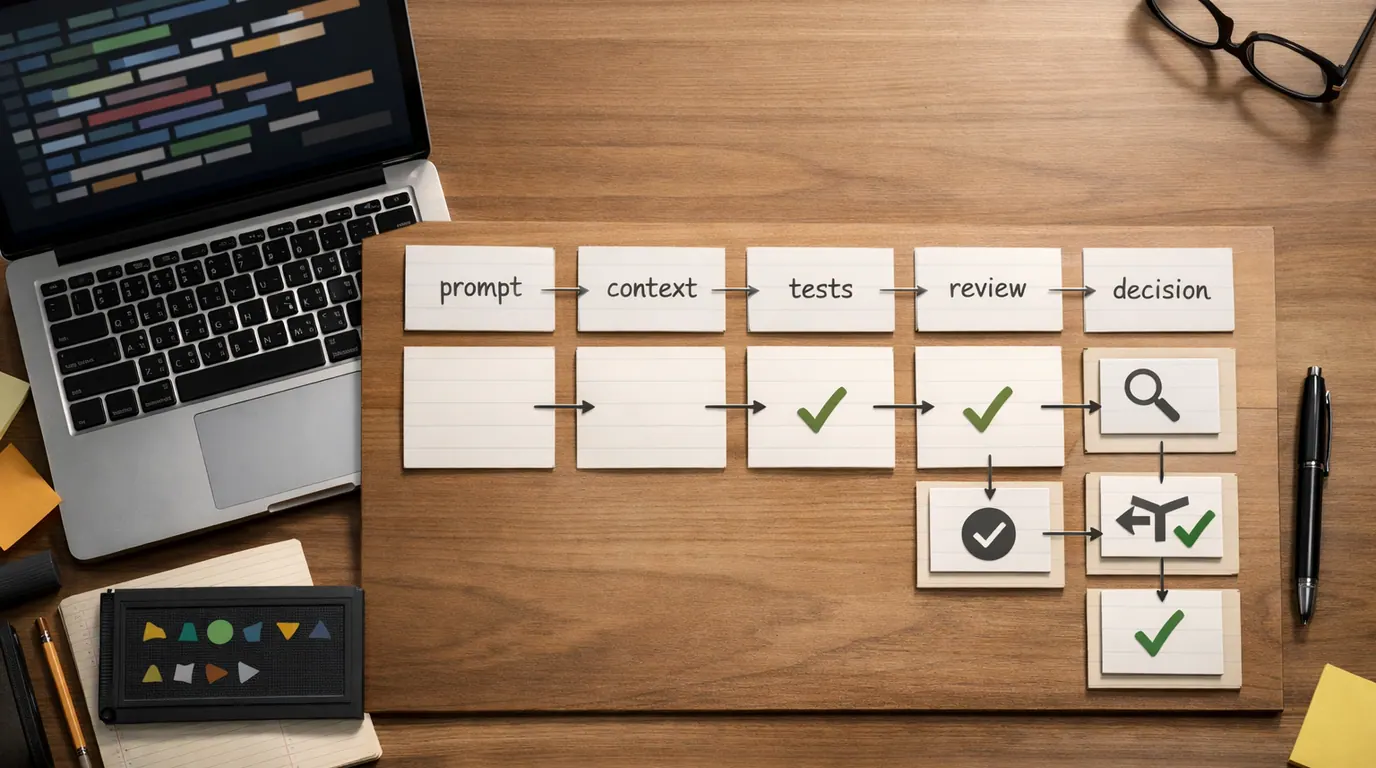
Use AI for coding as a reviewable pair-programming loop: define the task, provide context, ask for a small change, inspect the diff, run tests, and keep ownership.
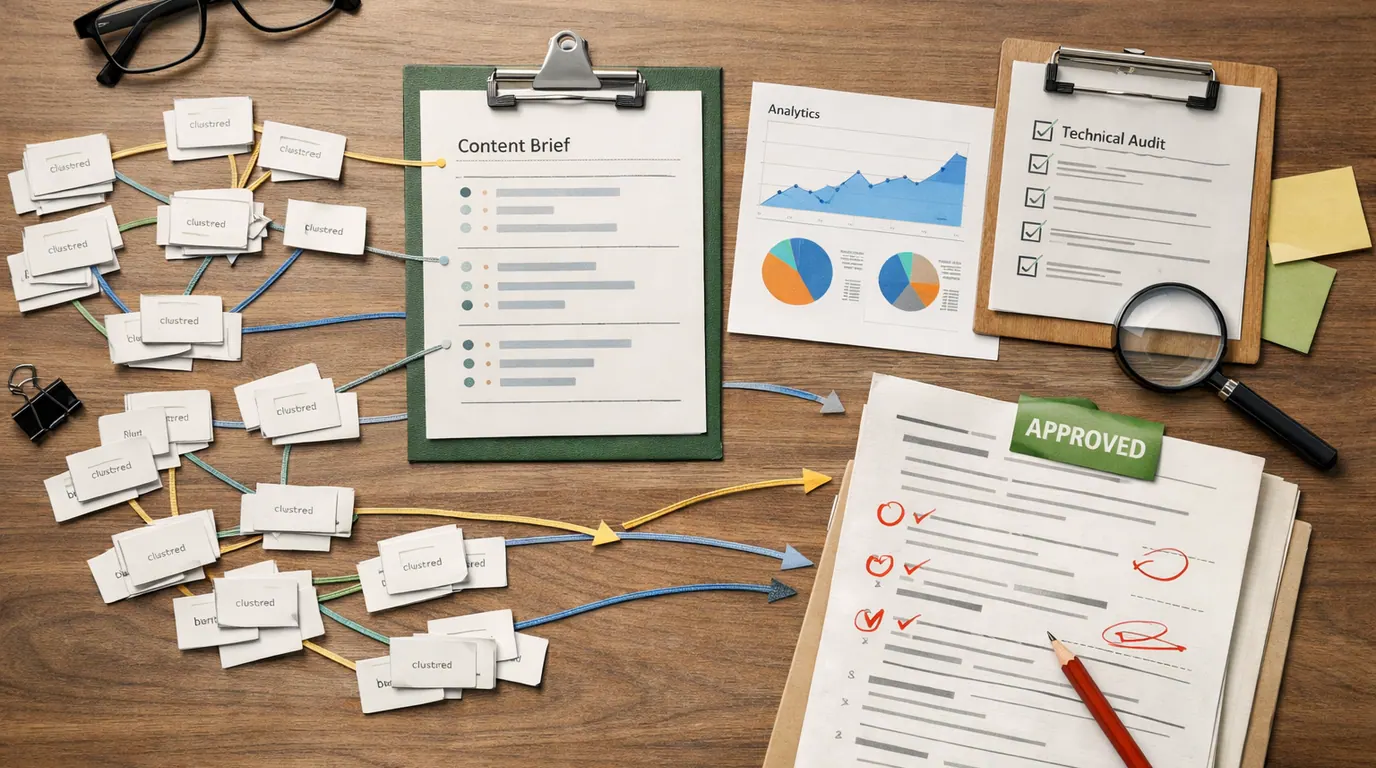
A practical guide to using AI for SEO research, briefs, optimization, technical checks, refreshes, reporting, and safe human review.

Use AI as a research assistant for questions, source discovery, summaries, synthesis, and review while keeping evidence, judgment, and final claims human.

Use AI as a study coach: turn notes into quizzes, explain mistakes, plan review sessions, and keep human judgment in the loop.

A practical guide to building an AI chatbot from scope and knowledge base to testing, launch, escalation, and continuous improvement.

A practical guide to using AI in Excel for formulas, cleanup, analysis, charts, automation drafts, and safer human review.

A practical guide to writing AI prompts that give models enough task, context, constraints, format, and review direction to produce useful output.