If you searched for “chatgpt alternatives,” the useful answer is not a list of every AI chatbot with a signup form. The useful answer is a map: which alternative is better for the job you actually need to do, what it is likely to be bad at, and what you still need to review yourself.
ChatGPT is still a strong general-purpose assistant. The reason to compare ChatGPT alternatives is not that one product has made it obsolete. It is that the category has split into sharper tools: long-context writing assistants, source-backed answer engines, workplace copilots, coding-focused models, local model runners, and AI workspaces that combine notes, email, and tasks.
The useful mental shift is to stop looking for one chatbot to beat another and start assigning assistants to jobs. Use this ChatGPT alternatives guide to pick a short list, test it against real work, and avoid paying for overlap you do not need.
Choose by job: writing, research, coding, Google work, Microsoft work, local privacy, or task execution.
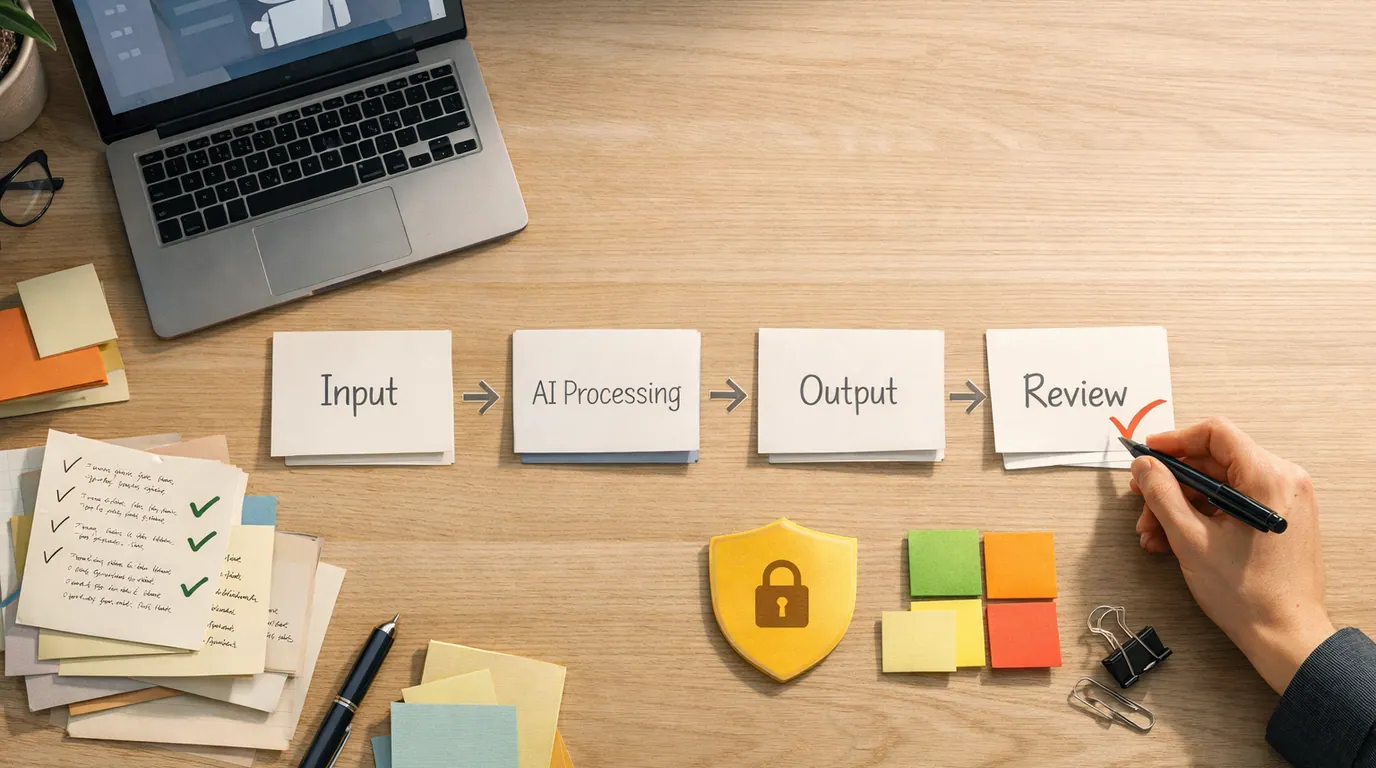
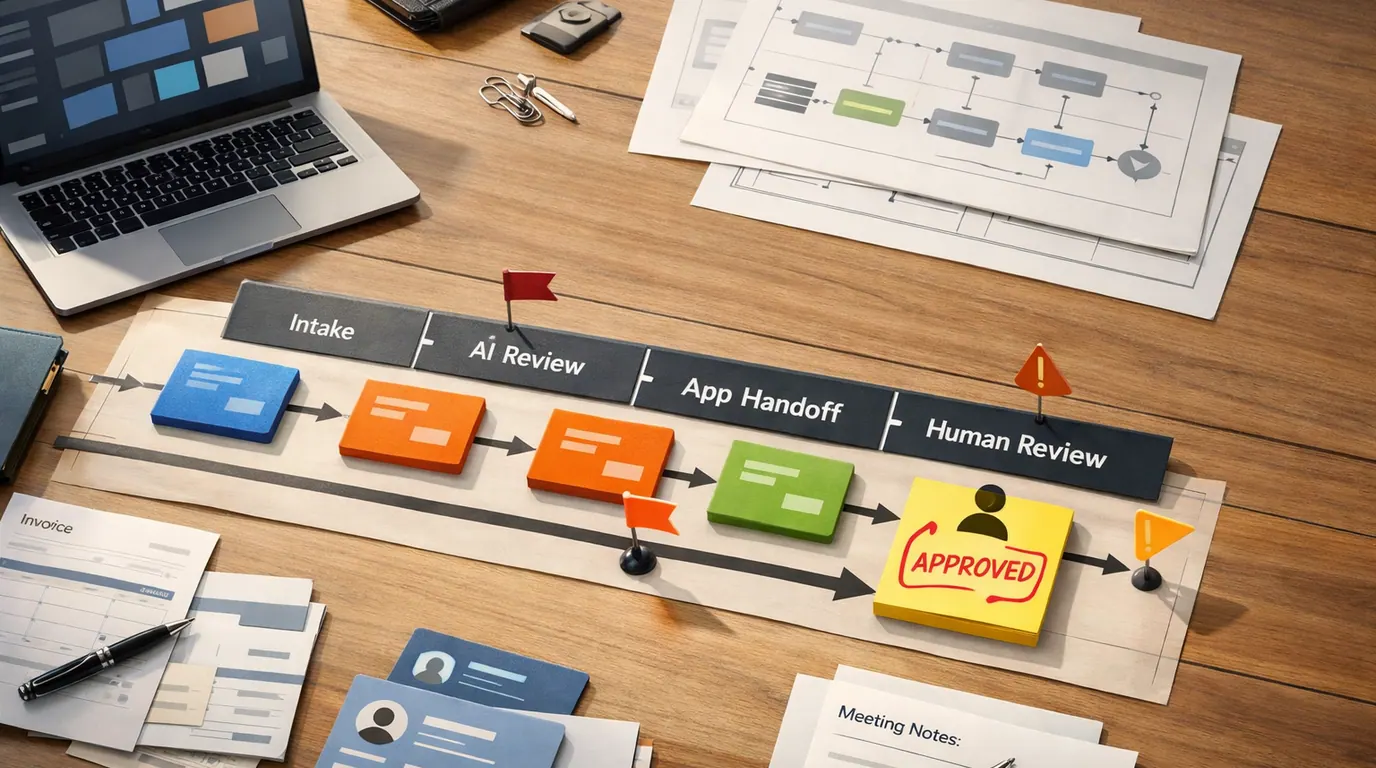
The right assistant gives you sources, edits, exports, or checkpoints you can inspect before acting.
Free tiers, file limits, model access, privacy settings, and team controls change often. Check before committing.
Start With the Job You Need to Replace
Before comparing tools, write one sentence that names the failure in your current workflow:
- Writing: You need stronger long-form drafting, document critique, tone control, or careful revision.
- Research: You need source links, current web context, and a faster way to orient around a topic.
- Workplace context: You want AI inside Gmail, Docs, Sheets, Outlook, Teams, Word, Excel, or internal files.
- Coding: You need technical explanations, low-cost model access, code review help, or an IDE assistant.
- Privacy: You want local or offline model use instead of sending sensitive prompts to a hosted chatbot.
- Task management: You want an assistant that connects notes, email, tasks, and calendar context.
That sentence is your ChatGPT alternatives strategy. Without it, every demo looks useful and every feature list looks urgent. With it, you can reject tools quickly because they fail the job you actually care about.
Quick Picks: Best ChatGPT Alternatives by Job
Use this shortlist as a starting point, not as a permanent ranking. The best ChatGPT alternatives in 2026 depend on workflow fit, data access, budget, and the review step you can maintain.
| Pick | Best for | Why it fits | Limit | Pricing/free-plan note |
|---|---|---|---|---|
| Claude | Long-form writing, careful reasoning, document review, structured analysis | It is commonly compared with ChatGPT for thoughtful writing, long context, and staying on track through complex prompts. | It can still be overcautious, wrong, or too polished. Review facts, citations, calculations, and any final claim. | Free and paid access can vary by region, model, file limits, and team plan. Check current Anthropic pricing before switching. |
| Gemini | Google users, multimodal prompts, Drive/Docs/Gmail/Sheets workflows | It is the natural first alternative when your work already lives in the Google ecosystem. | It is strongest when Google context matters. It may not be the best fit for Microsoft-heavy teams or source-critical research. | Free, paid, Workspace, and advanced Google AI access can change. Check current plan limits and data settings. |
| Perplexity | Research orientation, cited answers, current-topic exploration | It behaves more like an answer engine than a blank chatbot, which helps when you need source trails. | A citation is not a guarantee. Open the sources, check dates, and verify claims before using the answer. | Free and paid limits can affect search depth, model access, file use, and advanced research features. Check current terms. |
| Microsoft Copilot | Microsoft 365 users in Outlook, Word, Excel, PowerPoint, Teams, SharePoint, and OneDrive | It fits work where the value comes from being close to company files, meetings, email, and spreadsheets. | Output quality depends on permissions, source hygiene, and admin setup. Sensitive work still needs a named reviewer. | Access depends on Microsoft 365 eligibility, Copilot packaging, and current business pricing. |
| DeepSeek | Cost-sensitive technical teams, coding help, open-weight evaluation, API experiments | It is often considered when teams want strong technical performance or lower-cost model options. | Security, deployment, data handling, and output reliability need careful review before business use. | Pricing, hosted access, and open-weight deployment options can change. Check the vendor and deployment path directly. |
| Jan or LM Studio | Local AI, offline experimentation, privacy-minded personal workflows | They let you run open models locally, which can reduce reliance on a hosted chatbot for certain private or offline tasks. | Local models require hardware, setup, model choice, and more patience. They may lag hosted tools on convenience and quality. | The apps may be free, but hardware, model hosting, and support costs still matter. Check current compatibility. |
| Saner.AI or Notion-style AI workspaces | Notes, tasks, email, calendar context, and personal knowledge management | These tools are relevant when the problem is not chat quality but scattered personal context and follow-through. | They can create lock-in if your notes, tasks, and AI memory become hard to export or audit. | Check current plan limits, integrations, exports, and privacy terms before moving core work into the workspace. |
| Grok, Meta AI, DeepAI, EaseMate, or Viro AI | Casual Q&A, model variety, social-native assistants, or lightweight experimentation | They can be useful when you want a second opinion, a different model style, or quick access outside your main work stack. | Do not use casual wrappers for confidential data or final authority. Verify model access, privacy, and source quality. | Free access, model menus, ads, quotas, and paid tiers vary widely. Check current vendor details before relying on them. |
If your real need is one flexible assistant with data analysis, custom workflows, memory, and broad app support, keeping ChatGPT may still be the right answer. A replacement should beat it on a specific axis, not merely feel different for a week.
How We Chose the Shortlist
This article is based on the supplied research packet, common SERP patterns for “ChatGPT alternatives,” and a workflow-first editorial review of the products named in those sources. It is not a hands-on benchmark, live pricing audit, security certification, or claim that every tool was tested under the same prompts.
The evaluation criteria were practical:
- Workflow fit: Does the tool solve a specific job better than a general chatbot?
- Output quality signal: Does it support long context, source links, workplace context, coding help, local control, or task follow-through?
- Reviewability: Can a person inspect sources, files, edits, assumptions, and next actions?
- Integration fit: Does it live where the work already happens, or does it create another inbox?
- Commercial risk: Are free-plan limits, paid tiers, exports, admin controls, and cancellation risk clear enough?
- Data boundary: Is the tool appropriate for confidential prompts, company files, student work, client data, or private research?
That last point matters because many ChatGPT alternatives look similar until you ask where your data goes, what the tool stores, whether it trains on inputs, how exports work, and who is responsible when the output is wrong.
Product Recommendations by Use Case
Claude for long writing, documents, and careful reasoning
Claude is one of the first tools to compare when ChatGPT feels too terse, too jumpy, or too casual for long work. It is a strong candidate for drafting a strategy memo, reviewing a long document, turning messy notes into a coherent outline, or critiquing a piece of writing without immediately rewriting everything.
Best for: writers, analysts, product managers, operators, students, and teams that need structured reasoning over longer inputs.
Everyday example: paste a product brief, customer notes, and a rough launch plan. Ask Claude to identify the weakest assumptions, missing evidence, stakeholder risks, and the five edits that would make the plan easier to approve.
Human review point: polished prose can hide weak evidence. Check numbers, sources, legal language, customer promises, and anything that could become a decision.
Gemini for Google-centered work
Gemini is the obvious alternative to evaluate if your daily work is already inside Google apps. The value is not just a chat window. It is proximity to Docs, Gmail, Sheets, Drive, Calendar, and visual inputs when those features are available in your plan.
Best for: Google Workspace users, students, marketers, operations teams, and people who need AI close to documents and email.
Everyday example: ask Gemini to turn a Gmail thread and a Google Doc draft into a short project update, then use Sheets context to check whether the numbers in the update match the source table.
Human review point: check source permissions and exact details. Workspace context is useful only when files are current, shared correctly, and reviewed by the person responsible for the output.
Perplexity for source-linked research
Perplexity is less of a pure chatbot and more of a research answer engine. It is useful when your first need is orientation: what exists, what sources discuss it, where the disagreement is, and which links you should open next.
Best for: market scans, quick research briefs, current-topic exploration, source discovery, and checking claims from another AI answer.
Everyday example: ask Perplexity for the main positions on a new regulation, then open the cited official pages, industry analysis, and primary documents before you summarize the issue for your team.
Human review point: do not confuse source-linked output with verified truth. Links can be weak, outdated, misread, or not actually support the answer.
Microsoft Copilot for Microsoft 365 workplaces
Microsoft Copilot is the most natural comparison when your organization works in Outlook, Teams, Word, Excel, PowerPoint, SharePoint, and OneDrive. It can be a better replacement than another chatbot when the hard part is using company context without copying everything into a separate tool.
Best for: Microsoft-heavy teams that need help with meetings, documents, spreadsheets, slides, and internal knowledge.
Everyday example: after a Teams meeting, Copilot can help draft a recap, pull action items, and prepare a Word outline. A manager then confirms decisions, owners, deadlines, and any sensitive details before sharing.
Human review point: Copilot inherits the quality and permission structure of your workspace. Bad file hygiene, stale docs, or broad permissions can produce bad or risky answers.
DeepSeek for technical and cost-sensitive evaluation
DeepSeek belongs on the shortlist for technical users and teams comparing model cost, coding performance, and open-weight options. It may be more relevant to developers, AI builders, and teams with the ability to evaluate models than to a casual user who only wants a friendly chat app.
Best for: coding help, API experimentation, model comparison, and cost-sensitive technical workflows.
Everyday example: a developer can compare DeepSeek against a current ChatGPT workflow for explaining an error, proposing a small refactor, and writing tests for a narrow module.
Human review point: run the code, review dependencies, check security implications, and avoid sending proprietary source or secrets to any tool without approval.
Jan or LM Studio for local AI and offline control
Jan and LM Studio are not simple one-click replacements for everyone. Their value is different: they let you run open models locally, which can be attractive when privacy, offline access, experimentation, or control matters more than convenience.
Best for: technical users, privacy-minded writers, researchers, and teams prototyping local model workflows.
Everyday example: use a local model to summarize private notes or draft internal ideas without sending the prompt to a hosted chatbot, then move only approved excerpts into your normal workflow.
Human review point: local does not automatically mean safe or accurate. You still need hardware, model selection, update discipline, output checks, and a plan for what happens when the model is weaker than hosted alternatives.
Saner.AI and workspace assistants for personal operating systems
Some ChatGPT alternatives are not trying to win the pure chatbot contest. They are trying to become a workspace where notes, tasks, email, calendar events, and AI assistance live together. Saner.AI is one example from the research packet; Notion-style AI workspaces fit the same decision pattern.
Best for: people whose main problem is fragmented context rather than model quality.
Everyday example: instead of asking a chatbot to summarize one meeting, a workspace assistant can help connect notes, pending tasks, follow-up emails, and calendar commitments around the same project.
Human review point: test export and portability before moving your personal operating system. A helpful AI workspace can become expensive friction if you cannot leave cleanly.
Compare ChatGPT Alternatives Use Cases
The most reliable ChatGPT alternatives use cases are narrow enough to test in one afternoon. Pick three real tasks from the past week and compare the outputs side by side.
| Use case | Compare first | Good output | Human review point |
|---|---|---|---|
| Long document review | Claude, ChatGPT, Gemini | Clear summary, risks, missing evidence, action list, and suggested structure | Check whether the model preserved nuance and did not invent facts. |
| Current research | Perplexity, Gemini, ChatGPT with browsing if available | Source-linked overview, key disagreements, follow-up questions, and original links | Open primary sources and check dates before quoting. |
| Google workflow | Gemini, ChatGPT, Claude | Drafts and summaries that use Docs, Gmail, Sheets, or Drive context where allowed | Verify file permissions, numbers, names, and source freshness. |
| Microsoft workflow | Microsoft Copilot, ChatGPT, Claude | Meeting recap, email draft, spreadsheet explanation, slide outline, or document summary | Confirm commitments, owners, deadlines, and private details. |
| Coding help | DeepSeek, Claude, ChatGPT, GitHub Copilot-style tools | Small fix, explanation, tests, and clear assumptions | Run tests and review security, performance, and licensing risks. |
| Local privacy | Jan, LM Studio, open models | Useful draft or summary without a hosted prompt | Check model quality, hardware constraints, and whether local storage is protected. |
| Personal task follow-through | Saner.AI, Notion AI, Microsoft Copilot, Gemini | Connected notes, tasks, emails, reminders, and project context | Review exports, lock-in, and whether tasks remain under your control. |
These ChatGPT alternatives examples are deliberately ordinary. A tool that wins on a clean demo prompt may lose when it has to handle your messy meeting notes, half-finished spreadsheet, odd customer request, or confidential document boundary.
A Repeatable ChatGPT Alternatives Workflow
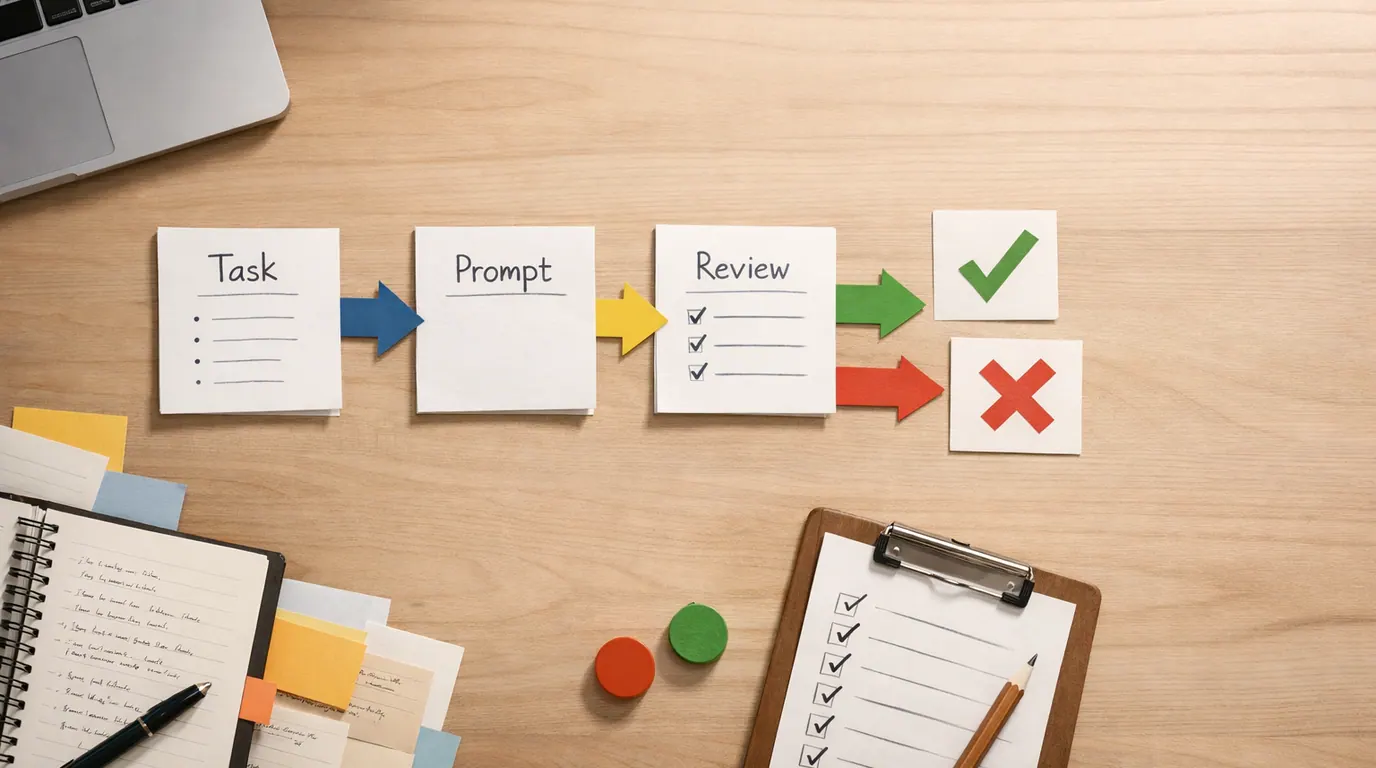
Use this ChatGPT alternatives workflow before you cancel, upgrade, or move a team to a new assistant.
- Name the job. Write the exact work you want to improve: summarize sales calls, revise long drafts, research with citations, debug code, or manage tasks.
- Choose two alternatives. Compare only two or three tools at a time. More than that creates noise.
- Use real inputs. Test with a real email thread, document, data table, source list, or code snippet you are allowed to use.
- Score the output. Look at accuracy, clarity, edit distance, source traceability, speed, export quality, and what still needed human review.
- Check commercial details. Review free-plan limits, paid tier shape, privacy terms, team controls, cancellation, and whether your work can be exported.
- Make a narrow decision. Adopt the tool for one workflow first. Do not move every task at once.
For prompt-heavy workflows, the structure in our guide to writing better AI prompts will make the comparison fairer. If one tool gets a vague prompt and another gets a well-structured brief, the test is not useful.
ChatGPT Alternatives Template for Testing
Copy this ChatGPT alternatives template into each tool when you compare them. Replace the bracketed fields with your real work.
I am comparing AI assistants for this recurring job: [job].

Context:
- Audience or user: [who the output is for]
- Source material: [paste or attach allowed material]
- Constraints: [tone, length, privacy, format, policy, deadline]
- What a bad answer would do: [failure to avoid]

Task:
Produce [specific output] in [format].

Review:
Before finalizing, list assumptions, missing information, claims that need verification, and the parts a human should review.
Run the same prompt in each tool, then compare the result with this simple scoring table:
| Score area | What to look for | Pass signal |
|---|---|---|
| Accuracy | Facts, names, numbers, dates, calculations, and code behavior | You can verify the output without rewriting the whole answer. |
| Use of context | Whether the tool used the provided files, notes, thread, or table correctly | It references the right material and avoids unsupported additions. |
| Edit distance | How much you had to change before using the result | The first answer is close enough to review, not restart. |
| Review trail | Sources, assumptions, uncertainty, and human-check notes | You can see what to verify before acting. |
| Workflow fit | Where the output goes next: doc, email, ticket, codebase, spreadsheet, or task manager | The handoff is natural and does not create extra admin work. |
| Commercial fit | Free limits, paid plan, exports, privacy, admin controls, and lock-in | The tool is affordable and governable for the way you will actually use it. |
This is where a small test often beats a long review article. A tool only has to win your job, under your constraints, with your review standard.
Free Plan, Pricing, and Privacy Caveats
Pricing pages and free plans change quickly, so treat any roundup as a starting point. Before you commit to a ChatGPT alternative, check the current vendor page for:
- Message and model limits: free plans may cap advanced models, long context, file uploads, image inputs, or research features.
- File and data rules: workplace files, student records, client data, medical details, legal language, and private code need stricter boundaries.
- Training and retention: check whether prompts, files, and outputs can be used for training, stored, reviewed, or deleted.
- Exports: make sure you can move chats, notes, tasks, automations, or knowledge bases if you leave.
- Team controls: businesses need admin settings, permissions, SSO, auditability, and policy enforcement more than a prettier chat box.
- Cancellation risk: a tool that feels cheap for one seat can become expensive when every workflow depends on it.
For business use, pair tool selection with the rollout habits in our guide to AI productivity tools for teams. For sensitive prompts, use the data-boundary checks in AI privacy concerns before uploading private material.
ChatGPT Alternatives Checklist
Use this ChatGPT alternatives checklist when you are close to a decision:
- Job clarity: We know the exact workflow this tool improves.
- Shortlist discipline: We compared no more than three tools on the same real inputs.
- Output review: We know who checks facts, sources, code, tone, customer promises, and private data.
- Plan fit: We checked current pricing, free-plan limits, credits, file caps, and renewal rules.
- Data fit: We checked training use, retention, deletion, admin controls, and allowed data types.
- Export fit: We confirmed how to retrieve chats, notes, files, tasks, or workspace data.
- Fallback: We know what happens when the tool is unavailable, rate-limited, or produces a weak answer.
If you cannot check these boxes, do not switch everything yet. Keep the current assistant, test a smaller workflow, or use the alternative as a second opinion until the operational risks are clearer.
The Bottom Line
The best answer to “what should I use instead of ChatGPT?” is usually “for which job?” Claude, Gemini, Perplexity, Microsoft Copilot, DeepSeek, Jan, LM Studio, Saner.AI, Grok, Meta AI, and lightweight wrappers can all make sense, but they do not solve the same problem.
Choose one recurring workflow, test two alternatives with real inputs, keep the human review step visible, and check current pricing and privacy terms before moving serious work. That approach will beat a generic top-20 list almost every time.
Frequently asked questions
What are the best ChatGPT alternatives?
The best ChatGPT alternatives depend on the job. Claude is a strong pick for long writing and document reasoning, Gemini fits Google Workspace users, Perplexity is useful for research with source links, Microsoft Copilot fits Microsoft 365 work, and Jan or LM Studio fit local or offline experimentation.
Is there one ChatGPT alternative that replaces everything?
Usually no. ChatGPT is still a strong general assistant, while alternatives tend to win on narrower jobs such as document analysis, cited research, workplace integration, local control, or cost-sensitive technical workflows. Most people get better results from a small stack than from one replacement.
Which ChatGPT alternative is best for research?
Perplexity is often the first alternative to compare when the job is research orientation because it emphasizes source-linked answers. Still, source links are not proof by themselves. Open the cited pages, verify claims, and use original documents as the source of record for serious work.
Which ChatGPT alternative is best for work documents?
Claude, Gemini, and Microsoft Copilot are the first tools to compare for work documents. Claude is commonly chosen for long-form writing and careful analysis, Gemini fits teams already using Google apps, and Copilot fits Microsoft 365 environments where files, meetings, email, and chat already live.
Are free ChatGPT alternatives good enough?
Free plans can be enough for light drafting, brainstorming, casual Q&A, and testing whether a workflow fits. They are usually weaker for heavy file use, admin controls, privacy terms, higher limits, team workspaces, or advanced models. Check current limits before building a routine around a free plan.
What should I check before switching from ChatGPT?
Check the tool against your real weekly work: input limits, file handling, source traceability, export options, privacy terms, integrations, price shape, and how much human review remains. A tool that feels impressive in a demo can be a bad replacement if it breaks your actual workflow.